AI Startup Teaches Japanese Robots to Learn Like Humans
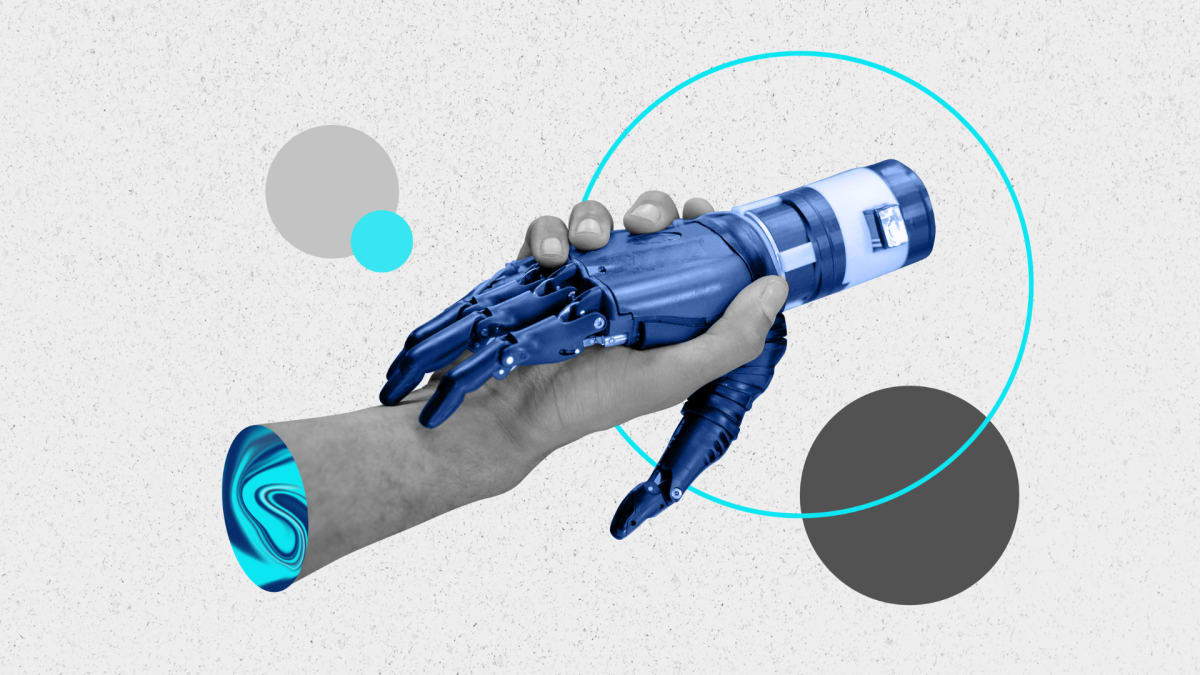
A small Silicon Valley AI company is revolutionizing Japan's massive robotics industry by teaching factory robots to learn new skills just by watching demonstrations. Soon, workers could simply tell a robot "make coffee" and watch it figure out how on its own.
Imagine telling a factory robot to make you a coffee, and watching it teach itself how to do it without any programming.
That future is closer than you think, thanks to Integral AI, a scrappy 15-person startup taking on one of the world's biggest robotics industries. The company, founded by former Google researchers Jad Tarifi and Nima Asgharbeygi, has quietly been working in Japan since 2021 to transform how industrial robots learn.
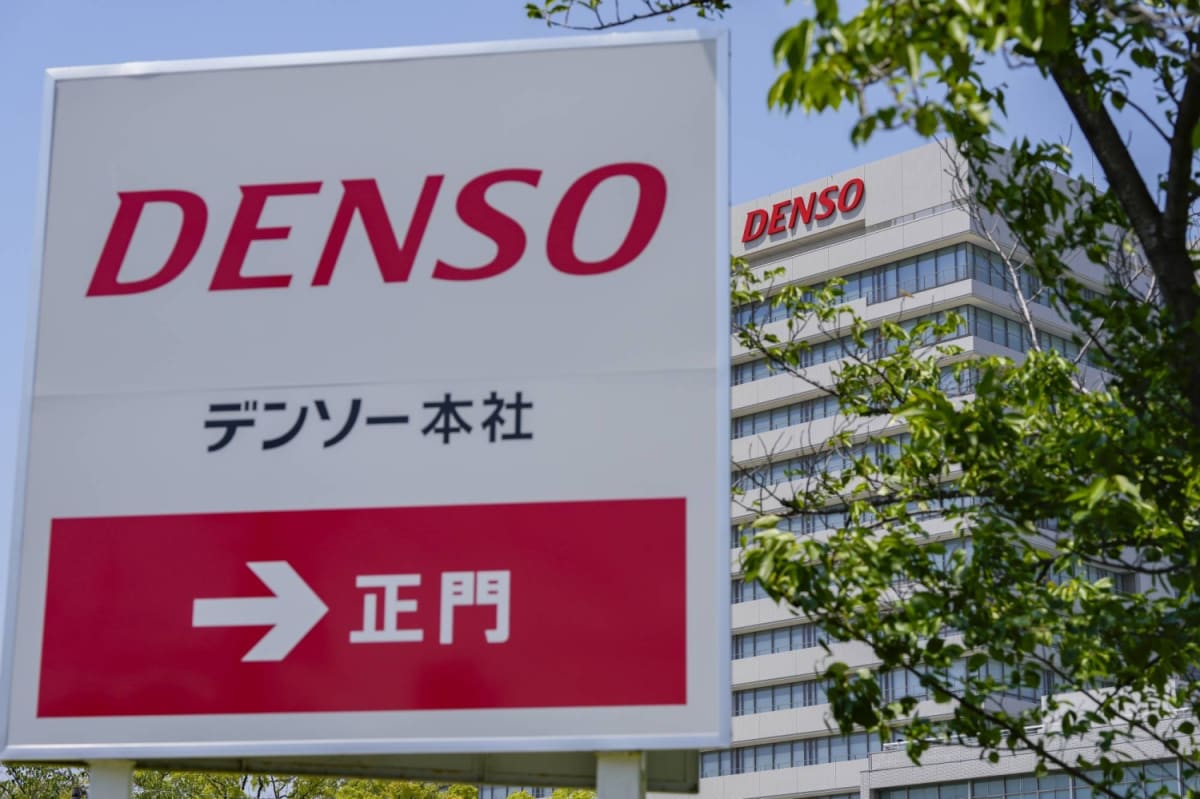
Instead of requiring complex programming for every single task, Integral AI's technology lets robots learn by watching human demonstrations. The company has already partnered with Denso, a major auto parts maker, to prove the concept works in real factories.
Now the startup is in talks with some of Japan's biggest names: Toyota, Sony, Honda, Nissan, and Mitsui Chemicals. Each company is exploring how this AI breakthrough could revolutionize their manufacturing processes.
The technology represents a fundamental shift in robotics. Traditional industrial robots are powerful but inflexible, requiring engineers to meticulously program every movement. Integral AI's approach makes robots more like human apprentices, capable of observing, learning, and adapting.
The next leap is even more ambitious. Tarifi envisions workers giving robots simple language commands like "make a coffee," then stepping back while the robot figures out the steps independently. No programming, no detailed instructions, just natural communication.
Japan is the perfect testing ground for this innovation. The country produces nearly half the world's industrial robots and faces a severe labor shortage as its population ages. Smart, adaptable robots could help Japanese manufacturers maintain their competitive edge while addressing workforce challenges.
The Ripple Effect
The implications stretch far beyond factory floors. If robots can truly learn from observation and language, they could tackle countless tasks currently requiring human flexibility: sorting recycling, assisting elderly people, or handling disaster response. Manufacturing is just the beginning.
What started as a five-year experiment by two former Google researchers could reshape how humans and machines work together across industries worldwide.
This technology proves that the future of AI isn't about replacing human workers, but about creating tools that learn from us and adapt to our needs.
More Images
Based on reporting by Japan Times
This story was written by BrightWire based on verified news reports.
Spread the positivity!
Share this good news with someone who needs it