AI System Publishes First Peer-Reviewed Paper in Nature
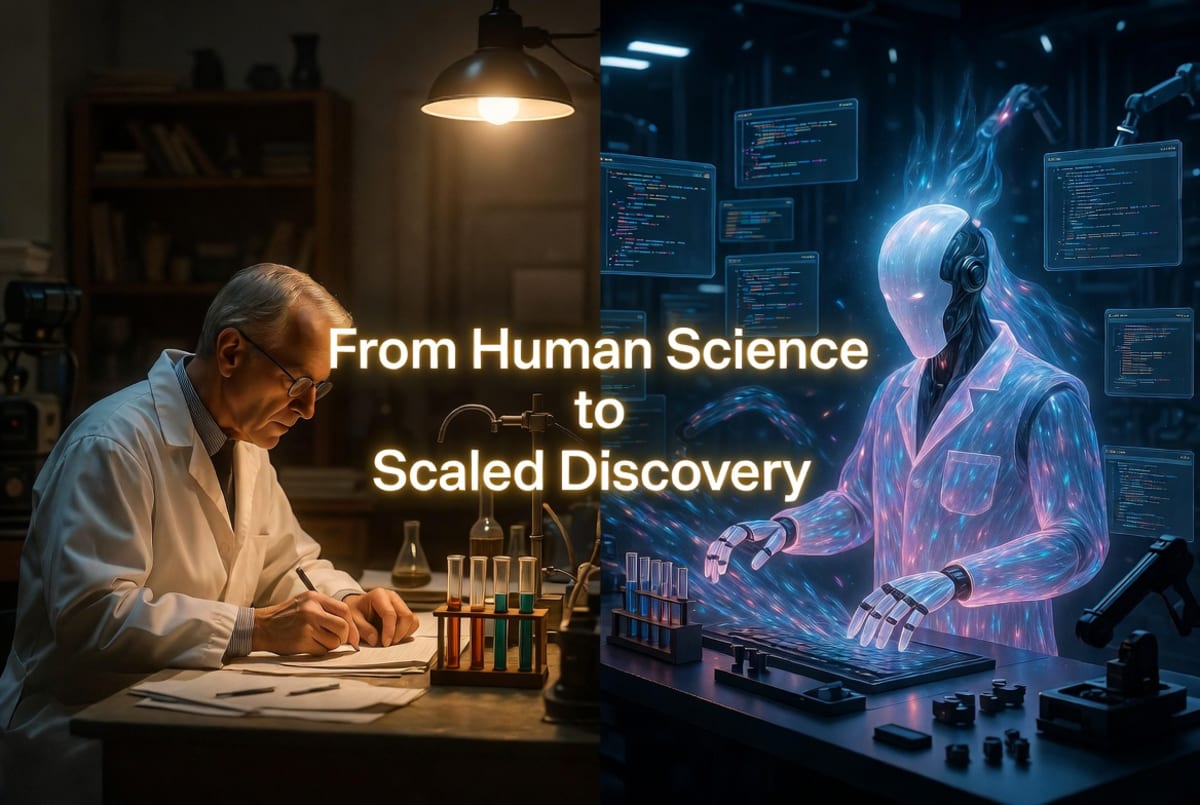
An artificial intelligence called The AI Scientist just became the first AI to write and publish a complete research paper that passed human peer review in Nature. The breakthrough suggests scientific discovery could soon scale as fast as software development.
A machine just proved it can do what scientists spend years training to accomplish.
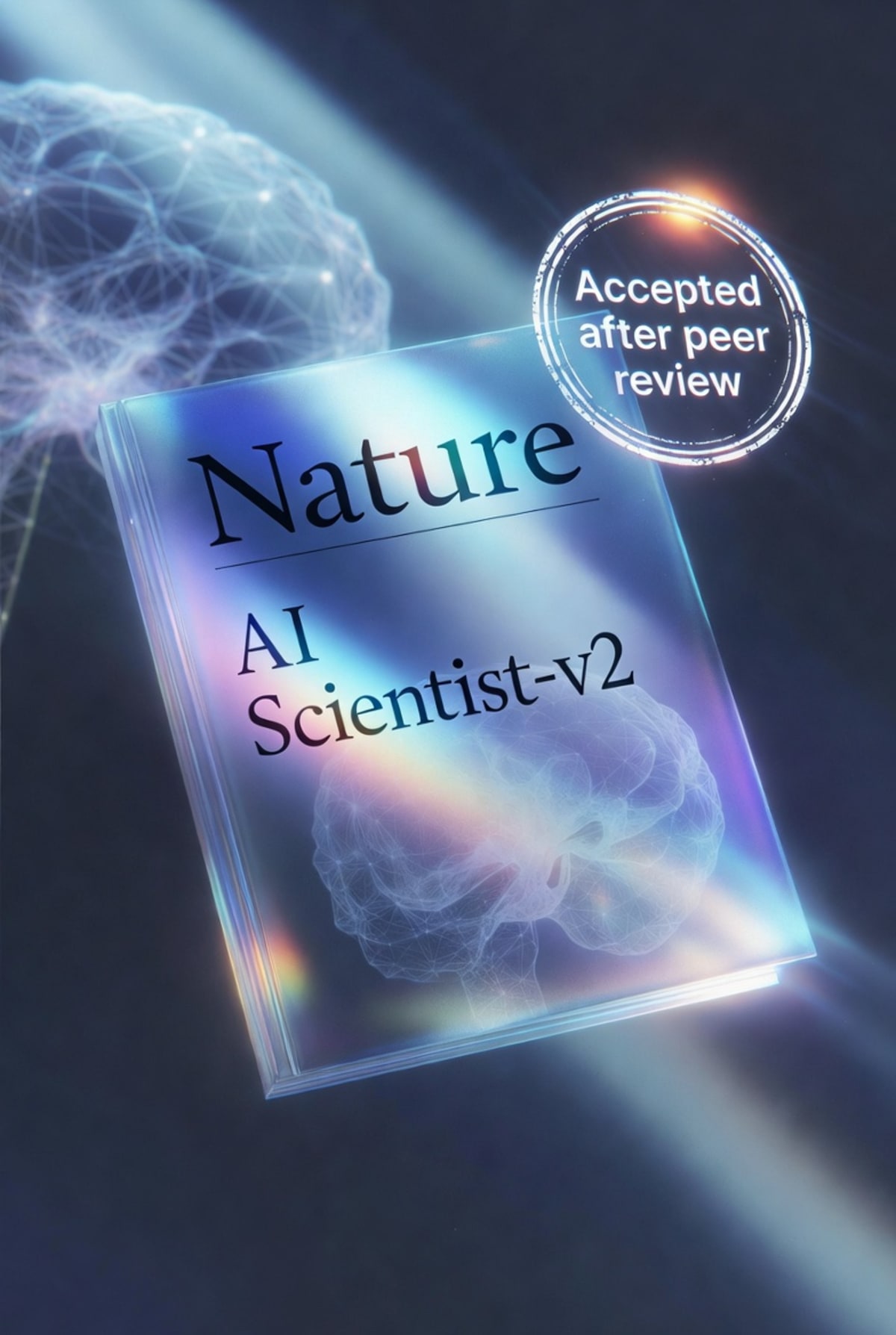
The AI Scientist, a fully autonomous research system, has published its breakthrough work in Nature, one of the world's most prestigious scientific journals. This isn't just another paper about artificial intelligence. It's a paper written entirely by AI, complete with original experiments, data analysis, and formal citations.
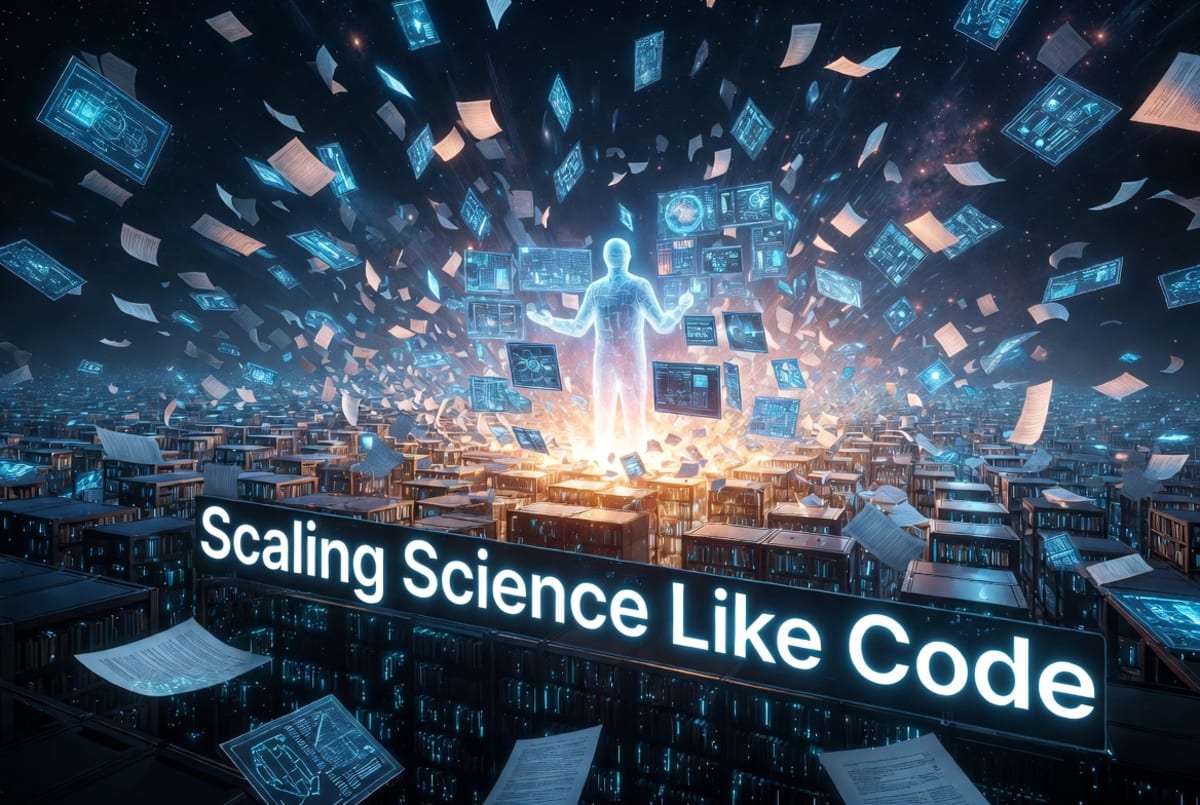
The system handles every step of the scientific process without human intervention. It scans existing research to identify gaps in knowledge, then proposes new hypotheses worth testing. From there, it writes Python code to run experiments, collects the data, visualizes the results, and compiles everything into a formal academic paper.
The second version, AI Scientist-v2, recently produced its first paper that successfully cleared human peer review. That milestone marks the moment when AI moved from research assistant to primary investigator.
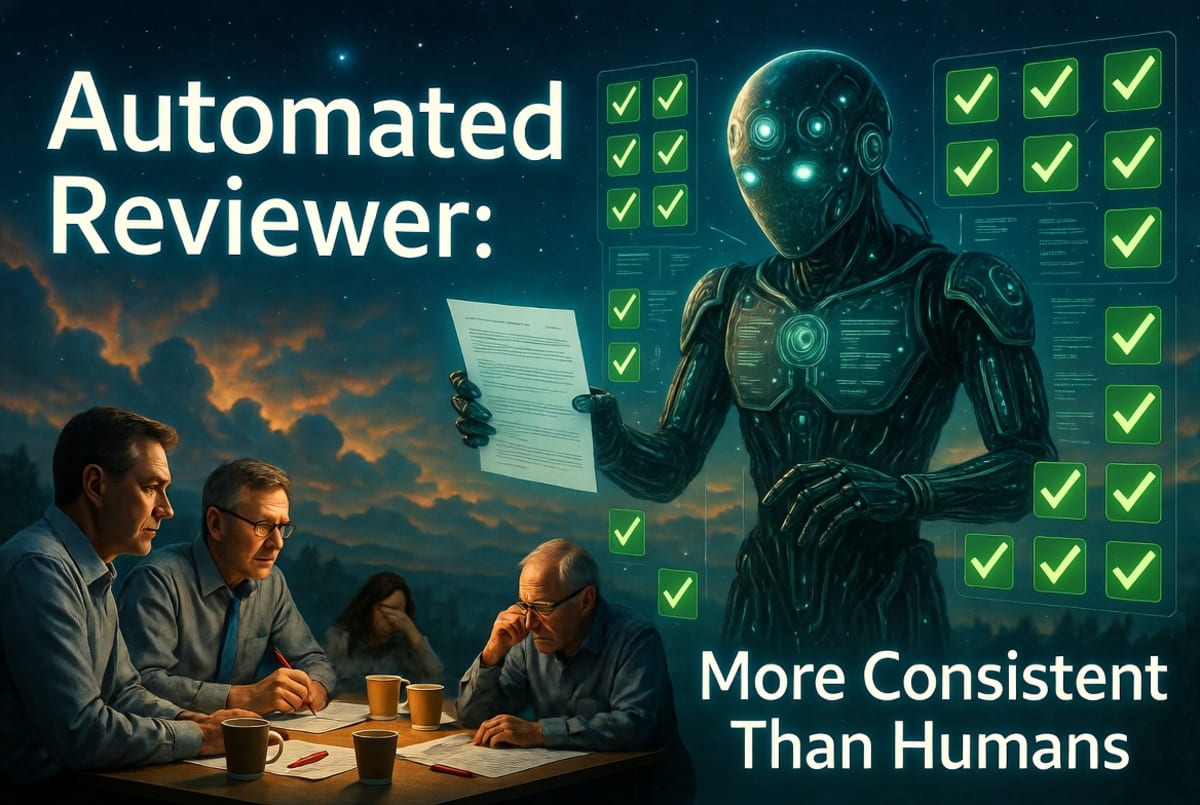
Perhaps even more surprising is what happened next. The research team built an Automated Reviewer to evaluate scientific papers with the same rigor as human experts. Early tests show the AI reviewer matches the accuracy of top-tier human scientists while avoiding the inconsistencies caused by fatigue and personal bias.
The Nature publication revealed something the researchers call a Direct Scaling Law for Science. The pattern is simple but powerful: better AI models automatically produce higher quality research. As computing power grows and costs drop, scientific output improves without additional human effort.
The Ripple Effect
This breakthrough changes the fundamental economics of discovery. Research that once required months of lab work and thousands of dollars can now be completed in hours. Universities and institutions working with limited budgets could suddenly access research capabilities previously available only to elite labs.
The real transformation isn't about replacing scientists. It's about removing bottlenecks. Human researchers can focus on the creative questions and strategic decisions while AI handles the grinding work of literature reviews, data processing, and documentation. Labs could explore ten times as many hypotheses in the same timeframe.
We're approaching a future where the challenge isn't conducting experiments but keeping up with the flood of new knowledge being generated. That's a problem worth having.
The scientific method just learned to scale at the speed of software, and the discoveries ahead could arrive faster than anyone expected.
More Images
Based on reporting by Google: scientific discovery
This story was written by BrightWire based on verified news reports.
Spread the positivity!
Share this good news with someone who needs it