AI System Spots Welding Flaws, Cuts Factory Waste
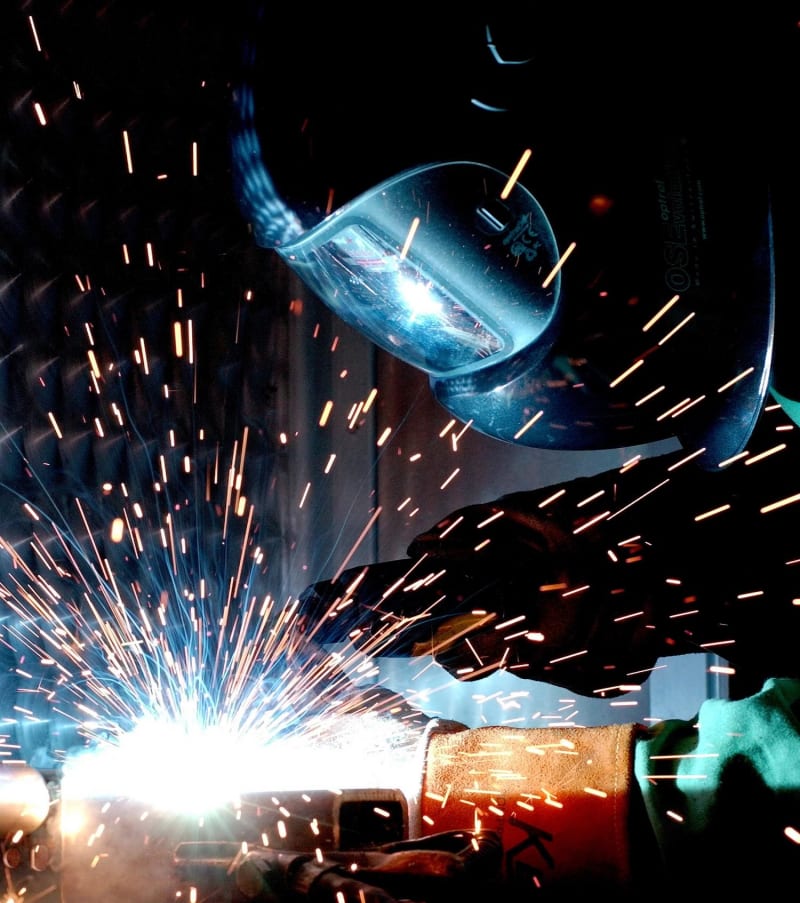
Swedish researchers created an AI inspection system that catches welding defects in real time, helping factories slash waste and boost quality. The technology could transform manufacturing by acting as "smart eyes" on production lines.
Imagine a factory where machines spot tiny flaws in metal welds faster than any human inspector ever could, saving materials and energy in the process.
Researchers Rajesh Patil and Professor Magnus Löfstrand at Örebro University in Sweden have developed an AI system that does exactly that. Their technology detects and classifies welding defects in engine exhaust components with impressive speed and precision.
The system combines two types of artificial intelligence to identify problems in welded metals that would take human inspectors hours to spot. It works in real time on factory floors, catching defects immediately so faulty parts can be removed before they waste more materials.
"Our AI acts as smart eyes on the factory floor, identifying welding defects in real time, improving product quality, reducing waste, and enabling faster, more sustainable production," says Löfstrand. The technology can inspect both similar and dissimilar metal combinations, making it versatile across different manufacturing needs.
The innovation addresses a real problem in modern manufacturing. Welding defects lead to rejected parts, wasted materials, and higher energy consumption when factories have to remake components.
The Ripple Effect
This breakthrough extends beyond just catching mistakes. By reducing material waste and energy consumption, the system aligns with Sweden's sustainability goals and could help other countries meet their environmental targets too.
The autonomous system adapts to various industrial welding applications, meaning factories making different products could all benefit. Patil envisions manufacturing plants where machines rapidly identify defects and minimize waste without constant human oversight.
The research team is now seeking partnerships with automotive manufacturers locally and internationally to test the system in real production environments. Their findings appear in the Journal of Failure Analysis and Prevention.
"This is a major step toward smart factories where AI works side by side with people to improve efficiency and sustainability," says Patil. The collaboration between artificial intelligence and human workers represents a future where technology enhances rather than replaces jobs.
The system could soon make manufacturing cleaner, faster, and more reliable for industries around the world.
More Images


Based on reporting by Phys.org - Technology
This story was written by BrightWire based on verified news reports.
Spread the positivity!
Share this good news with someone who needs it