Luxury Brand Turns Leather Scraps Into Sold-Out Charms
A handbag company built a cult following by transforming factory waste into adorable collectible charms. What started as scraps now drives customers back season after season.
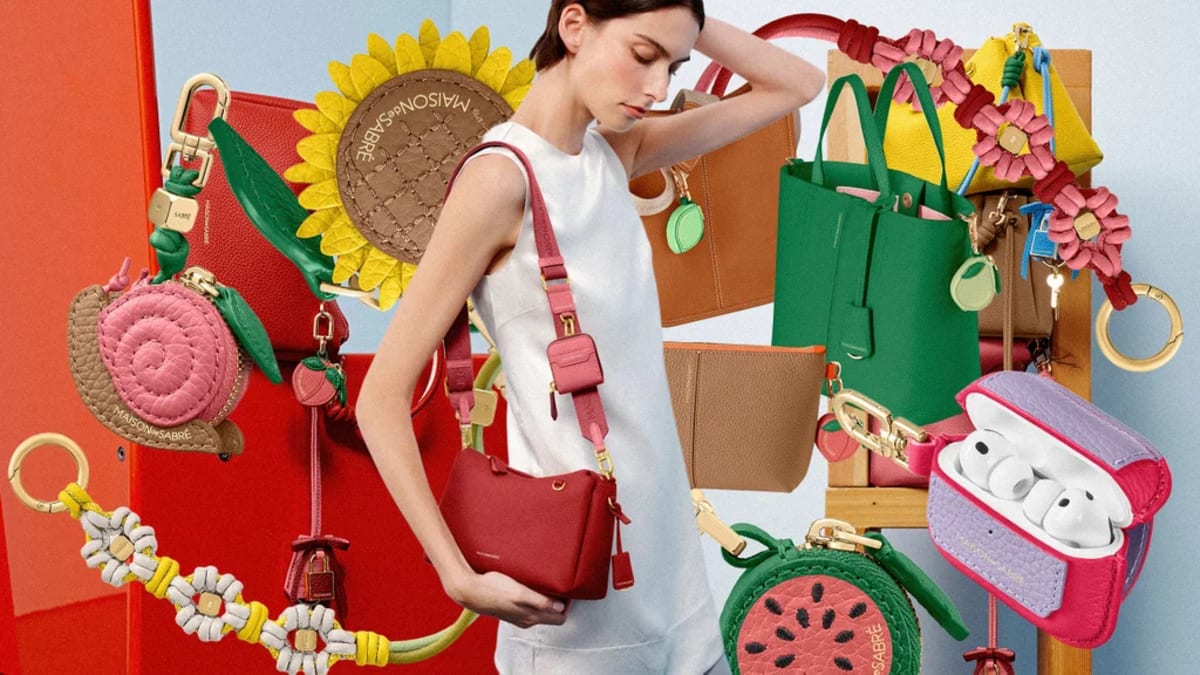
When leather scraps pile up on a cutting room floor, most luxury brands toss them in the trash. Maison de Sabré turned them into tiny bumblebees, cherry blossoms, and Pikachu charms that sell out in hours.
The Australian brand spent nearly a decade perfecting colorful leather handbags. But their latest obsession isn't bags at all. Customers now race to collect limited-edition "Sabrémojis," intricate leather charms made entirely from leftover materials.
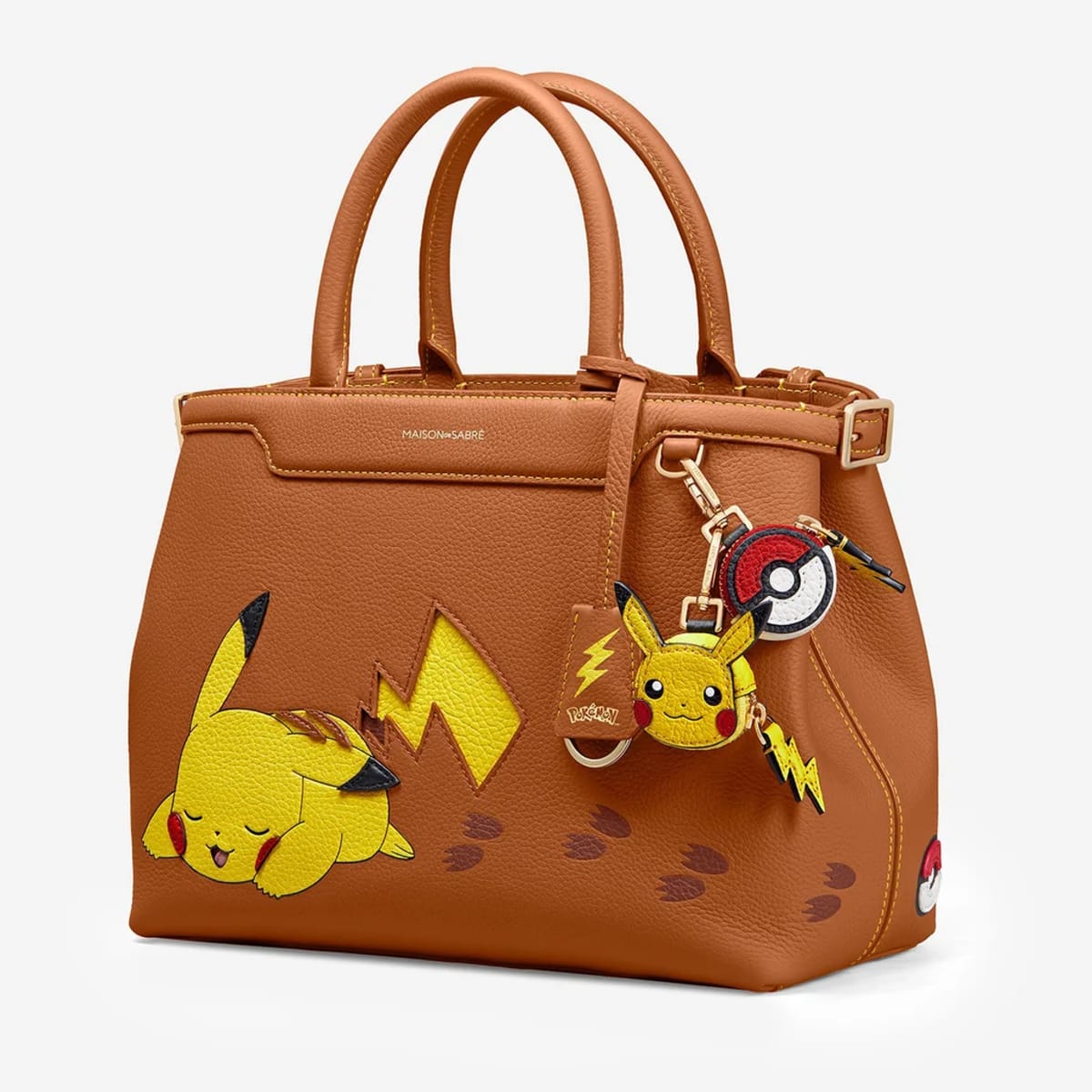
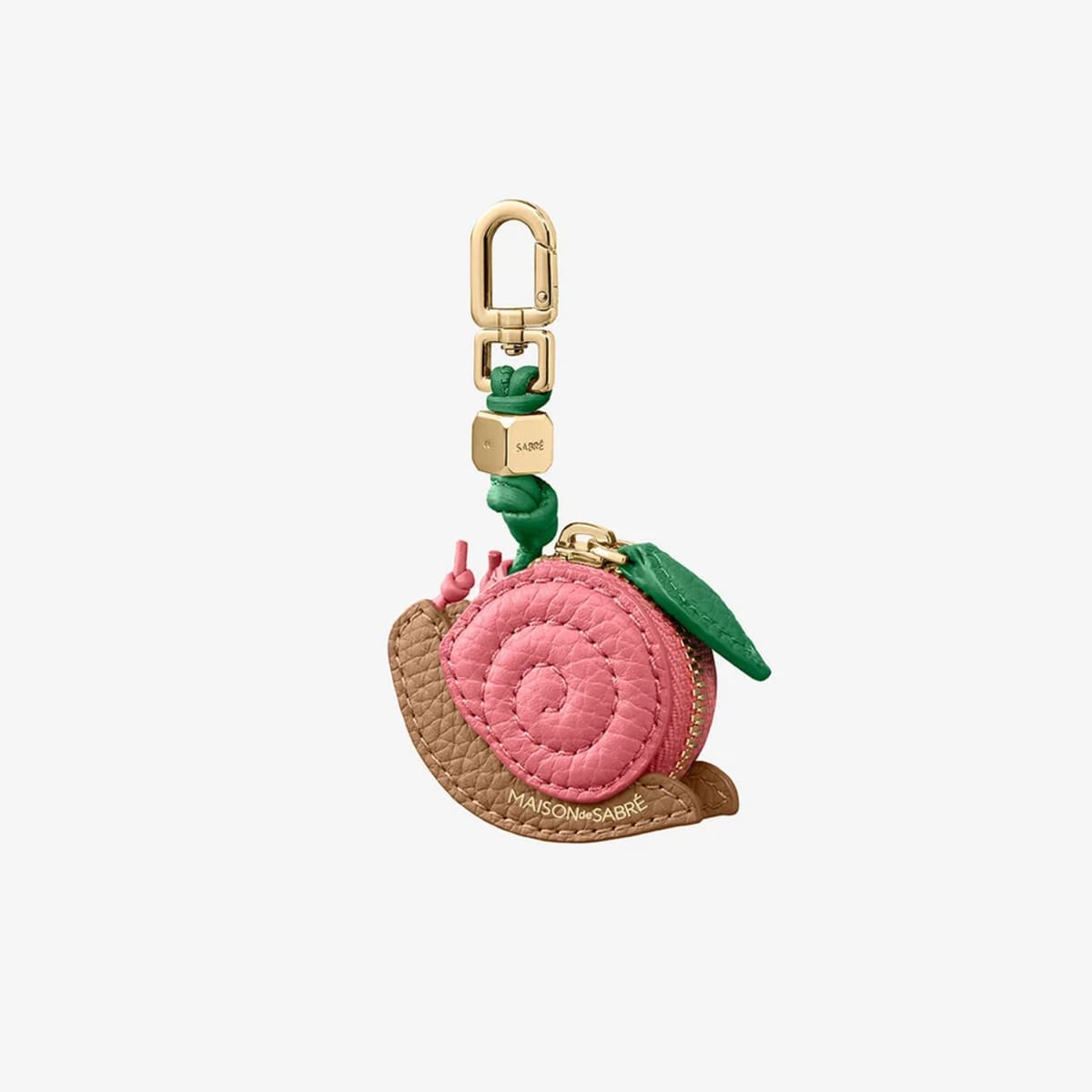
Each charm starts as an offcut from larger bag production. A scrap of yellow leather becomes a sunflower. Jewel-toned pieces transform into snap peas, carrots, and mushrooms. Recent collections featured garden themes complete with snails, while a Pokémon 30th anniversary Pikachu capsule vanished from shelves almost immediately.
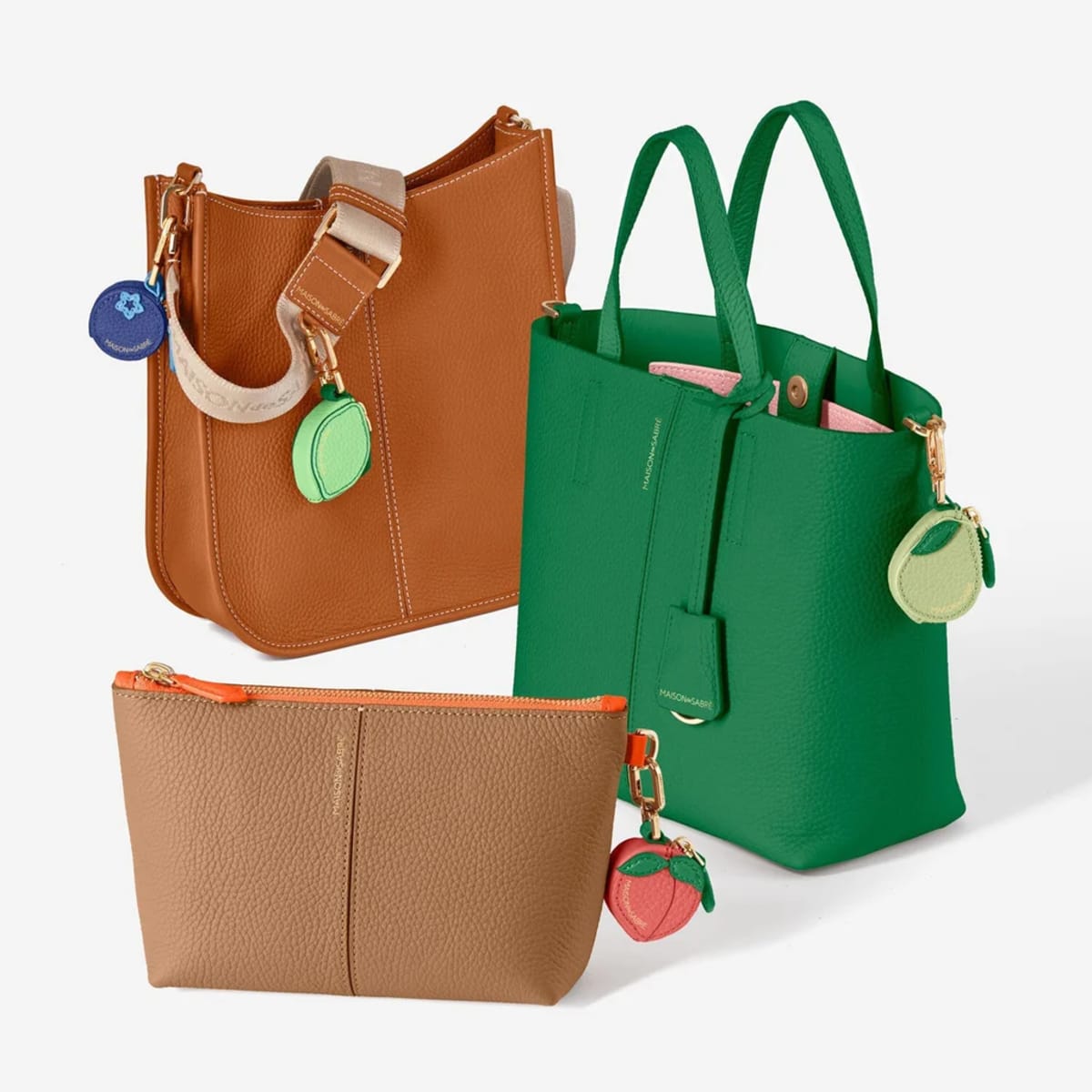
The genius is in the limitation. Because charms depend on available scraps, each collection is truly finite. This waste prevention strategy doesn't just reduce landfill contributions. It creates collectibles that give classic bags fresh personality each season.
Brothers Omar and Zane Sabré founded the company after a wake-up call when their father got sick. Both trained as dentists in New Zealand, but realized they wanted work that felt meaningful. They invested $40,000 of savings into a luxury brand bearing their family name.
Their first product, leather-wrapped iPhone cases, generated $2 million in year one. Six years of direct-to-consumer sales built enough momentum to land in Nordstrom, Bloomingdale's, Saks, and Le Bon Marché Paris. The U.S. now represents their largest market.
The brothers designed their newest bag, the Soft Trio crossbody, specifically to showcase the charms. Strategic clasps and hooks turn accessories into the main event. It reflects their belief that modern luxury needs to balance beauty with sustainability and joy.
Their pricing philosophy challenges traditional luxury too. Maison de Sabré bags cost $400 to $800, roughly one-third the price of comparable Louis Vuitton or Chanel pieces, using similar-quality leather.
The Ripple Effect
What Maison de Sabré proves is that sustainability doesn't require sacrifice. Young luxury consumers want gorgeous design and durability, but they also expect brands to respect resources and price fairly. By making waste beautiful and collectible, the brothers created a business model where environmental responsibility drives demand instead of limiting it.
Their charm strategy shows how one company's scraps can become another generation's treasure.
More Images

Based on reporting by Fast Company
This story was written by BrightWire based on verified news reports.
Spread the positivity!
Share this good news with someone who needs it

%2Ffile%2Fattachments%2Forphans%2FIMG_6399_134346.jpg)