AI Unlocks Hydrogen Fuel From Wastewater
Scientists just figured out how to turn wastewater into clean hydrogen fuel using artificial intelligence. The breakthrough could help us save drinking water while creating the fuel experts say will power our future.
What if the answer to cleaner energy was literally flowing down our drains? An international team of scientists just cracked the code on turning wastewater into green hydrogen fuel, and artificial intelligence made it possible.
Researchers from Spain, Vietnam, South Korea, India, and Taiwan joined forces to solve a puzzle that's been stumping scientists for years. They used machine learning to optimize a process called dark fermentation, where tiny microorganisms break down waste matter to produce hydrogen gas.
"Developing processes for the use and valorization of wastewater is necessary to improve the sustainability of water resources and protect the environment," says Professor Enrique Rodríguez Castellón from the University of Malaga, one of the study's authors. His team helped prove that AI can predict exactly how to make the process work better.
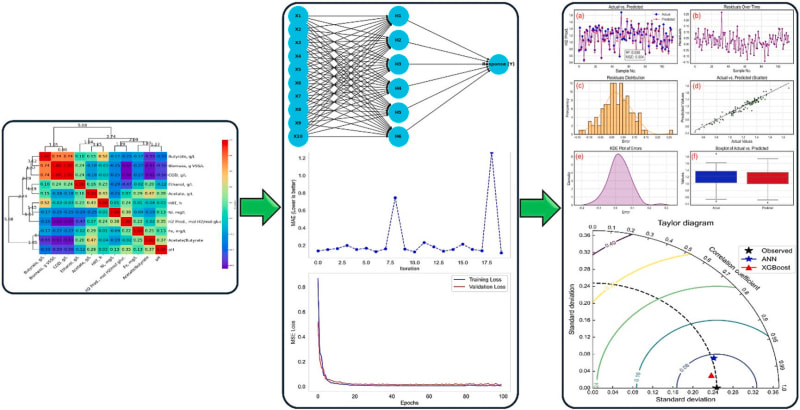
The technique has existed before, but it's been too unpredictable and expensive for real world use. The AI changes everything by learning patterns and creating models that tell scientists exactly what conditions produce the most hydrogen with the least waste.
Think of it like having a super smart assistant that's tested millions of recipes instantly and knows exactly which ingredients work best together. The AI system analyzed real world test data to build predictive models that fine tune the process while saving both time and money.
The Ripple Effect
This breakthrough tackles multiple problems at once. It saves precious drinking water by putting wastewater to work. It reduces organic waste that would otherwise pollute the environment. And it creates hydrogen without using fossil fuels.
Hydrogen isn't just a cool science project. It's already an essential raw material in chemical and metal industries, and experts consider it a key player in moving away from carbon based energy. The problem has always been making it cleanly and cheaply enough.
The research team published their findings in the journal Energy in January 2026, opening the door for other scientists to build on their work. Their AI assisted method could replace conventional approaches that require expensive trial and error testing.
The system doesn't just maximize how much hydrogen gets produced. It also minimizes leftover organic waste from the process, making the whole operation more sustainable from start to finish.
Countries around the world are racing to develop green hydrogen technologies as part of their climate goals. This advancement could help make those ambitions realistic and affordable, especially in places where water scarcity is already a concern.
When the fuel of the future comes from the water we've already used, everyone wins.
More Images
Based on reporting by Google News - Clean Energy
This story was written by BrightWire based on verified news reports.
Spread the positivity!
Share this good news with someone who needs it