AI Won't Replace Engineers, Will Handle Boring Tasks
Engineers worried about AI taking their jobs can breathe easier. New technology is designed to eliminate tedious work, not talented people.
The future of engineering isn't about choosing between humans and machines. It's about freeing brilliant minds to do what they do best.
Eli Boichis, who leads Dassault Systèmes Israel, puts it simply: AI and robots won't replace engineers. They'll just handle the boring parts. During a recent factory visit, he watched a robotic arm working alongside a human upholstering a car seat. The robot welded, lifted, and tightened bolts with perfect precision. But smoothing wrinkles in fabric? That still required human touch.
The transformation happening in engineering isn't scary. It's liberating. Engineers spend countless hours on repetitive tasks like checking compliance regulations or running the same simulations over and over. Now, AI assistants can handle those mind-numbing responsibilities while engineers focus on creative problem-solving.
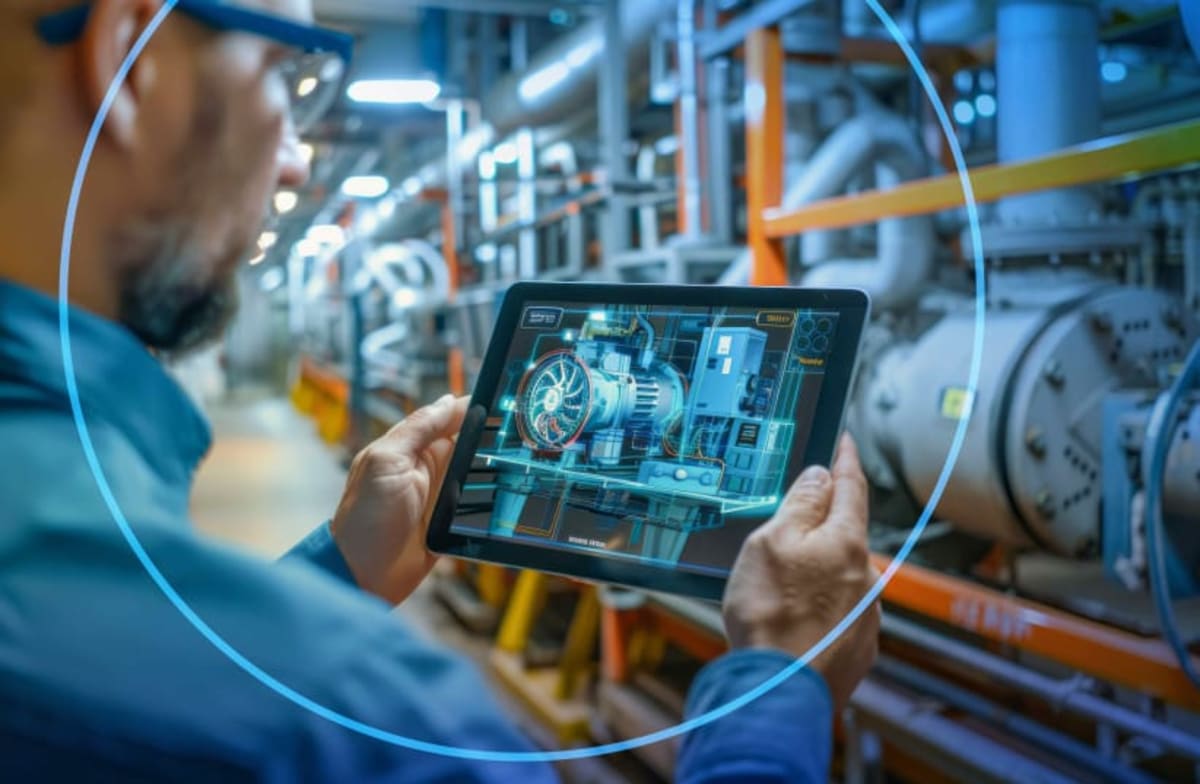
Dassault Systèmes developed a cloud-based platform that acts like a virtual companion for engineers. When someone designs a new product, the AI pops up with helpful reminders about safety regulations or international standards. Engineers no longer need to memorize every American or European compliance rule. The system ensures they're following the right guidelines automatically.
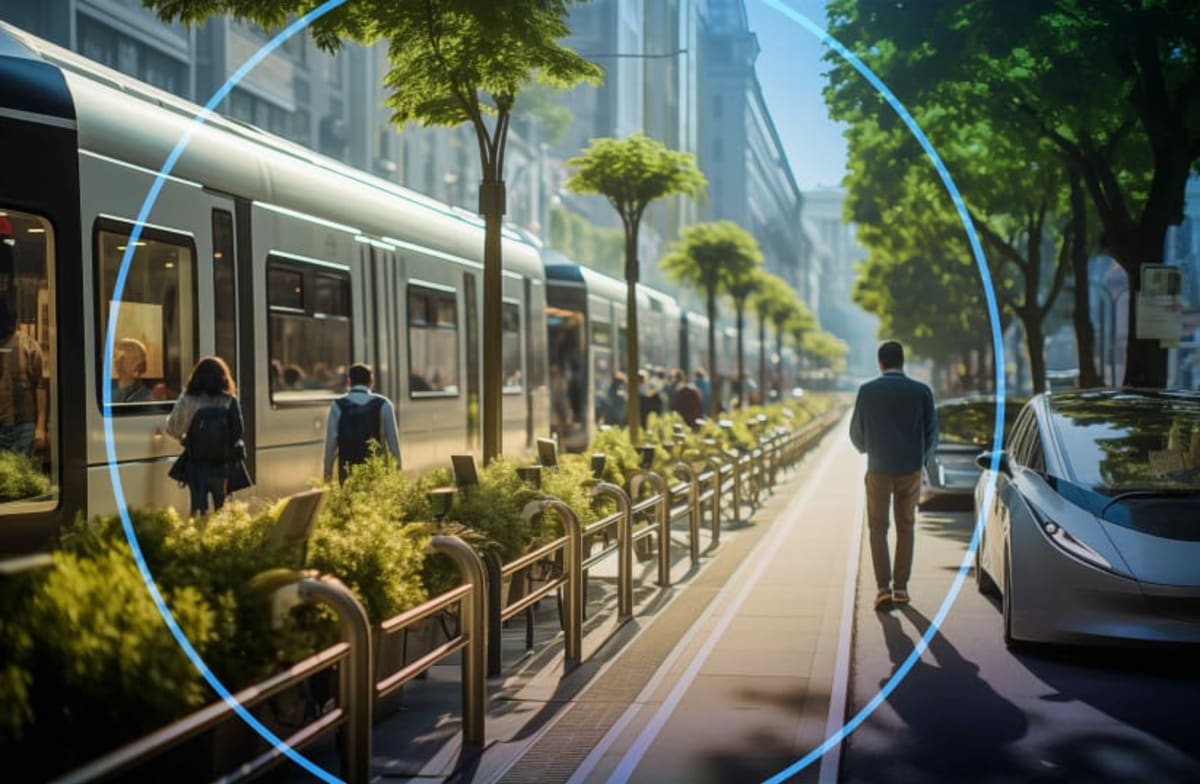
The company's roots in aerospace engineering mean accuracy isn't optional. When your background involves designing fighter jets, anything less than perfect is unacceptable. That precision now extends across industries, from smartphones to high-speed trains.
Virtual testing has become so accurate it's almost indistinguishable from the real thing. Companies once needed to crash multiple physical car prototypes to gather safety data. Now they can run virtual crash tests that predict how metal folds, how dummies move, and how airbags deploy with remarkable accuracy. They still crash one real car at the end, but they already know what to expect.
This shift saves more than time and money. It prevents waste by getting designs right the first time in the virtual world. Fewer failed prototypes mean less material waste, less energy consumption, and a smaller environmental footprint.
Why This Inspires
This technology represents a fundamentally optimistic view of automation. Instead of replacing human creativity and expertise, it amplifies them. Engineers can spend their days solving fascinating challenges rather than drowning in paperwork and repetitive calculations.
The technology that makes your morning yogurt possible has been working invisibly for decades. Nobody stands in factories checking every cup by hand anymore. That automation didn't eliminate jobs. It freed workers to focus on innovation, quality control, and problem-solving that actually requires human intelligence.
The same pattern is playing out across engineering today. AI handles the thousand repetitive tasks that drain energy and enthusiasm. Engineers get to be engineers again, using their training and creativity to push boundaries and solve problems that actually matter.
The future isn't about humans versus machines. It's about humans and machines working together, each doing what they do best.
More Images

Based on reporting by Google: robotics innovation
This story was written by BrightWire based on verified news reports.
Spread the positivity!
Share this good news with someone who needs it