Alaska Cliff Reveals Thousands of Dinosaur Tracks at Sunset
Scientists hiking in Denali National Park discovered the largest dinosaur track site ever found in Alaska when the evening sun revealed thousands of 70-million-year-old footprints hidden on a massive cliff face. The site offers an unprecedented window into an ancient ecosystem that once thrived where brown bears now roam.
A team of scientists thought they were looking at just another rocky cliff in Alaska until the setting sun transformed everything they could see.
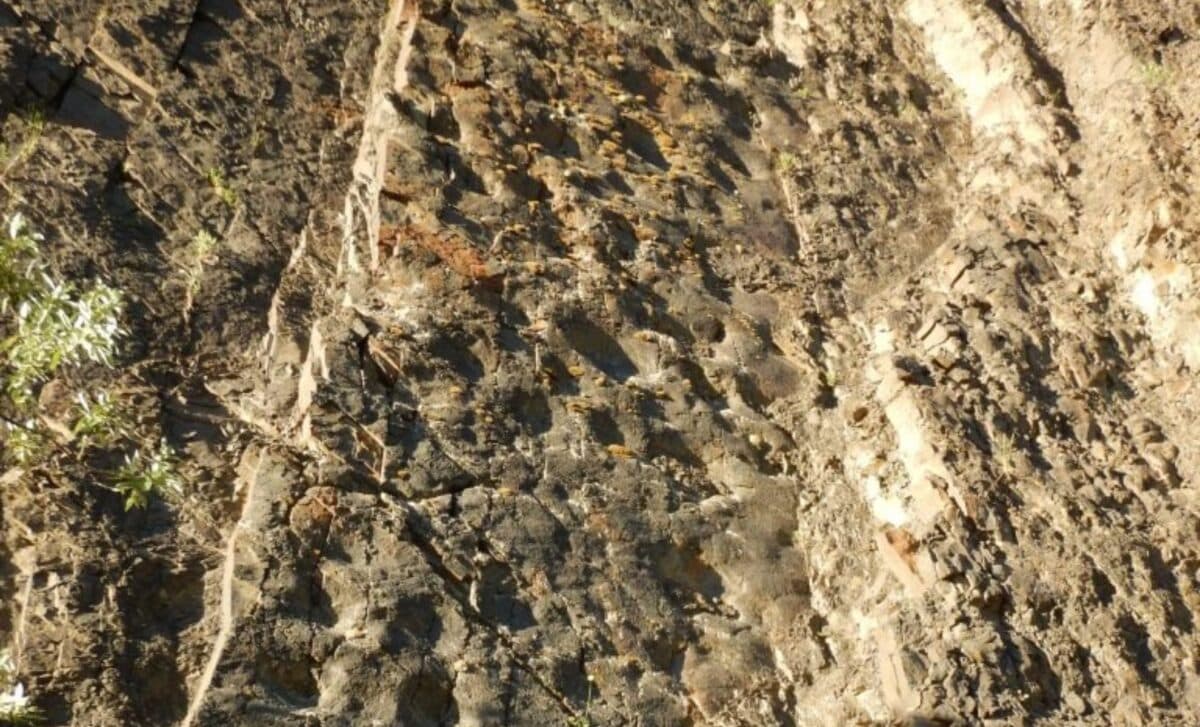
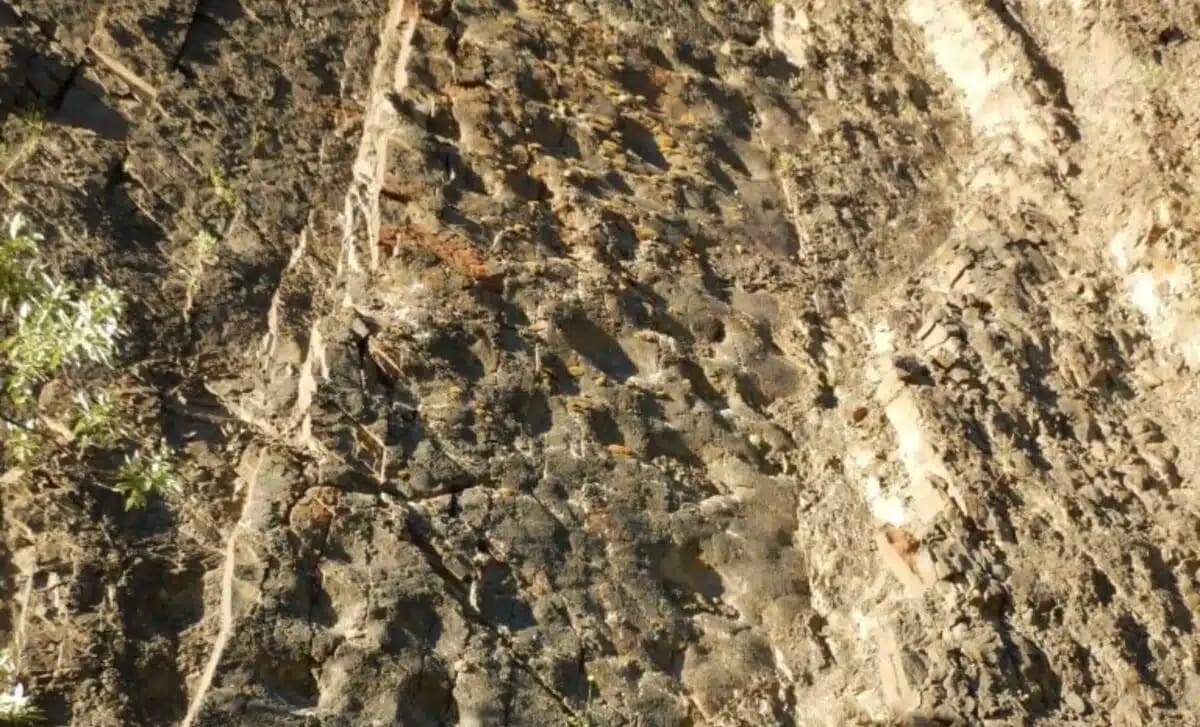
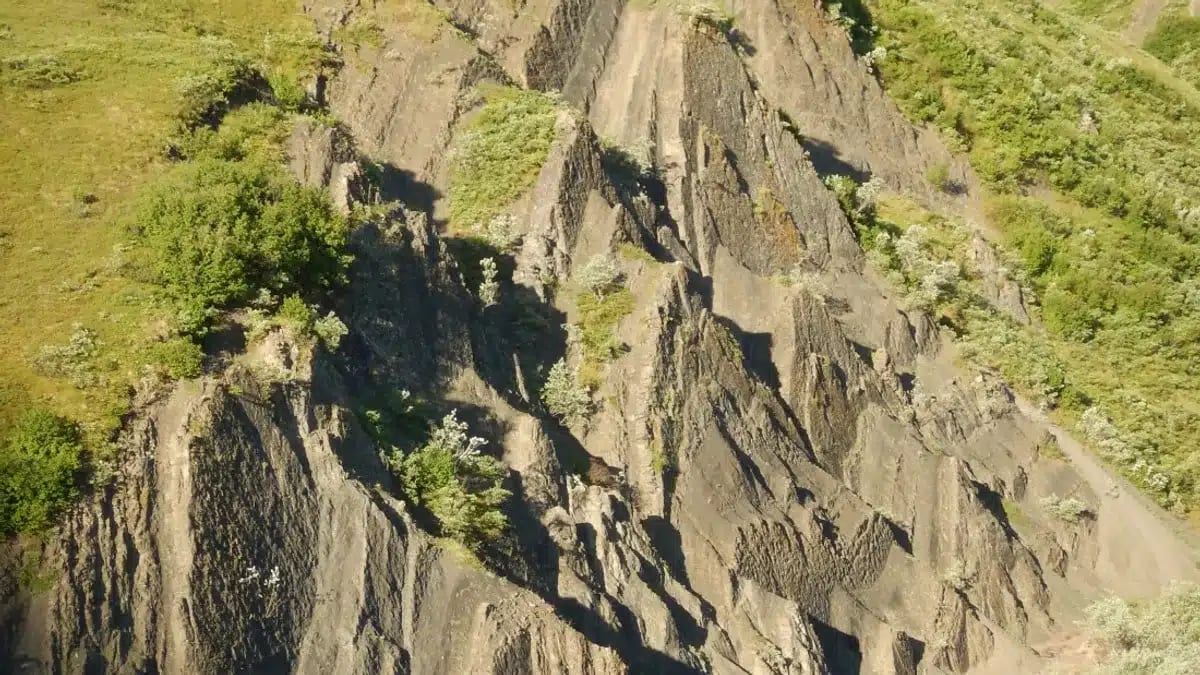
Researchers from the University of Alaska Fairbanks were hiking through Denali National Park when they spotted a few dinosaur tracks near the base of a towering rock formation. As evening light swept across the surface, hundreds more footprints suddenly appeared, revealing what they now call "The Coliseum," the largest dinosaur track site ever discovered in Alaska.
"When the sun angles itself perfectly with those beds, they just blow up," lead author Dustin Stewart explained. "Immediately all of us were just flabbergasted."
The site stretches across an area the size of a small shopping center and contains multiple layers of fossilized footprints from creatures that walked the earth 70 million years ago. Unlike other track sites in the park, this one captures repeated activity across thousands of years, creating a timeline of prehistoric life frozen in stone.
The rock walls tower more than 20 stories high, but they started as muddy floodplains crisscrossed by rivers and ponds. Dinosaurs repeatedly walked through the soft sediment, leaving impressions that hardened over millions of years before tectonic forces tilted the ancient layers upward.
Why This Inspires
This discovery does more than reveal where dinosaurs walked. The team also found fossilized plants, pollen, freshwater shellfish, and traces of small invertebrates that help paint a complete picture of life in prehistoric Alaska.
The region looked nothing like today's frozen tundra. Scientists compared the ancient landscape to the modern Pacific Northwest, with warm temperatures supporting forests of coniferous and deciduous trees, thick ferns, and horsetails carpeting the forest floor.
Most tracks belonged to giant plant eaters like duck-billed dinosaurs and horned dinosaurs, with prints from both juveniles and adults suggesting the area served as a regular crossing point for herds. The team also identified footprints from raptors, tyrannosaurs, and even early birds and flying reptiles.
"There was a tyrannosaur running around Denali that was many times the size of the biggest brown bear there today," noted Pat Druckenmiller, director of the University of Alaska Museum of the North. Some prints still preserve detailed toe shapes and traces of skin texture, bringing these ancient giants to life in remarkable detail.
The National Park Service now protects the site and plans to continue working with researchers as they study new layers and uncover more fossils from this remarkable window into Earth's distant past.
More Images

Based on reporting by Google News - Science
This story was written by BrightWire based on verified news reports.
Spread the positivity!
Share this good news with someone who needs it