Alaska Landslide Survivors Escape Unharmed in Fjord Tsunami
When 64 million cubic meters of rock crashed into an Alaska fjord last August, the resulting tsunami stripped trees 1,578 feet high—but everyone made it out safely. Scientists are now using the event to help protect future visitors to glacier country.
A massive landslide sent rock careening into Tracy Arm fjord in southeast Alaska on August 10, 2025, triggering a tsunami that ripped vegetation from the valley walls. Despite the power of nature on display, not a single person was hurt.
The slide happened after South Sawyer Glacier rapidly retreated, destabilizing the rocky slopes above. When the rock finally gave way, it generated waves that climbed nearly 1,600 feet up the opposite fjord wall, stripping trees and vegetation in minutes.
Kayakers camping on Harbor Island had their gear swept away but escaped injury. Passengers on a small cruise ship in a neighboring fjord reported sudden water level swings and strong currents but remained safe.
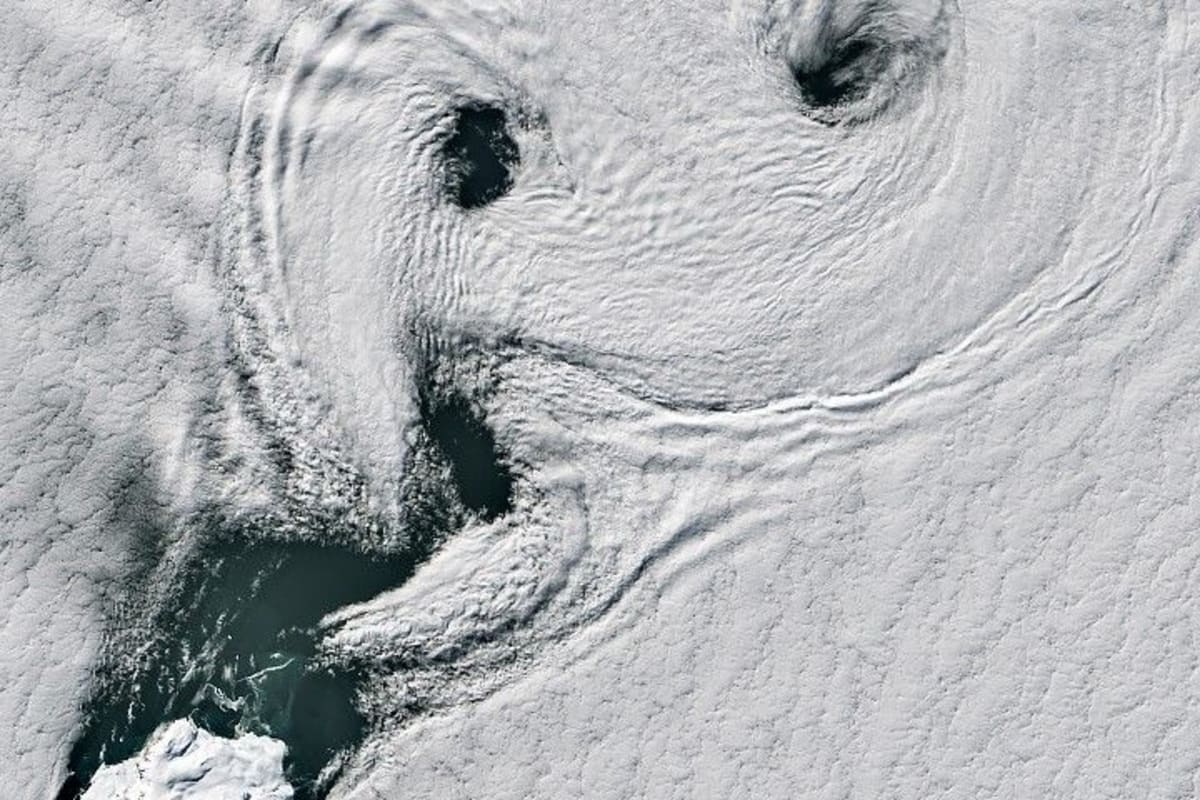
NASA satellites captured the transformation, showing the fjord before and after in striking detail. A bright scar marks where the mountain gave way, while a "bathtub ring" shows where the tsunami leveled the forest along the shore.
Dan Shugar, a geomorphologist at the University of Calgary, led a team that studied the event using satellites, aerial photos, and ground observations. Their findings, published this month in the journal Science, reveal that water continued sloshing around the fjord for more than a day afterward.
The landslide registered as a magnitude 5.4 earthquake, detected by sensors around the world. It even broke off a large chunk of the glacier itself, filling the fjord with icebergs.
The Bright Side
No one visits Tracy Arm expecting the landscape to stay frozen in time. Glacial valleys have been reshaping themselves for millennia, and scientists say this event offers a valuable lesson in staying safe while exploring these wild places.
Researchers discovered that satellite images showing a glacier shifting from stability to rapid retreat could serve as an early warning system. When glaciers pull back quickly, they expose steep, unstable slopes and new areas of open water vulnerable to tsunami waves.
The finding gives tour operators and park managers a new tool for protecting visitors. By monitoring glacier behavior from space, they can identify areas becoming more susceptible to landslides before tragedy strikes.
Tracy Arm connects to Stephens Passage, a major waterway for cruise ships and tour boats in southeast Alaska. While some cruise companies temporarily avoided the area after the slide, the research is helping them make informed decisions about when it's safe to return.
The event reminds us that even in moments of dramatic natural change, human ingenuity and scientific observation can help keep people safe.
More Images



Based on reporting by NASA
This story was written by BrightWire based on verified news reports.
Spread the positivity!
Share this good news with someone who needs it