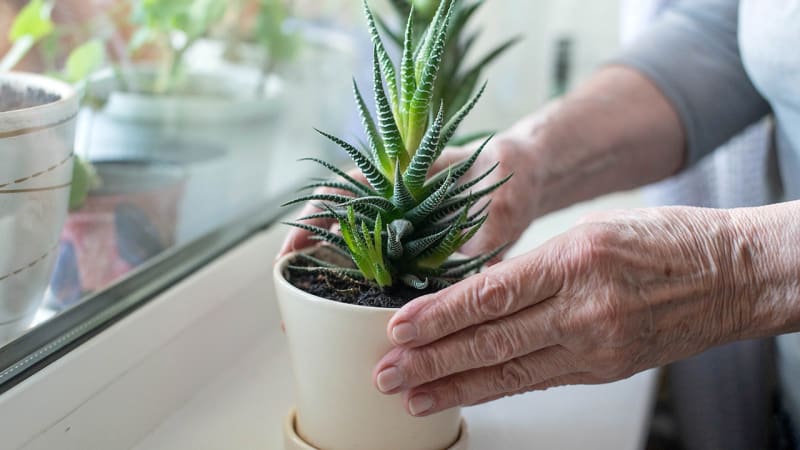
Aloe Vera Compound Shows Promise Against Alzheimer's
Scientists discovered that a natural compound in aloe vera may help slow the enzymes linked to memory loss in Alzheimer's disease. While still early research, the plant-based molecule shows strong potential for future drug development.
A common houseplant might hold a new key to fighting Alzheimer's disease, according to scientists in Morocco.
Researchers at the University of Casablanca found that a compound in aloe vera called Beta sitosterol can interact with brain enzymes involved in Alzheimer's. The discovery, published in Current Pharmaceutical Analysis, suggests a potential new approach to preserving memory in patients.
Alzheimer's disease reduces acetylcholine, a chemical messenger that helps brain cells communicate. Two enzymes naturally break down this important messenger, speeding up memory loss and cognitive decline in patients.
Using computer simulations, scientists tested how different aloe vera compounds might slow these harmful enzymes. Beta sitosterol attached to the key enzymes more strongly than any other compound tested, suggesting it could effectively slow their activity.
The research team also examined whether the compound would be safe for human use. Their analysis showed Beta sitosterol would likely be well absorbed by the body and non-toxic at therapeutic levels.
Lead researcher Meriem Khedraoui called Beta sitosterol a "promising candidate for further drug development" because of its significant binding strength and stability.
The Bright Side
This discovery adds to a growing toolbox of potential Alzheimer's treatments being developed worldwide. Plant-based medicines often provide gentler options with fewer side effects than synthetic drugs.
The fact that aloe vera is already widely available and well-studied for other uses could speed up the research process. Scientists have a head start in understanding how the plant interacts with the human body.
Christopher Weber from the Alzheimer's Association cautioned that the work relies on computer models and hasn't been tested in humans yet. The compound also wouldn't stop brain cell death, though it could help manage symptoms.
Weber emphasized that anyone concerned about cognitive symptoms should talk to their doctor rather than self-treating with supplements. The research needs validation through lab experiments and clinical trials before any therapeutic claims can be made.
Still, the discovery represents another step forward in understanding how natural compounds might support brain health. Every new avenue of research brings hope to the millions of families affected by Alzheimer's worldwide.
Scientists continue developing treatments that address the disease in multiple ways, and plant-based options like Beta sitosterol expand the possibilities for gentler, more accessible care in the future.
More Images



Based on reporting by Fox News Health
This story was written by BrightWire based on verified news reports.
Spread the positivity!
Share this good news with someone who needs it