Amateur Astronomers Can Do Real Science During Lunar Eclipse
You don't need fancy equipment to contribute to real lunar science. The March 2026 total lunar eclipse offers three simple projects anyone with clear skies can tackle.
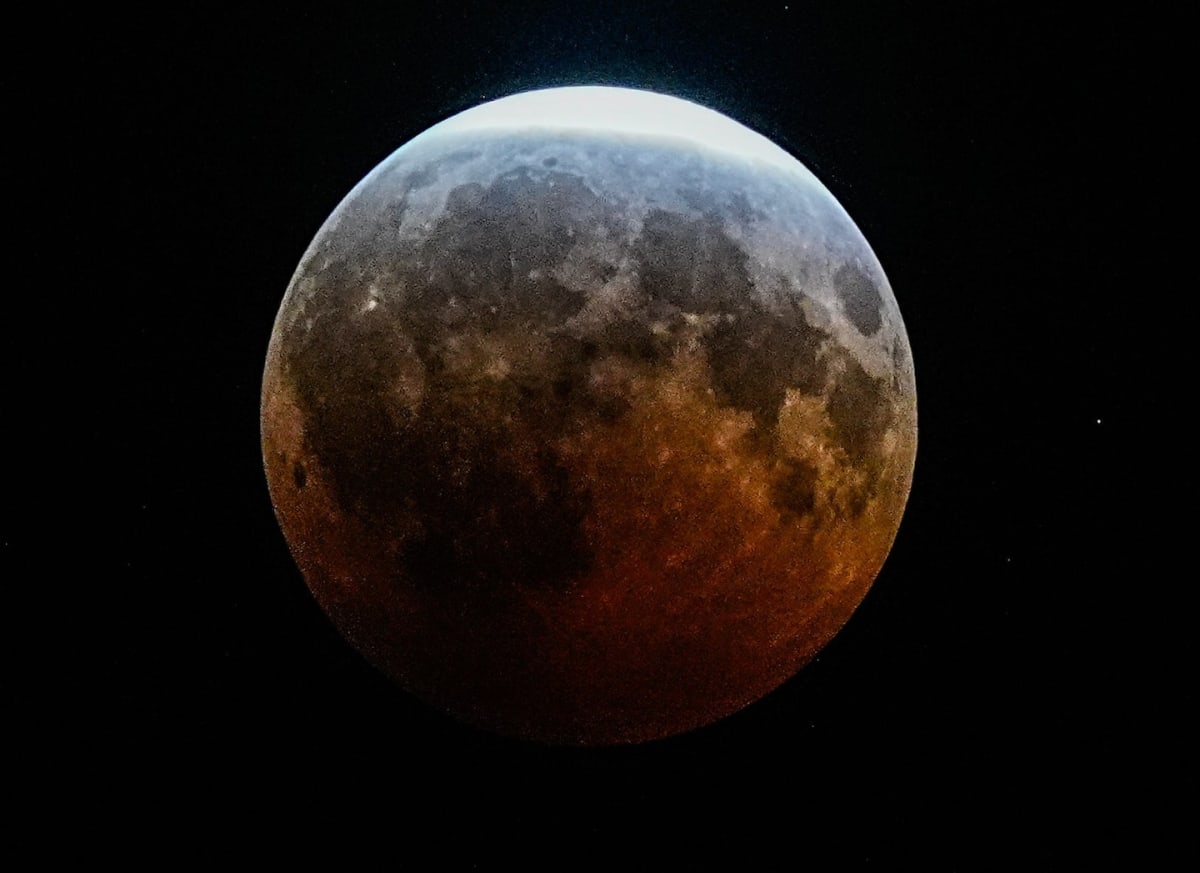
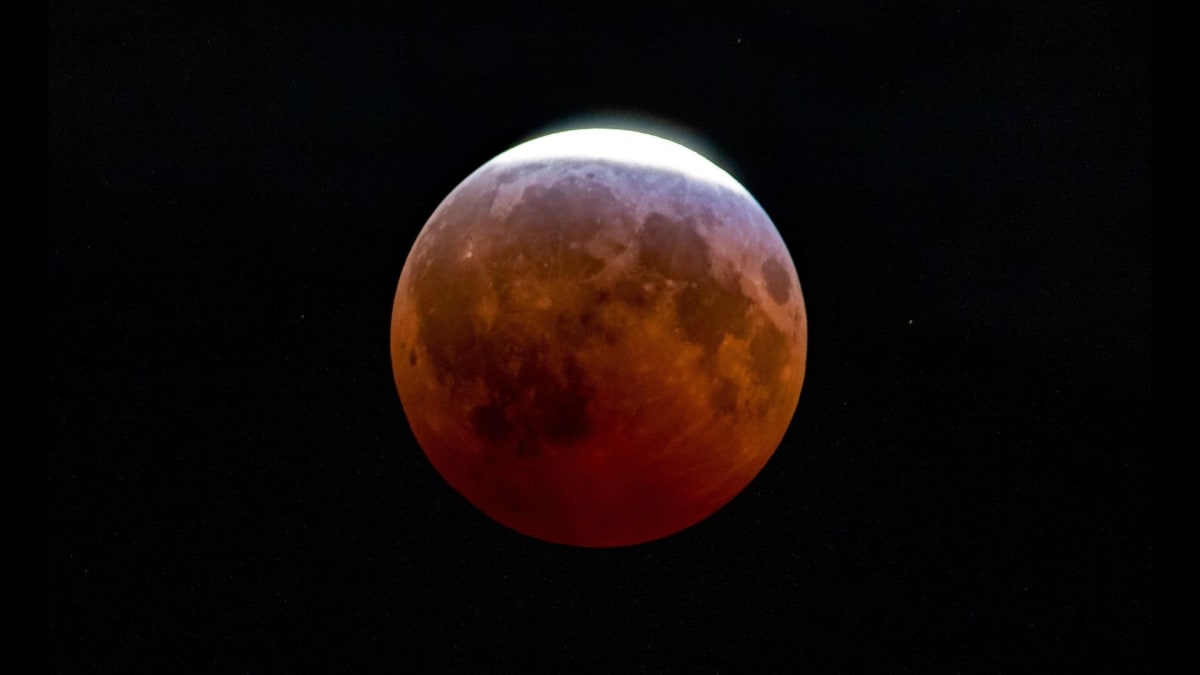
When the Moon turns red during the total lunar eclipse on March 3, 2026, amateur stargazers around the world will have a rare chance to contribute to centuries-old scientific research from their own backyards.
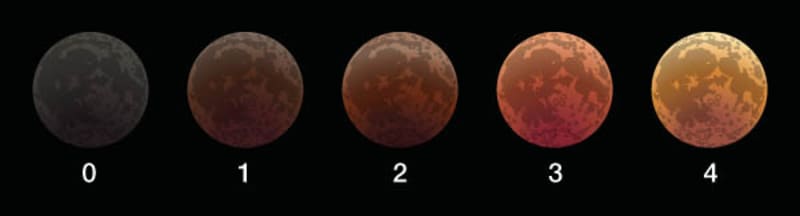
Three simple observation projects need volunteers, and none require expensive equipment. The most basic asks observers to rate the Moon's color and brightness using a scale created by French astronomer André Danjon in the 1860s, ranging from almost invisible to bright copper-red.
The scale exists because every lunar eclipse looks different. In 1860, Irish astronomer Mary Ward described the Moon as looking like "a red-hot penny," while the famously dark 1963 eclipse left some observers unable to even find the Moon in the sky.
A second project involves comparing the eclipsed Moon's brightness to nearby stars using binoculars held backward. Brazilian astronomer Helio C. Vital has led teams doing this for years, producing measurements more precise than the subjective color ratings.
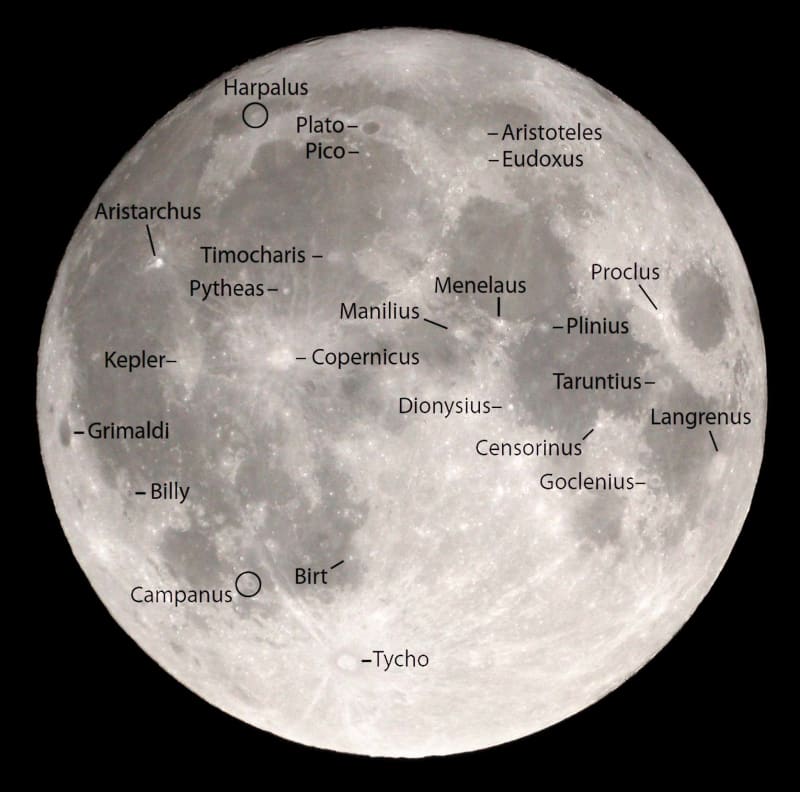
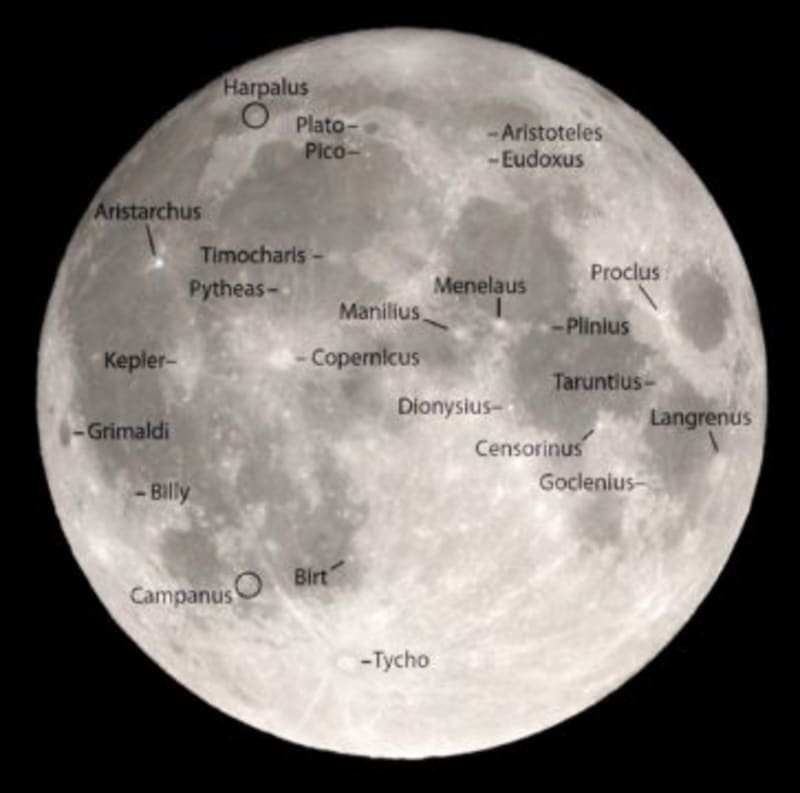
The third project traces back to Christopher Columbus, who used a lunar eclipse in 1504 to calculate his position in the New World. Modern observers time when specific craters cross into Earth's shadow, helping scientists measure how much our atmosphere enlarges the shadow's size.
This measurement varies mysteriously from eclipse to eclipse. In July 1982, Sky & Telescope readers sent in 697 crater timings showing a 2.1% enlargement. Six months later, 298 timings from another eclipse showed only 1.7% enlargement, and scientists still don't know why.
Why This Inspires
These projects prove you don't need a PhD or a research grant to advance human knowledge. Armed with just a watch, binoculars, and clear skies, backyard astronomers join a tradition of citizen scientists stretching back three centuries.
The timing project uses the same methods employed for 300 years specifically so modern measurements can be compared with historical ones. Your observations from a suburban driveway could help solve puzzles that have stumped professional astronomers.
Sky & Telescope provides detailed charts showing which craters to watch and predicted timing tables for the March 2026 eclipse. The magazine collects results from volunteers worldwide and analyzes them together, turning individual observations into meaningful scientific data.
Whether you time crater crossings to the nearest five seconds or simply note the Moon's color, your contribution matters. These collective observations create datasets no single observatory could produce alone, tracking patterns across years and even centuries.
The best part: after making your scientific contribution, you still have time to simply sit back and marvel at one of nature's most beautiful shows.
More Images
Based on reporting by Sky & Telescope
This story was written by BrightWire based on verified news reports.
Spread the positivity!
Share this good news with someone who needs it