Amazon Fires Drop 80% in Brazil's Best Year Since 1985
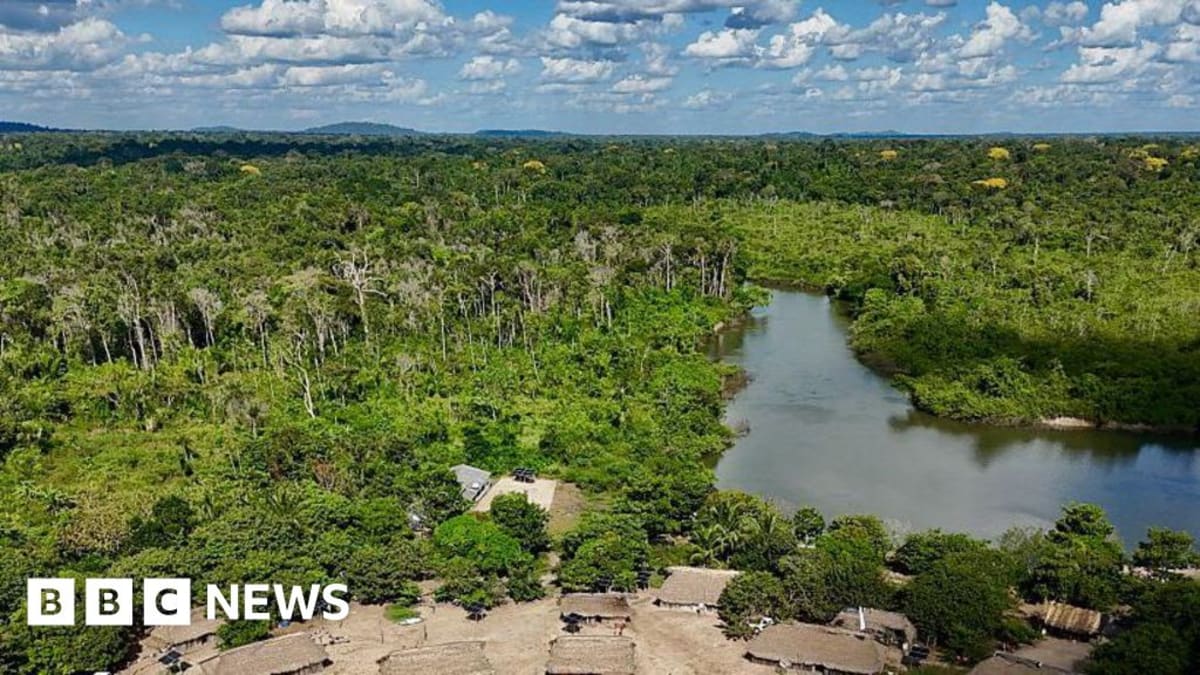
Brazil's Amazon rainforest saw its smallest burned area in 41 years, with fires dropping from 15.8 million hectares in 2024 to just 3.1 million in 2025. The dramatic turnaround shows that protecting the world's largest rainforest is possible with the right commitment.
The Amazon rainforest just had its best year in four decades, and the numbers are stunning.
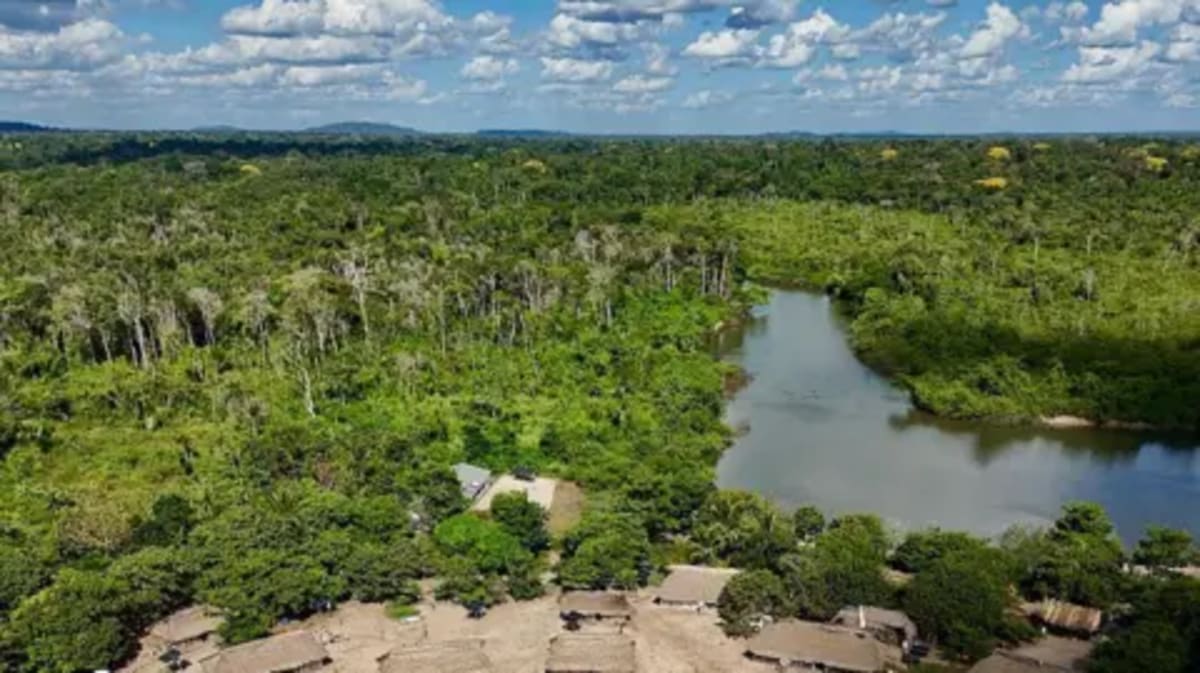
Brazil's portion of the Amazon saw only 3.1 million hectares burn in 2025, down from a devastating 15.8 million hectares in 2024. That's an 80% drop and the smallest area burned since monitoring began in 1985, according to deforestation tracking group MapBiomas.
The recovery comes after 2024's worst forest fires in over two decades, which climate scientists blamed on extreme weather and human activity. Cooler La Niña conditions helped ease the fire risk, but experts say the drop also reflects stronger prevention efforts.
"The 2025 figures are significant and show that it is possible to reduce the burned area in the country," said Vera Arruda, a researcher at the Amazon Environmental Research Institute. The 31% drop compared to historical averages is driven primarily by the Amazon's lowest fire count in 41 years.
The good news extends beyond the Amazon. Brazil as a whole saw fires drop from 30 million hectares in 2024 to 12.7 million in 2025, showing nationwide progress.
President Luiz Inácio Lula da Silva made protecting the Amazon a central campaign promise when running for office four years ago. Under his predecessor Jair Bolsonaro, deforestation increased by 75% over three years as the government prioritized farming and mining.
The Ripple Effect
Tropical rainforests like the Amazon do more than shelter millions of species. They act as the planet's lungs, absorbing massive amounts of carbon dioxide and helping keep Earth cool.
When forests burn, that stored carbon releases back into the atmosphere, accelerating climate change. But when they thrive, they help stabilize the global climate for everyone.
The recovery shows what's possible when governments prioritize environmental protection. While challenges remain, including approved oil exploration projects that concern activists, the trend points toward hope.
MapBiomas researchers warn that natural El Niño weather patterns could still extend dry seasons and increase fire risk in coming years. But the 2025 numbers prove that decades of damage don't have to define the future.
One year of record recovery shows the Amazon can heal when given the chance.
More Images

Based on reporting by BBC Science
This story was written by BrightWire based on verified news reports.
Spread the positivity!
Share this good news with someone who needs it