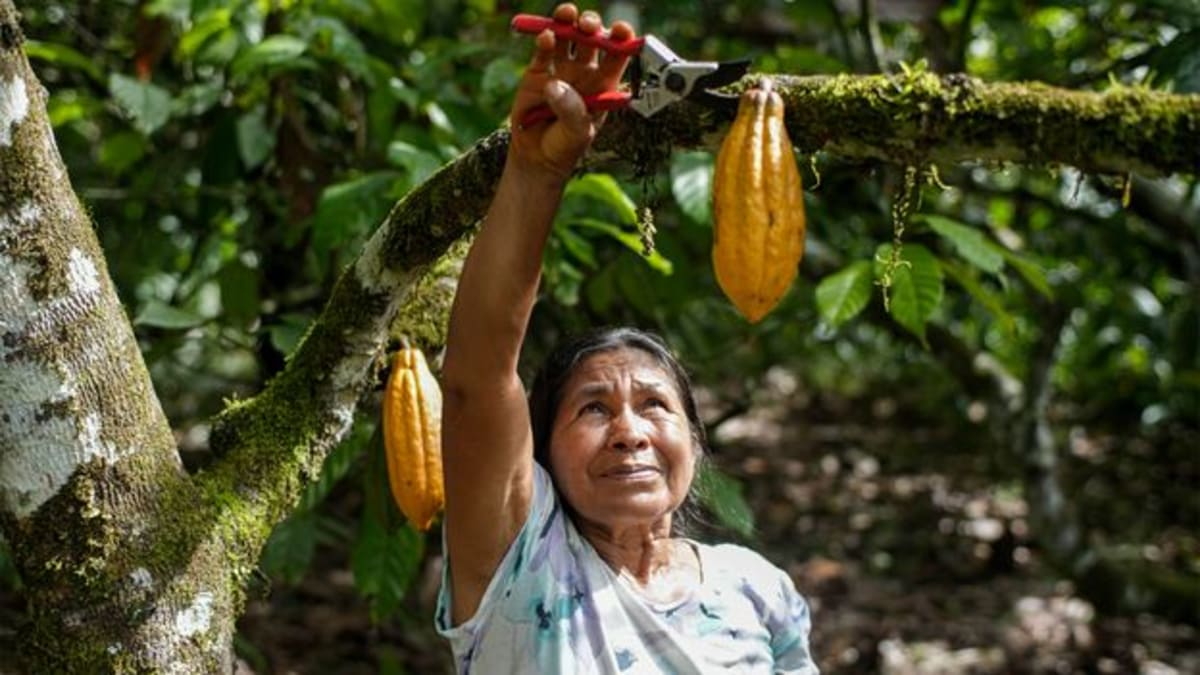
Amazon's 4,500-Year-Old Farms Store Carbon Like Forests
Deep in the Colombian Amazon, indigenous communities have been growing food on small forest plots for 4,500 years without pesticides, storing as much carbon as forests. Now scientists are racing to protect these sustainable chagra farms before they disappear.
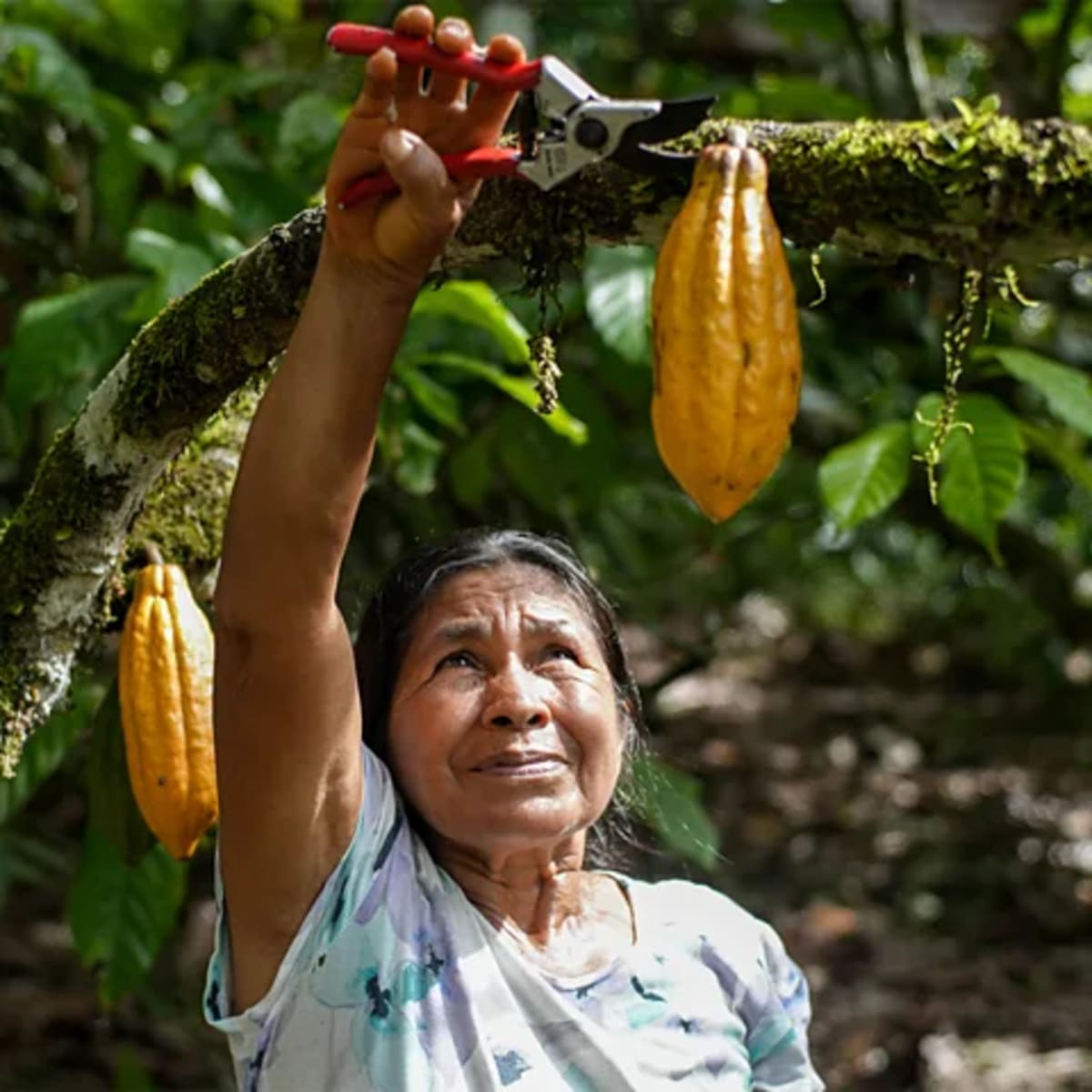
Kelly Johanna Yucuna's farm might look messy to outsiders, but every plant has a precise location and purpose in her small Colombian Amazon plot. She's part of an ancient farming system that's been feeding communities for thousands of years while keeping the rainforest healthy.
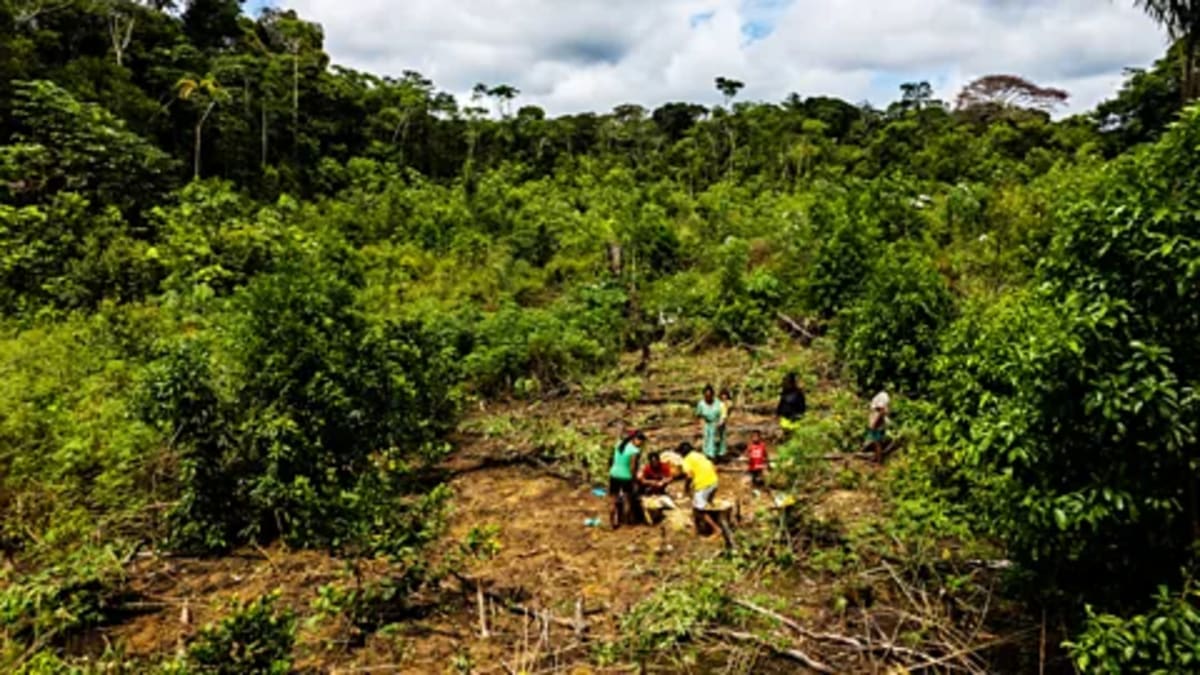
Chagras are small plots no bigger than five acres that work in harmony with the forest's natural cycles. The 240 families in Yucuna's community get most of their food from these plots, which are returned to the forest after just five or six years of use.
Before planting, community elders seek permission from forest spirits they call superior landowners. Then everyone gathers with axes and machetes to carefully clear the land together, removing mostly small trees and vines while keeping about half the native tree species standing.
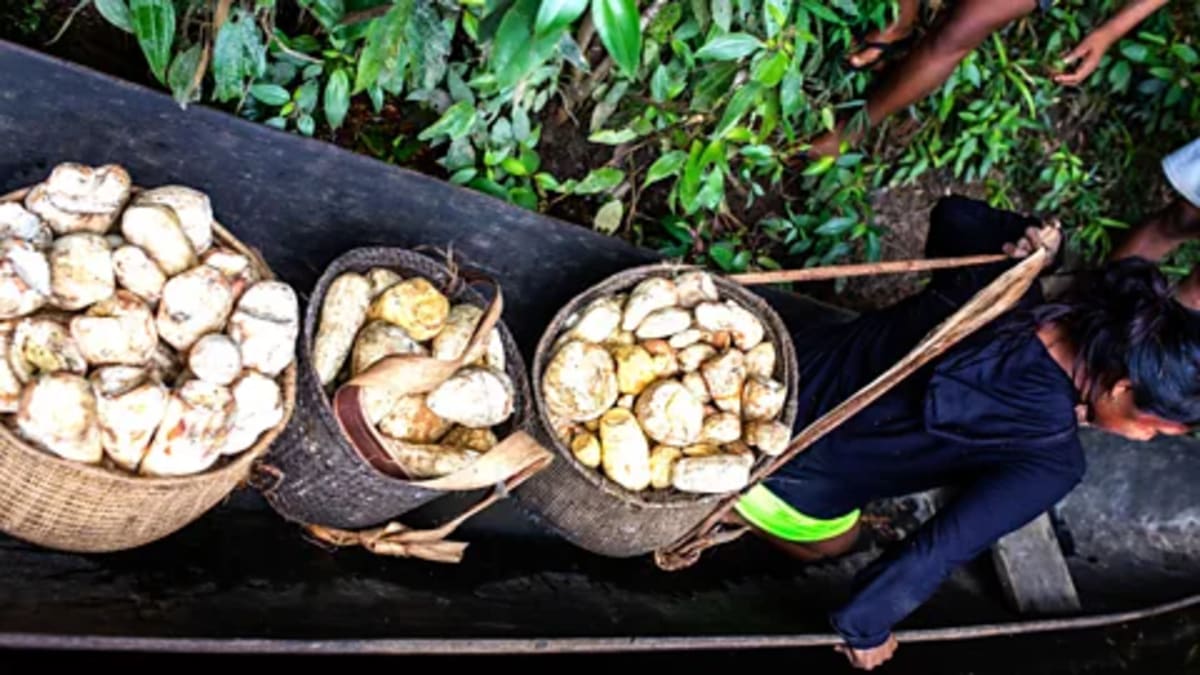
Women plant the first seeds after a controlled burn, starting with yuca (cassava) and coca at the heart of each plot. In Yucuna's territory alone, indigenous groups grow 67 different types of yuca, which represents women, while coca represents men.
Each chagra grows over 100 different species arranged by ancient knowledge. Pineapples and tall açai trees guard the edges like fortresses. Inside grow plantains, yams, sweet potatoes, chili peppers, fruit trees, tobacco and medicinal herbs.
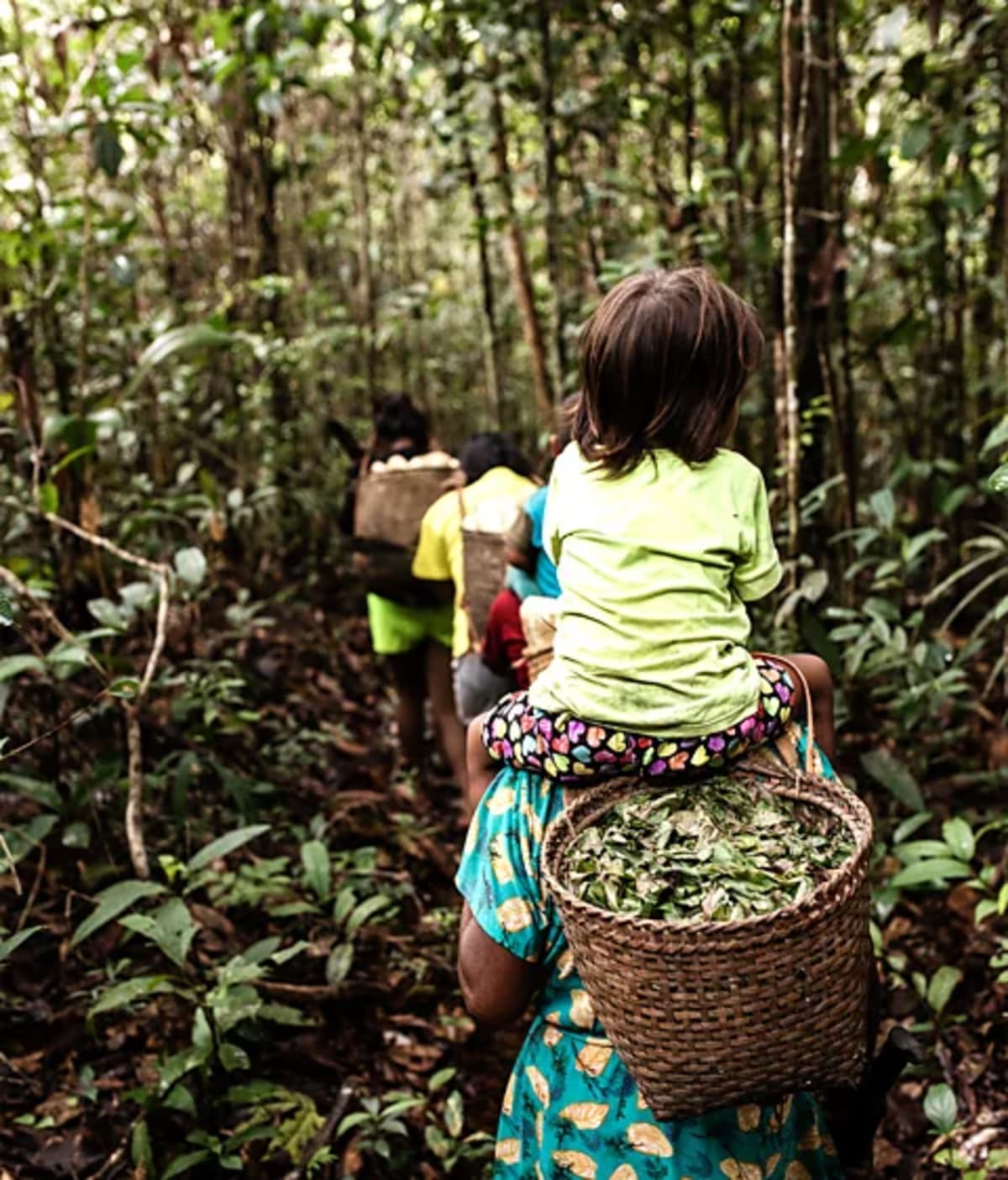
When Yucuna visits her family's chagra, she brings her children and tells them the origin stories of each plant, just as her mother and grandmother taught her. "The chagra represents life, it represents women, it represents everything to us," she says.
The Ripple Effect
Research shows chagras are far more biodiverse than modern monoculture farms and store carbon at levels comparable to secondary forests. These ancient plots prove that feeding people and protecting nature aren't competing goals.
Indigenous communities see nature as a living being to interact with, not just a pantry to raid. This 4,500-year-old wisdom offers lessons for a world struggling with climate change and biodiversity loss.
But mining, deforestation, drug trafficking and climate change are threatening these sustainable systems and the cultures behind them. Scientists and advocates are now working urgently to help these unique farms survive.
The future of food might look a lot like its past if we can preserve what communities like Yucuna's have known all along.
More Images
Based on reporting by BBC Future
This story was written by BrightWire based on verified news reports.
Spread the positivity!
Share this good news with someone who needs it