Ancient 25-Foot Towers May Be New Form of Life
Scientists believe mysterious 400-million-year-old fossils that towered over early Earth belong to an entirely new branch of life. The discovery could add a seventh kingdom to the tree of life alongside plants, animals, and fungi.
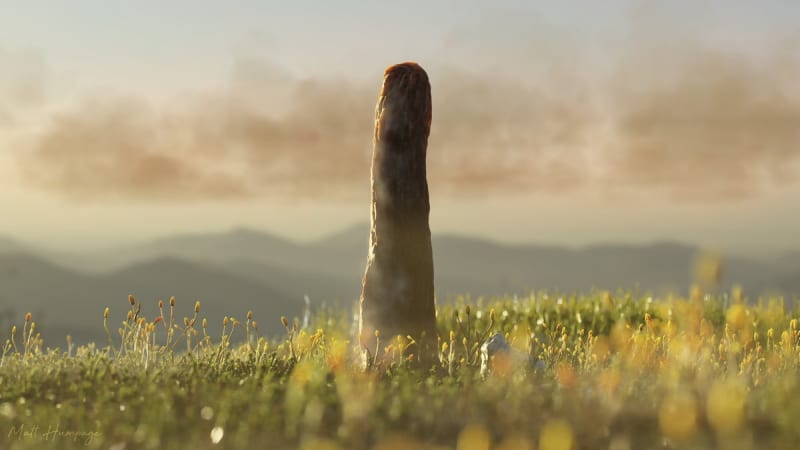
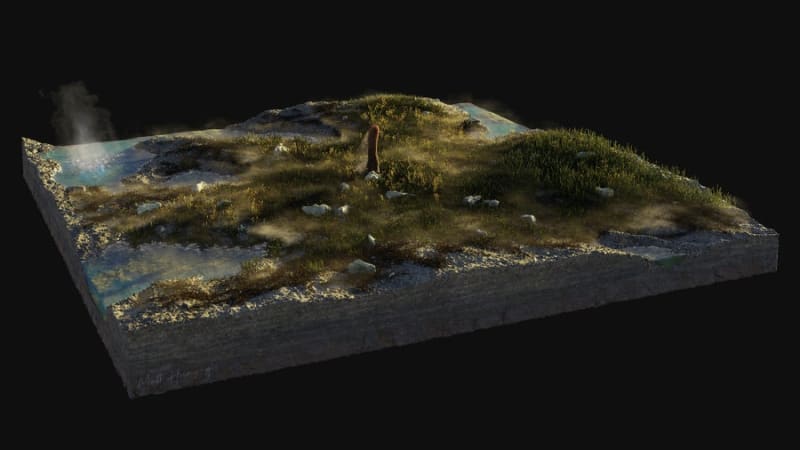
Before the first trees existed, telephone pole-sized spires called Prototaxites dominated Earth's landscape, and scientists just realized they might represent a completely new form of life.
Researchers at the University of Edinburgh published findings in Science Advances showing these ancient giants don't fit into any known category of living things. The fossils, first discovered in 1843, have puzzled scientists for over 180 years.
"It feels like it doesn't fit comfortably anywhere," says Matthew Nelsen, a senior research scientist at the Field Museum of Natural History. Scientists initially thought these 25-foot structures might be ancient trees, giant mushrooms, or land-based kelp, but none of those labels made sense.
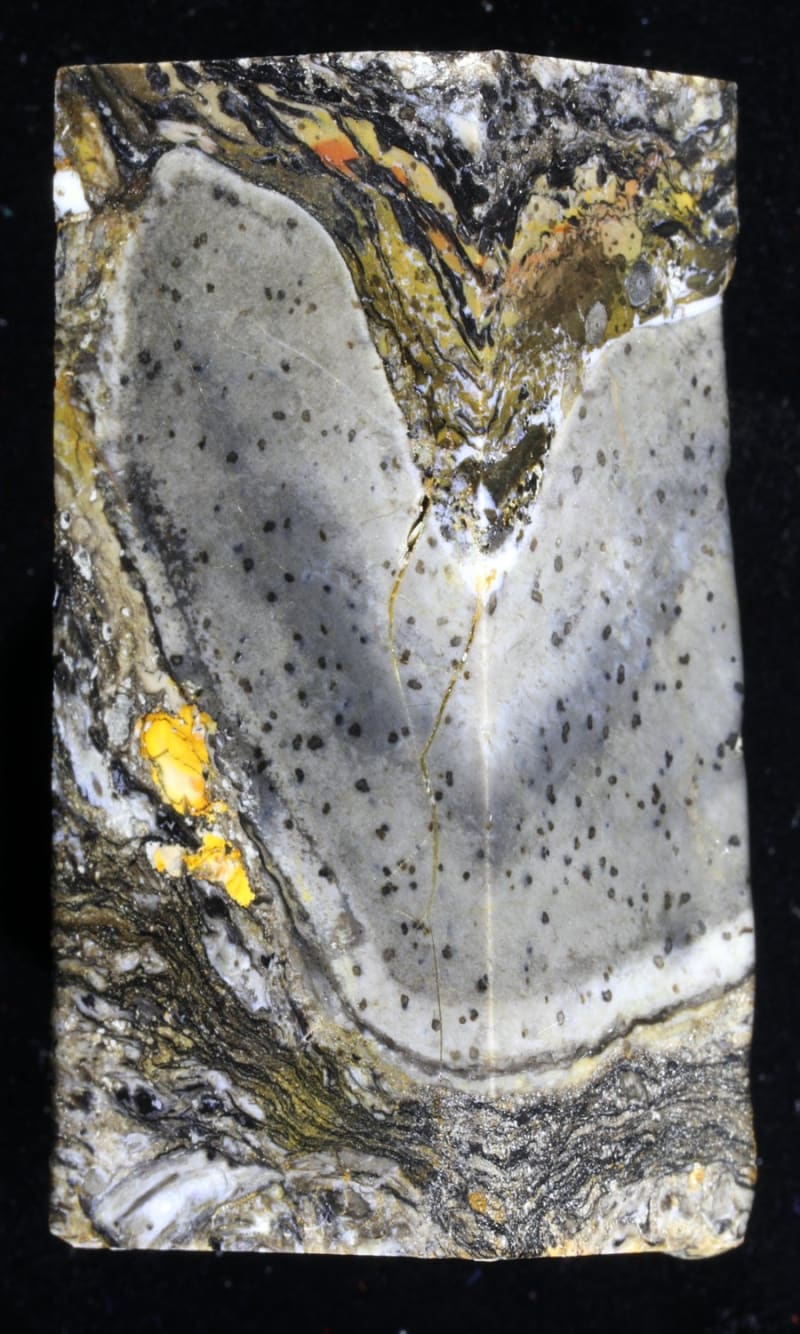
The new study compared Prototaxites fossils with fossil fungi from the same ancient rock deposits. The differences were striking and fundamental.
While Prototaxites was made of interwoven tubes like fungi, the tubes branched in wild, chaotic patterns unlike the orderly structure of any known fungus. Even more telling, researchers found no trace of chitin, a key polymer found in every single fungus that has ever lived, including fossil fungi buried right next to Prototaxites.
"It was so fundamentally different from the fungi we see today," says Laura Cooper, the study's co-lead author and PhD student at the University of Edinburgh. If confirmed, this would create a seventh kingdom of life equal to plants, animals, fungi, protists, bacteria, and archaea.
Why This Inspires
This discovery reminds us how much wonder still exists in our world, even in fossils studied for nearly two centuries. Scientists refuse to force-fit Prototaxites into existing categories just for convenience. Instead, they're following the evidence wherever it leads, even if that means rewriting fundamental biology.
The finding also shows how collaborative science works. Previous research by Kevin Boyce of Stanford University suggested Prototaxites consumed decayed organic matter like fungi do, but grew impossibly tall in a world of ankle-high plants. How these giants got enough energy to reach such heights remains a mystery researchers are eager to solve.
Whether Prototaxites becomes the seventh kingdom or simply the weirdest fungus ever discovered, scientists agree on one thing: it represents a unique form of complex, multicellular life that evolved independently on ancient Earth.
Our planet's story keeps getting more amazing, one fossil at a time.
More Images

Based on reporting by Google: scientific discovery
This story was written by BrightWire based on verified news reports.
Spread the positivity!
Share this good news with someone who needs it