Ancient 65-Foot Octopus Was Ocean's Apex Predator
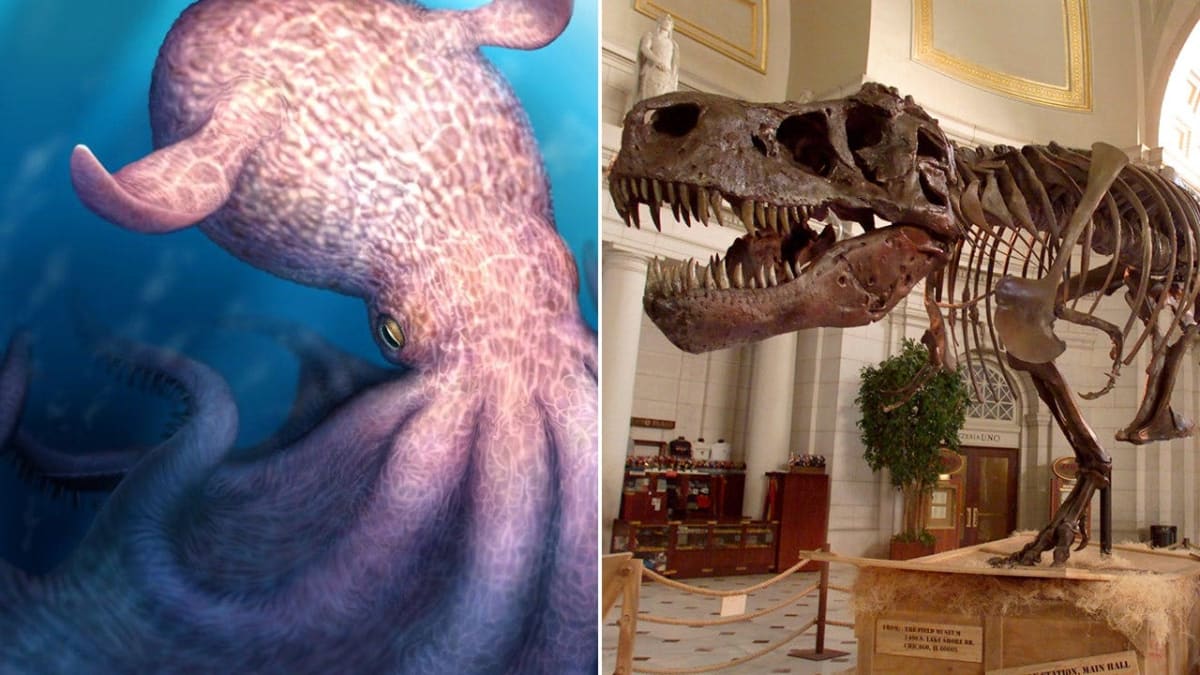
Scientists just discovered that gigantic octopuses ruled the oceans 100 million years ago, hunting alongside dinosaurs with crushing jaws. These incredible creatures stretched nearly 65 feet long, rewriting what we thought we knew about ancient marine life.
The ocean's most intelligent hunters have a far more impressive history than anyone imagined.
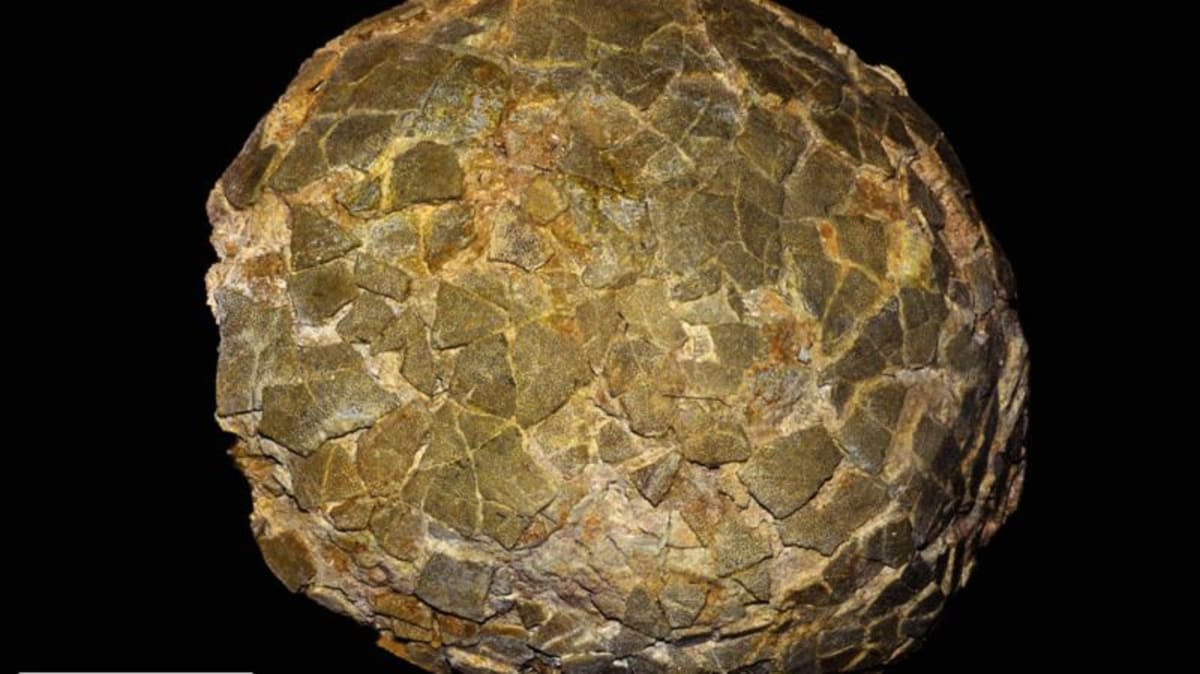
Researchers at Hokkaido University just uncovered fossilized jaws proving that massive octopuses dominated the seas during the age of dinosaurs. These ancient relatives of today's octopuses lived between 100 and 72 million years ago, sharing the planet with T. rex and triceratops.
The discovery changes everything scientists thought about prehistoric ocean food chains. Using high-resolution scanning technology and artificial intelligence, researchers found the jaw fossils preserved in seafloor sediments from Japan and Vancouver Island.
These weren't the small, nimble octopuses we know today. The ancient species called Cirrata could reach lengths of nearly 65 feet, potentially outsizing even the massive marine reptiles of their time. Their powerful jaws crushed prey with relentless force, placing them at the very top of the ocean food chain.
Professor Yasuhiro Iba led the groundbreaking study, which revealed surprising details about these predators' hunting habits. The fossilized jaws showed extreme wear and tear, with up to 10% of the jaw tip completely worn away from use. That's far more damage than modern octopuses that eat hard-shelled prey show, suggesting incredibly aggressive feeding behavior.
The discovery solves a long-standing mystery about octopus evolution. Scientists previously believed finned octopuses only appeared 15 million years ago, but these fossils push that timeline back by 85 million years. Octopuses rarely fossilize because they're soft-bodied animals, making their evolutionary history difficult to piece together.
Why This Inspires
This discovery reminds us that intelligence and adaptability can triumph over size and armor. For 400 million years, vertebrate predators dominated ocean ecosystems, yet these invertebrate hunters evolved to compete at the highest level. They succeeded by developing powerful jaws and losing their protective shells, trading defense for speed and smarts.
The research proves that nature's most successful predators aren't always the biggest or most heavily armored. Sometimes the winners are the clever ones who adapt, strategize, and use their brains to overcome challenges.
Our understanding of ancient life keeps expanding in wonderful ways, revealing that Earth's past was even more diverse and surprising than we imagined.
More Images


Based on reporting by Fox News Science
This story was written by BrightWire based on verified news reports.
Spread the positivity!
Share this good news with someone who needs it