700 Fossils Rewrite the Story of Life on Earth
Scientists in China discovered 700 fossils that push back the origin of complex life by millions of years. The find suggests the famous "Cambrian Explosion" may have been more of a slow burn than a sudden boom.
Your ancient ancestors looked nothing like you, but they just got a lot older than scientists thought.
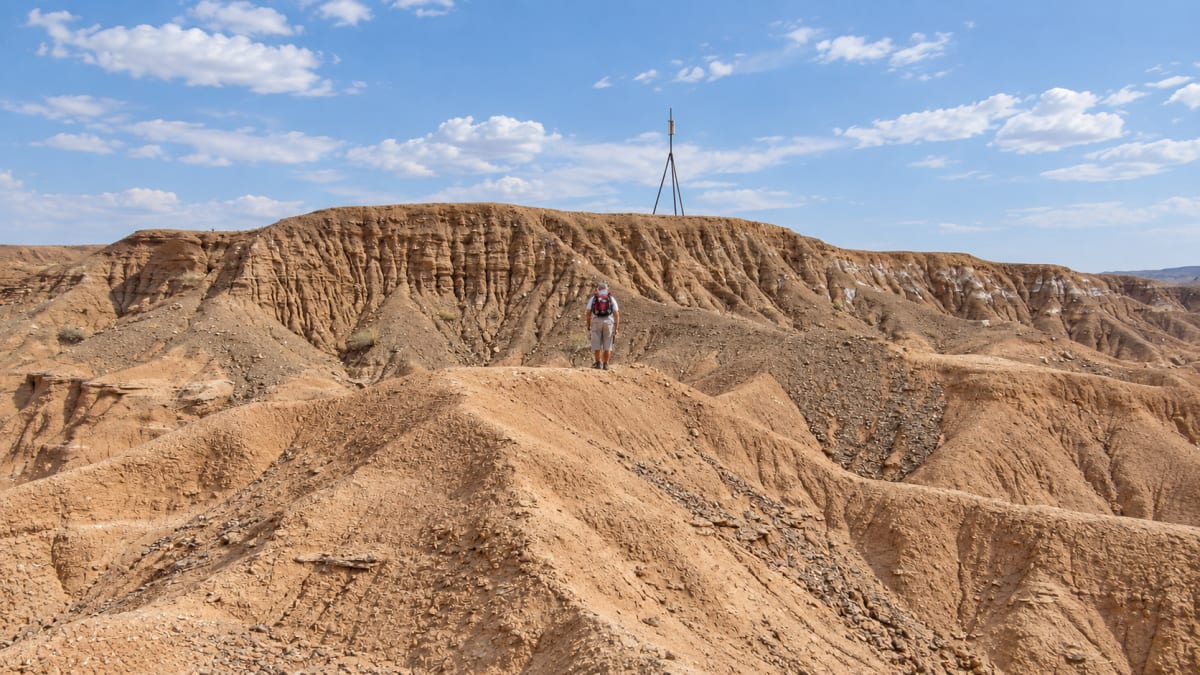
Researchers at Yunnan University in China have uncovered roughly 700 fossils at a site called the Jiangchuan Biota in southwest China. These preserved creatures lived between 539 and 554 million years ago, and they're rewriting what we know about when complex life began on Earth.
For years, scientists believed complex animals appeared suddenly during the Cambrian Explosion, a period when life seemed to burst into incredible diversity. But these new fossils tell a different story.
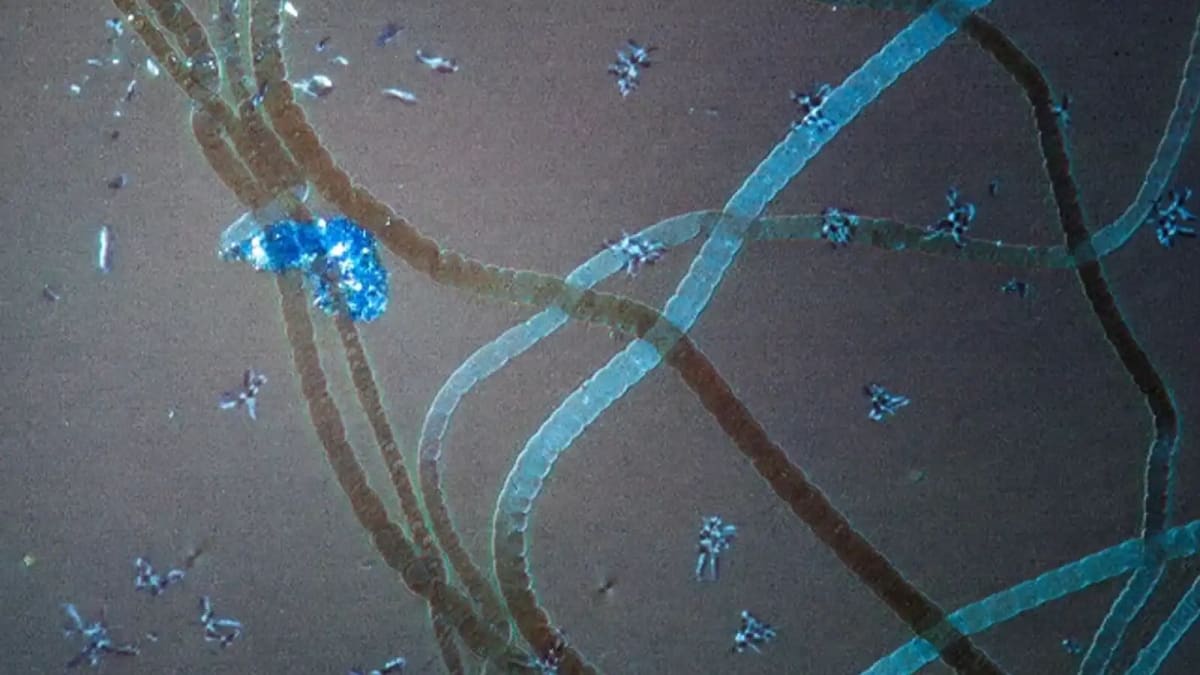
Among the ancient creatures are bilaterians, wormy animals with bodies that mirror on both sides. That might not sound impressive until you realize every vertebrate on Earth, including you, evolved from these simple organisms. The fossils show these creatures existed millions of years earlier than previously known.
The discovery also includes ancestors of modern starfish and other invertebrates. Some of these animals were thought to only exist during the Cambrian period, but their presence in older rocks suggests they were around much earlier.
Lead researcher Gaorong Li from Oxford University says the finding "closes a major gap in the earliest phases of animal diversification." The fossils bridge the mysterious transition between the Precambrian supereon and the Phanerozoic eon we live in today.
The wormy deuterostomes had holdfasts that anchored them to the seabed and feeding tubes for catching food. This winning biological design eventually gave rise to every vertebrate walking, swimming, or flying around today.
Researchers also found ambulacrarians, ancient acorn worms whose presence proves something even more exciting. If these creatures existed during this time period, then chordates, animals with backbones, must have existed too.
Why This Inspires
This discovery reminds us that our planet's story keeps getting richer the more we learn. Life didn't just explode onto the scene in one dramatic moment. It evolved gradually, persistently, building complexity over millions of years.
The researchers believe these fossils survived through rare carbonaceous compression, a preservation method uncommon in rocks from this period. That means the fossil record may have gaps not because complex life didn't exist, but because we simply haven't found the evidence yet.
The Cambrian Explosion may not have been an explosion at all, but rather the continuation of a story that began much earlier. Each fossil discovery adds another chapter to the incredible journey that led from simple worms anchored to the ocean floor to the diverse, complex life covering Earth today.
More Images


Based on reporting by Google: fossil discovery
This story was written by BrightWire based on verified news reports.
Spread the positivity!
Share this good news with someone who needs it