Ancient Canadian Rocks Generate Clean Hydrogen Energy
Scientists discovered that billion-year-old rocks deep beneath Canada are naturally producing hydrogen gas that could power homes and industries without carbon emissions. One mine site in Ontario alone generates enough hydrogen annually to meet the energy needs of more than 400 homes.
Deep beneath Canada's surface, ancient rocks are quietly solving one of our biggest energy challenges.
Scientists from the University of Toronto and University of Ottawa have discovered that billion-year-old rock formations across the Canadian Shield are naturally releasing hydrogen gas. This "white hydrogen" flows continuously from underground without any industrial process, offering a potential clean energy source that's been hiding beneath our feet all along.
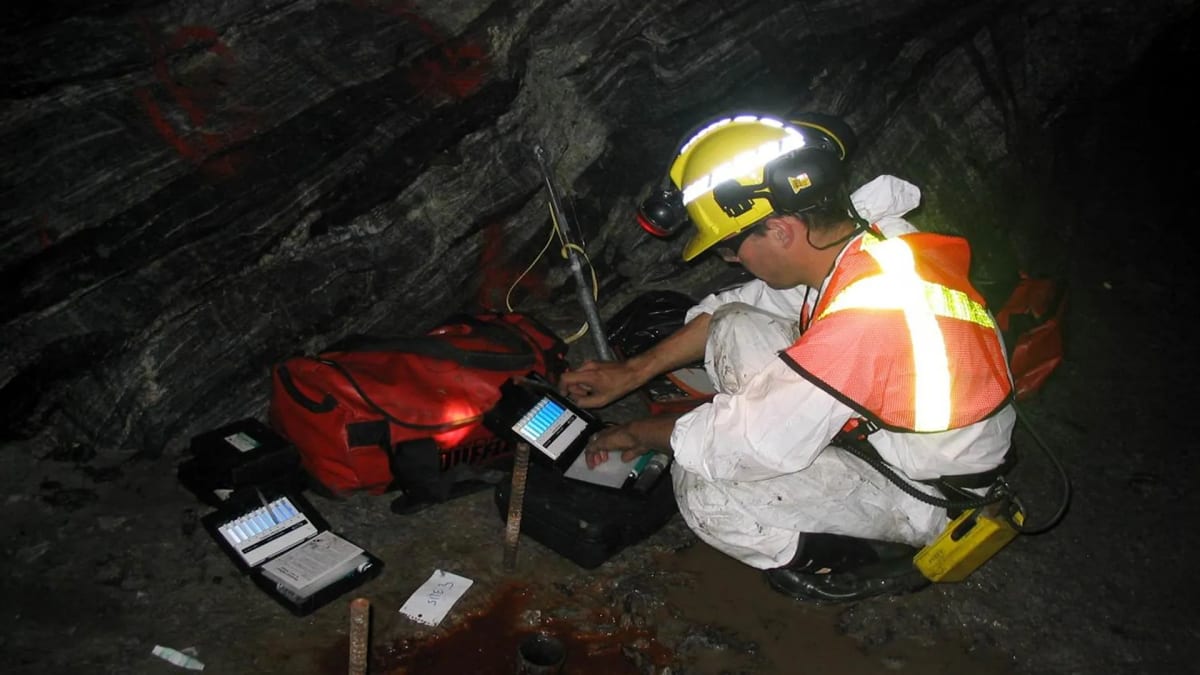
Researchers measured the hydrogen flow from boreholes at an active mine near Timmins, Ontario. Each borehole releases about 8 kilograms of hydrogen yearly, roughly the weight of a car battery. The gas keeps flowing for at least a decade without stopping.
When they calculated the output from nearly 15,000 boreholes at the site, the numbers became impressive. The mine produces over 140 tonnes of hydrogen annually, enough to generate 4.7 million kilowatts of energy. That's sufficient electricity to power more than 400 homes for an entire year.
"The data from this study suggests there are critical untapped opportunities to access a domestic source of cost-effective energy produced from the rocks beneath our feet," says lead researcher Barbara Sherwood Lollar. This discovery marks the first time scientists have directly measured and tracked natural hydrogen production over many years at a real-world location.
The hydrogen forms through chemical reactions between ancient rocks and groundwater deep underground. The Canadian Shield contains vast amounts of these special rock formations, stretching across Northern Ontario, Quebec, Nunavut, and the Northwest Territories.
The Ripple Effect
This discovery could transform Canada's mining industry and northern communities in practical ways. The same geological regions producing natural hydrogen are already home to nickel, copper, and diamond mining operations. Companies exploring for lithium, helium, and other critical minerals are working in these exact areas too.
That location overlap matters because it eliminates a major hydrogen challenge: transportation. Mining operations could tap into local hydrogen sources right where they need energy, cutting both costs and carbon emissions without building extensive pipelines or storage facilities.
Northern communities face some of Canada's highest fuel costs because everything must be transported long distances. Natural hydrogen wells near these remote areas could provide affordable local energy, reducing dependence on imported fossil fuels.
Today's hydrogen industry is worth $135 billion globally, used mainly in fertilizer production, steelmaking, and manufacturing. Nearly all of it comes from fossil fuels through processes that release significant carbon dioxide. Even renewable "green hydrogen" requires expensive equipment and massive amounts of electricity.
Natural hydrogen needs none of that infrastructure. Similar hydrogen-producing rock formations exist in many countries beyond Canada, suggesting this approach could eventually expand worldwide.
The findings were published in the Proceedings of the National Academy of Sciences, turning what was once theoretical into measured reality.
Canada's ancient rocks have been producing clean energy for millions of years—we're just now learning how to use it.
Based on reporting by Science Daily
This story was written by BrightWire based on verified news reports.
Spread the positivity!
Share this good news with someone who needs it