Ancient Cave in Saudi Arabia Reveals 7,000 Years of Life
A lava tube hidden beneath Saudi Arabia's desert has preserved thousands of years of human history that surface winds erased everywhere else. Scientists just unlocked what life looked like for ancient herders who traveled through one of Earth's harshest climates.
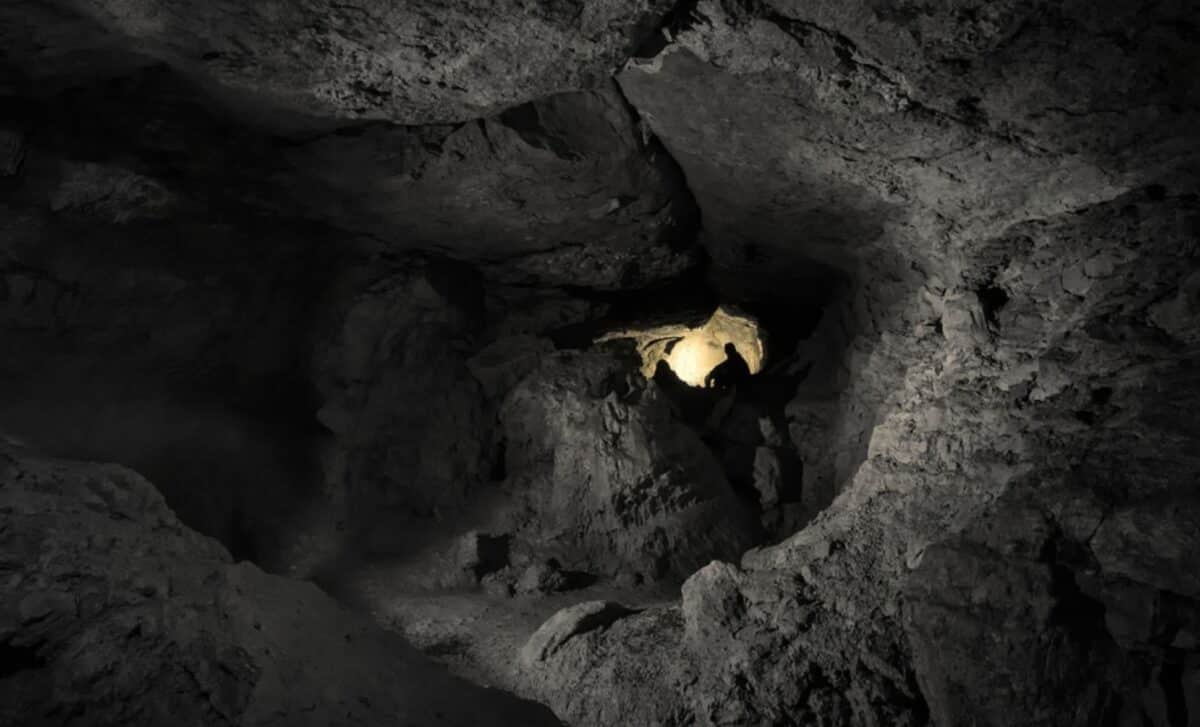
A massive underground cave in Saudi Arabia has become a time capsule, protecting 7,000 years of human history that the desert winds destroyed everywhere else.
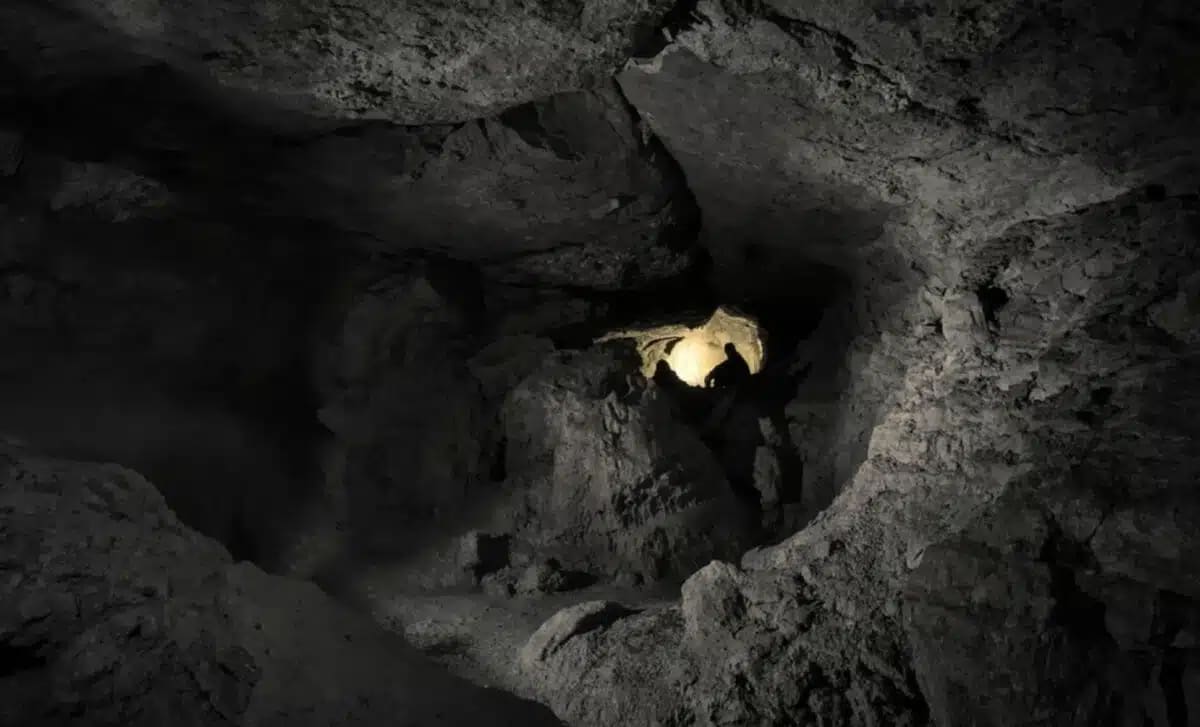
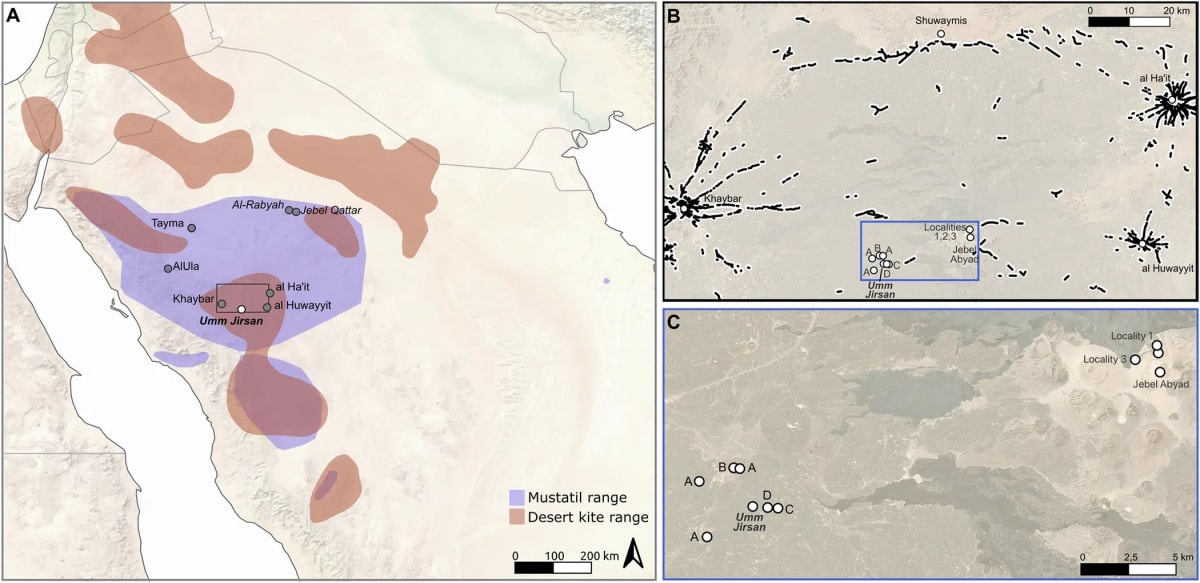
Umm Jirsan, a lava tube stretching deep beneath the sand about 125 kilometers north of Medina, shows clear evidence that livestock herders returned to this exact spot repeatedly from the Neolithic period through the Bronze Age. While Arabia's scorching heat and relentless wind typically erase archaeological traces within years, this underground shelter kept everything intact.
Researchers from Griffith University's Australian Research Centre for Human Evolution discovered that the cave wasn't just a one-time refuge. Generation after generation of herding communities stopped here as they moved their cattle, sheep, goats, and dogs across vast pastoral routes connecting different oases.
Rock art covering the cave walls depicts the animals that sustained these ancient communities. Animal bones scattered throughout the site tell an even richer story about how people adapted to changing conditions over thousands of years.
The bones reveal that livestock grazed on wild grasses and shrubs, exactly what still grows in the region today. But human diets shifted gradually, with evidence showing people incorporated more cultivated plants over time, suggesting the slow emergence of oasis agriculture rather than a sudden farming revolution.
The Ripple Effect
This discovery is rewriting what scientists thought possible in desert archaeology. Professor Michael Petraglia noted this represents the first comprehensive study of Saudi Arabian lava tubes, opening an entirely new avenue for understanding Arabia's ancient past.
Caves and lava tubes across the region may hold similar treasures, offering windows into human adaptation that surface excavations could never provide. In environments where traditional archaeological sites simply don't survive, these underground spaces preserve invaluable evidence of how communities thrived, traveled, and evolved.
Dr. Mathew Stewart explained that Umm Jirsan likely served as a crucial waypoint along herding routes, allowing mobile groups to sustain themselves across incredibly challenging landscapes. The cave reveals pastoral activities that once flourished in places we now consider too harsh for extended human presence.
These underground time capsules are proving that absence of surface evidence never meant absence of human life. They're showing us that ancient communities were far more mobile, adaptable, and connected than previously understood.
Beneath the world's harshest deserts, caves are keeping our history safe until we're ready to listen.
More Images

Based on reporting by Google News - Scientists Discover
This story was written by BrightWire based on verified news reports.
Spread the positivity!
Share this good news with someone who needs it