Ancient Croc Ancestor Learned to Walk on Two Legs as It Grew
Scientists discovered a poodle-sized crocodile ancestor that started life on four legs but switched to walking upright as an adult. The 215-million-year-old creature challenges what we know about how ancient animals moved.
Imagine a baby animal learning to walk on four legs, only to grow up and decide two legs work better.
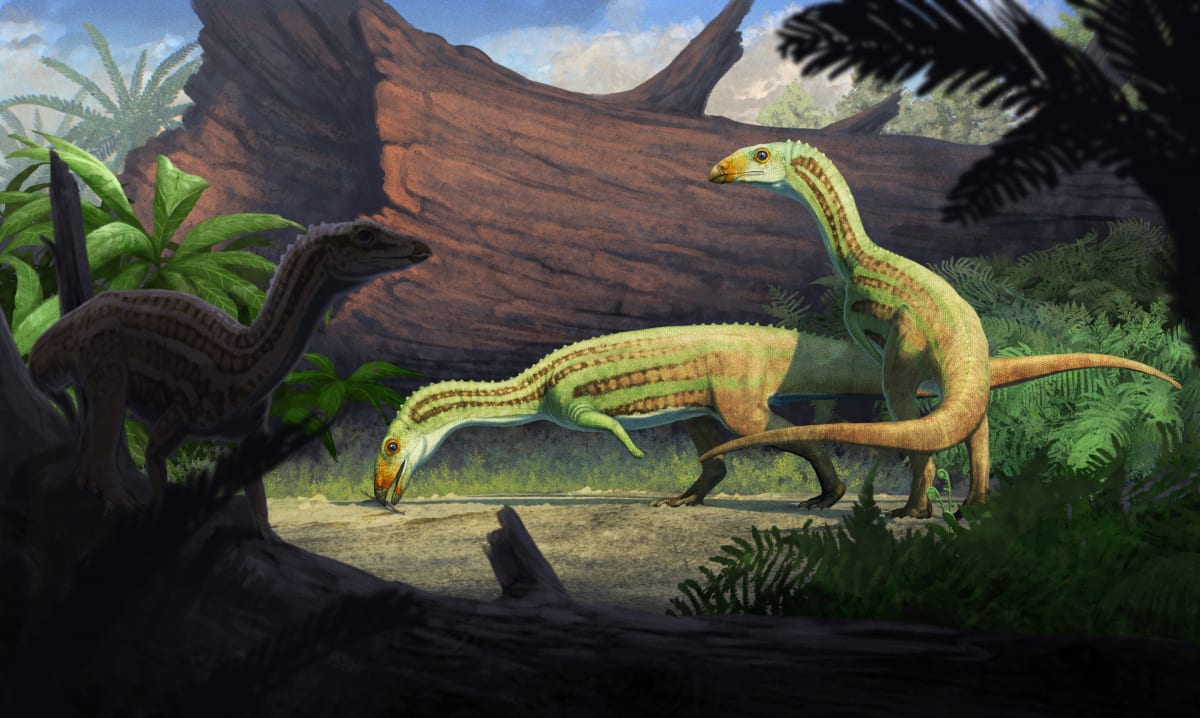
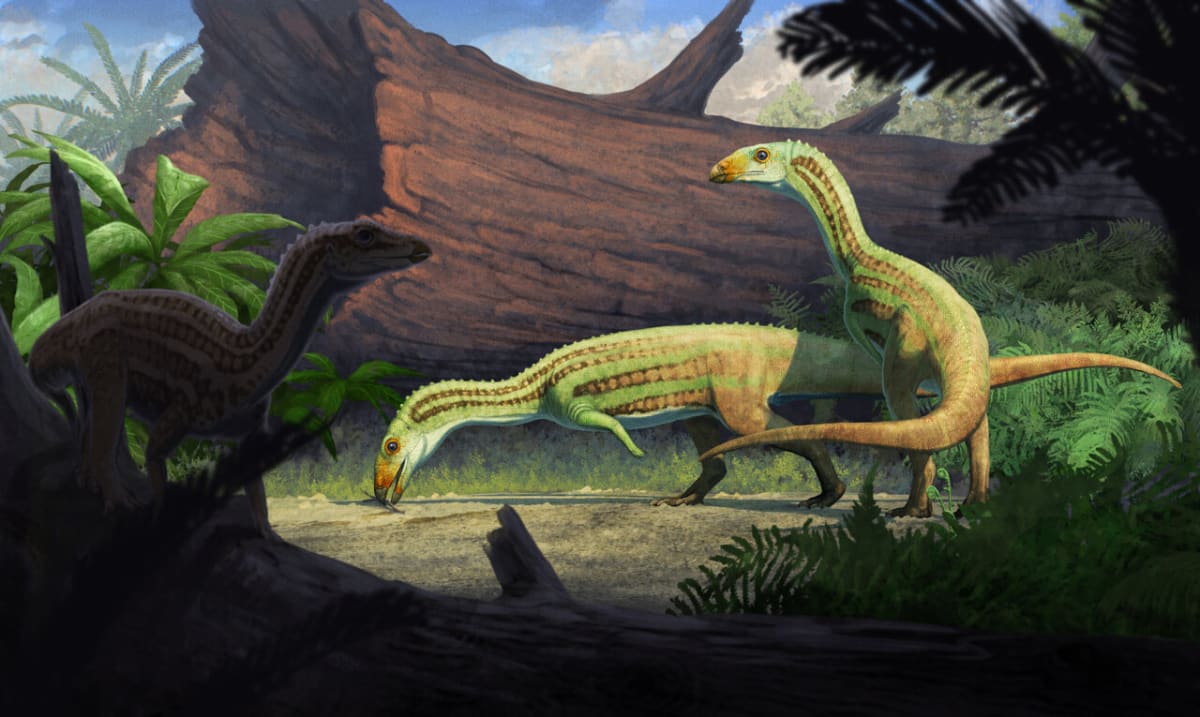
That's exactly what scientists believe happened with a newly discovered crocodile ancestor named Sonselasuchus cedrus. This poodle-sized reptile lived 215 million years ago in what is now Arizona's Petrified Forest National Park.
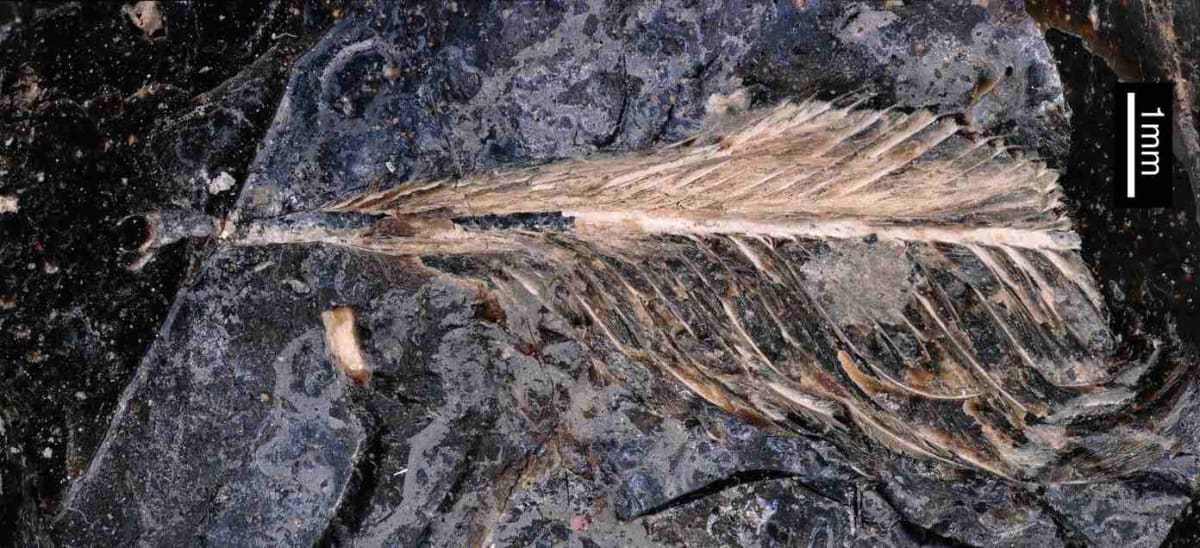
The discovery comes from an incredible fossil site that has produced over 3,000 bones in just 10 years of digging. Among them, researchers found 950 fossils of Sonselasuchus, giving them an unusually complete picture of how this creature lived and moved.
Lead author Elliott Armour Smith from the University of Washington noticed something strange in the proportions of the fossils. Younger animals had more balanced front and back legs, while adults had much longer, stronger hind legs. This led to a surprising conclusion published in the Journal of Vertebrate Paleontology.
"We think these creatures started out their lives on four legs and then started walking on two legs as they grew up," Smith explains. "This is particularly peculiar."
Standing about 25 inches tall, Sonselasuchus looked remarkably similar to the ornithomimid dinosaurs that lived in the same forests. It had a toothless beak, a large eye socket, and hollow bones. But here's the fascinating twist: these features evolved completely separately on the crocodile family tree.
The creature's name tells its own story. Sonselasuchus comes from the Sonsela rock formation where it was found, while cedrus represents the cedar-like trees that would have surrounded it in Late Triassic forests.
Why This Inspires
Professor Christian Sidor, who helped unearth the fossils in 2014, sees this discovery as proof that patience and persistence pay off in science. His team has been digging at the site for over a decade, involving more than 30 students and volunteers who get to touch history firsthand.
The site keeps delivering surprises beyond Sonselasuchus. Fish, amphibians, dinosaurs, and other reptiles have all emerged from the same bonebed, painting a vivid picture of an ancient ecosystem where evolution was trying out wild experiments.
"It's exciting to see that the site continues to produce new and interesting fossils," Sidor says. Each discovery adds another piece to the puzzle of how life adapted and changed over millions of years.
This research reminds us that nature has always been creative, finding unexpected solutions to the challenge of survival, one generation at a time.
More Images
Based on reporting by Google News - Science
This story was written by BrightWire based on verified news reports.
Spread the positivity!
Share this good news with someone who needs it