Ancient Deep-Sea Fossils Reveal Earth's First Moving Life
Scientists discovered 567-million-year-old fossils in Canada's remote mountains that show some of Earth's earliest creatures could move and reproduce sexually. The findings suggest complex life began in the deep ocean before gradually moving to shallow waters.
Deep in Canada's snow-covered Northwest Territories, scientists just found proof that life's biggest evolutionary leaps happened on an ancient seafloor more than half a billion years ago.
Researchers unearthed over 100 fossils of bizarre soft-bodied creatures that could move, eat, and reproduce in ways we'd recognize today. These aren't just old rocks. They're snapshots of the moment when simple life started acting like the animals we know.
The team, led by paleontologist Scott Evans from the American Museum of Natural History, took a 14-hour drive and a helicopter flight to reach the fossil site in the MacKenzie Mountains. What they found was worth every minute of the journey.
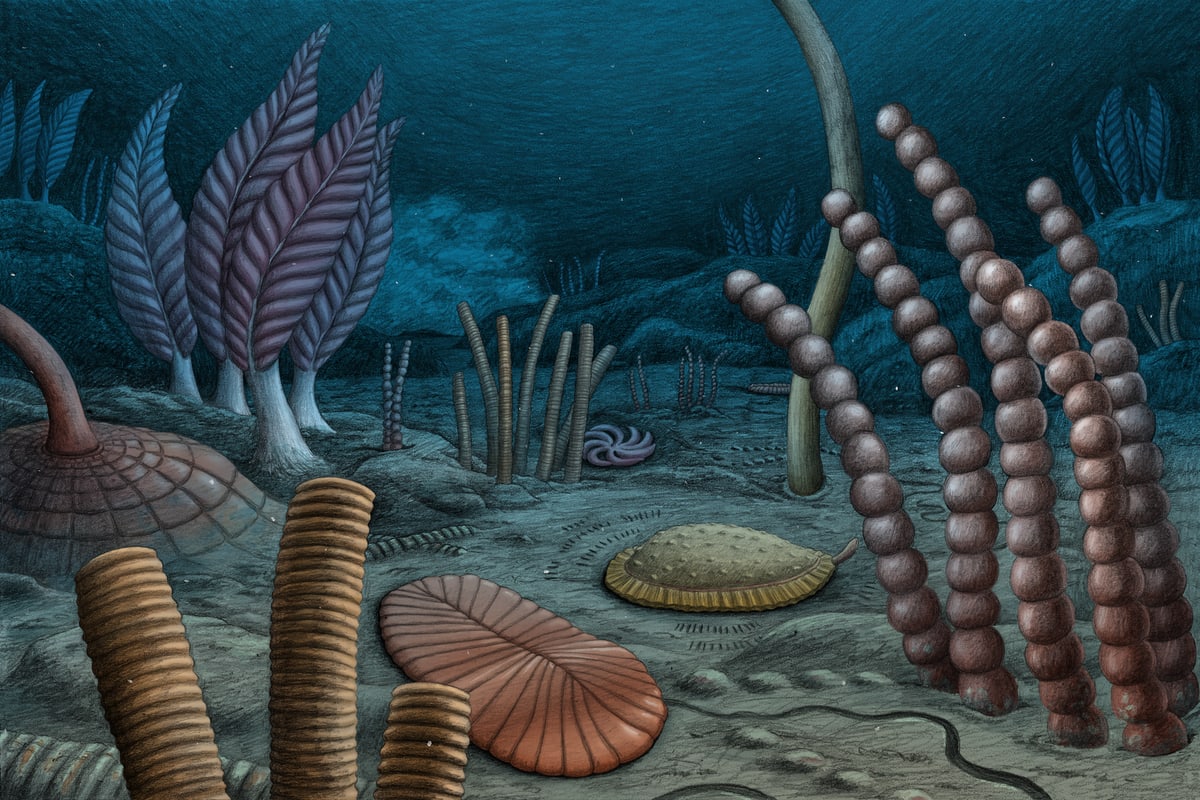
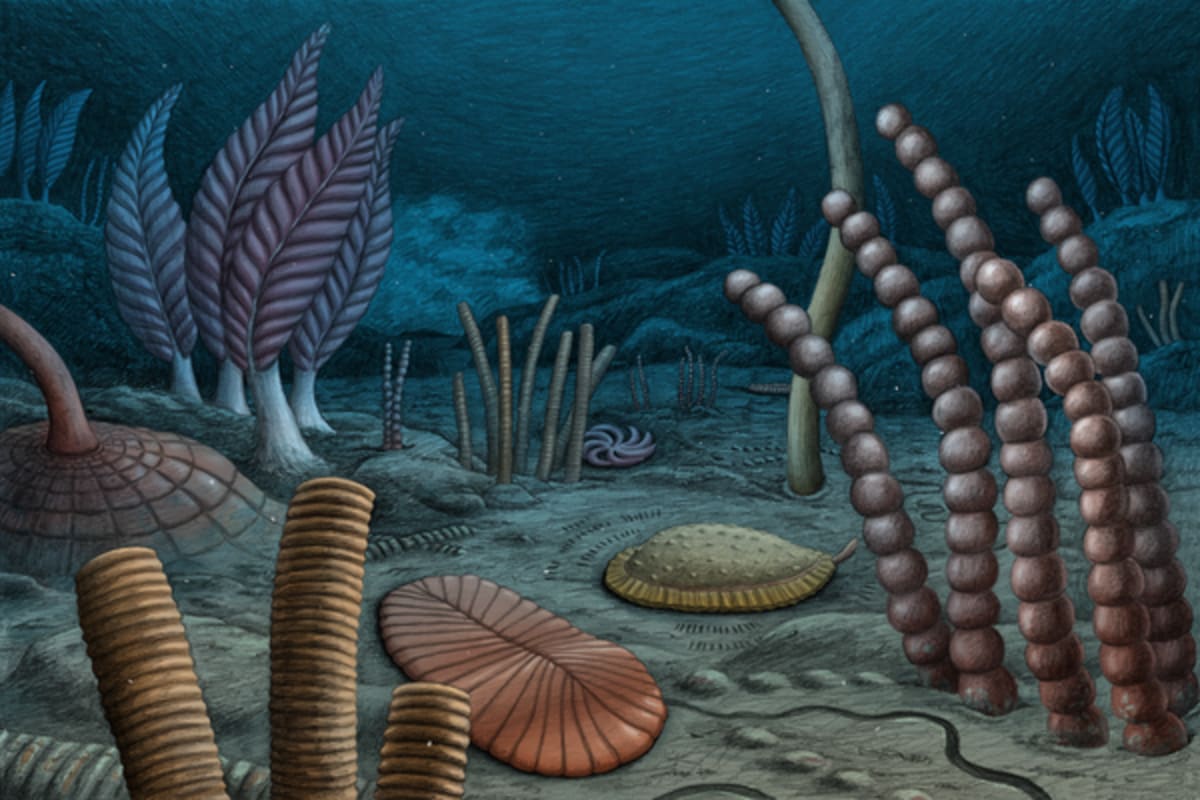
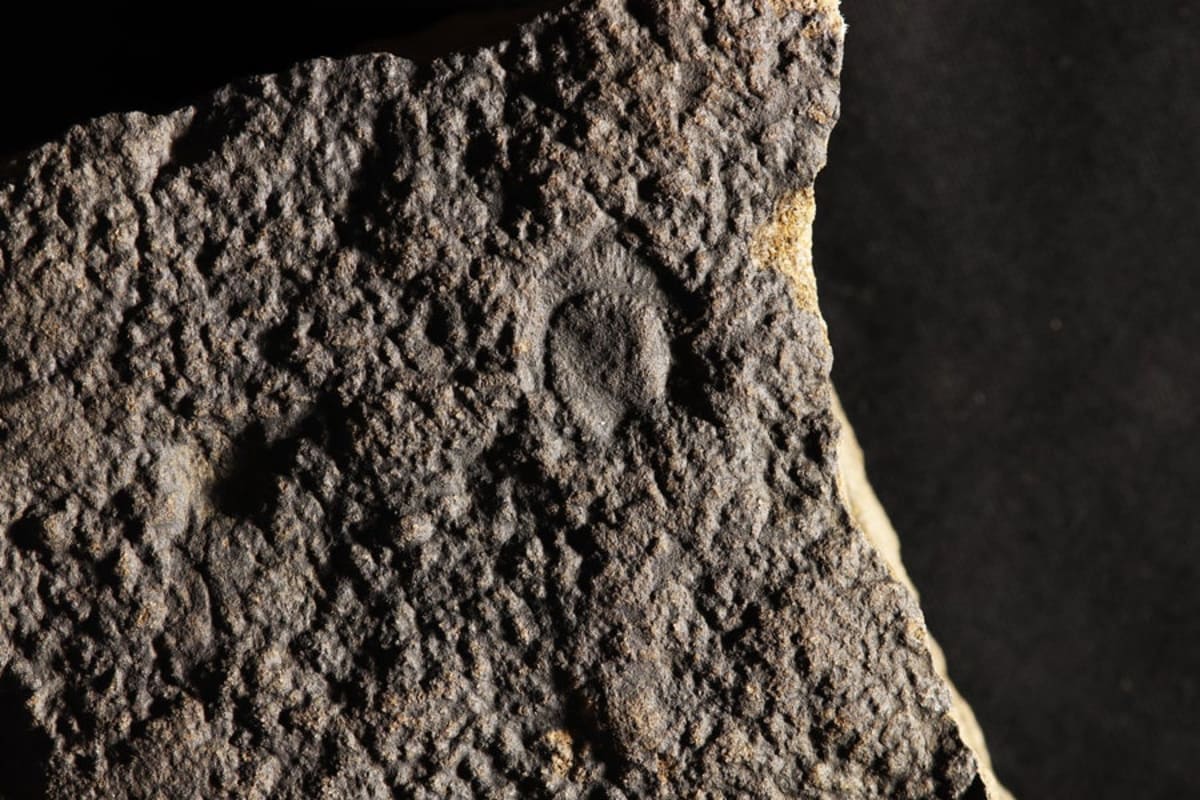
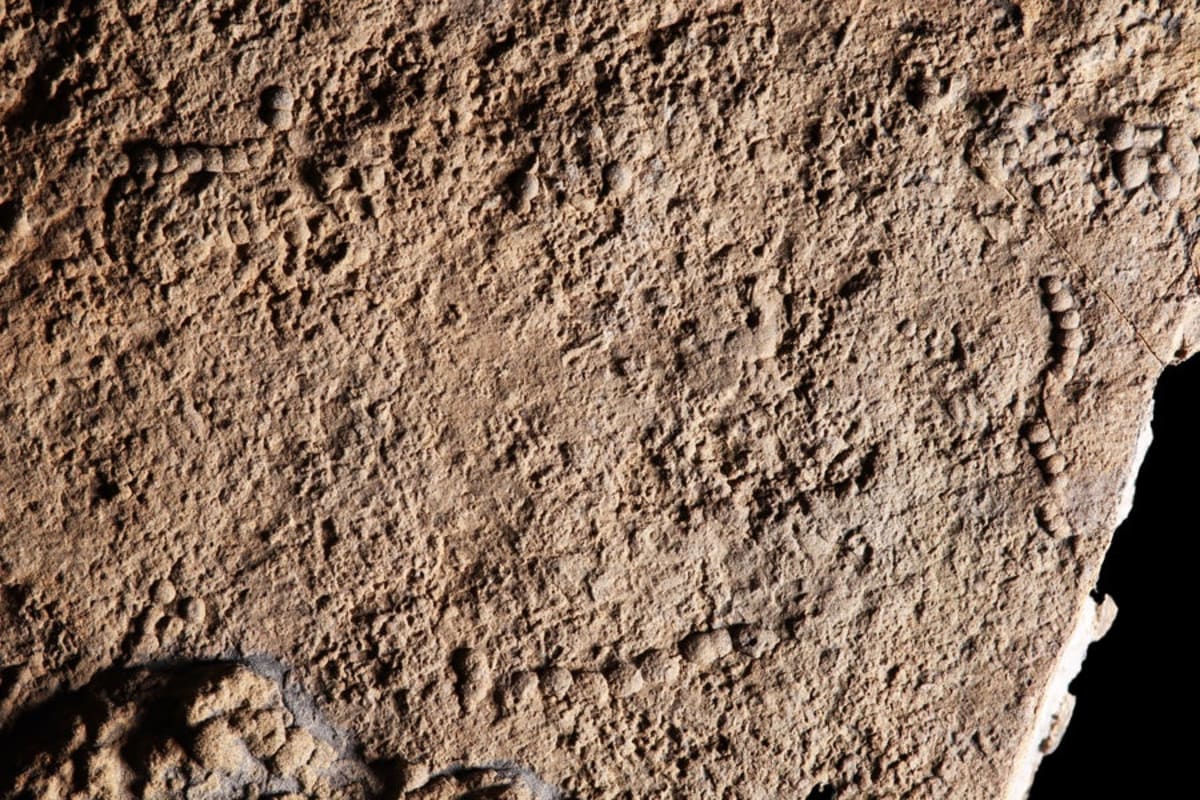
Among the discoveries was Dickinsonia, a frisbee-shaped creature that vacuumed up algae as it glided across the seafloor. There was also Kimberella, a teardrop-shaped animal that may be related to modern mollusks, and Funisia, tubular organisms that reproduced sexually by releasing sperm and eggs into the water like today's corals do.
Dating back 567 million years, these fossils push the timeline of complex animal life back by millions of years. Scientists previously thought simple stationary creatures were replaced by more advanced animals around 559 million years ago. Instead, the new evidence shows both groups lived side by side for millions of years.
The Bright Side
The deep ocean might seem like the last place you'd expect life to flourish. It's cold, dark, and far from the sun's energy. But that stability turned out to be exactly what early life needed.
Unlike shallow waters where temperatures and oxygen levels swing wildly, the deep sea stays remarkably constant. Evans explains that this predictability gave ancestral animals a safe place to evolve their game-changing abilities. Once they figured out how to survive one set of conditions, they were set.
The discovery flips conventional wisdom about evolution on its head. Usually, animals move from shallow to deep environments over time. These fossils suggest Earth's first complex creatures did the opposite, starting in the stable depths before venturing toward sunlit shallows.
Mary Droser, a paleontologist at UC Riverside who reviewed the research, says the findings fundamentally change how we understand the Ediacaran period. This era preceded the famous Cambrian explosion when life diversified dramatically.
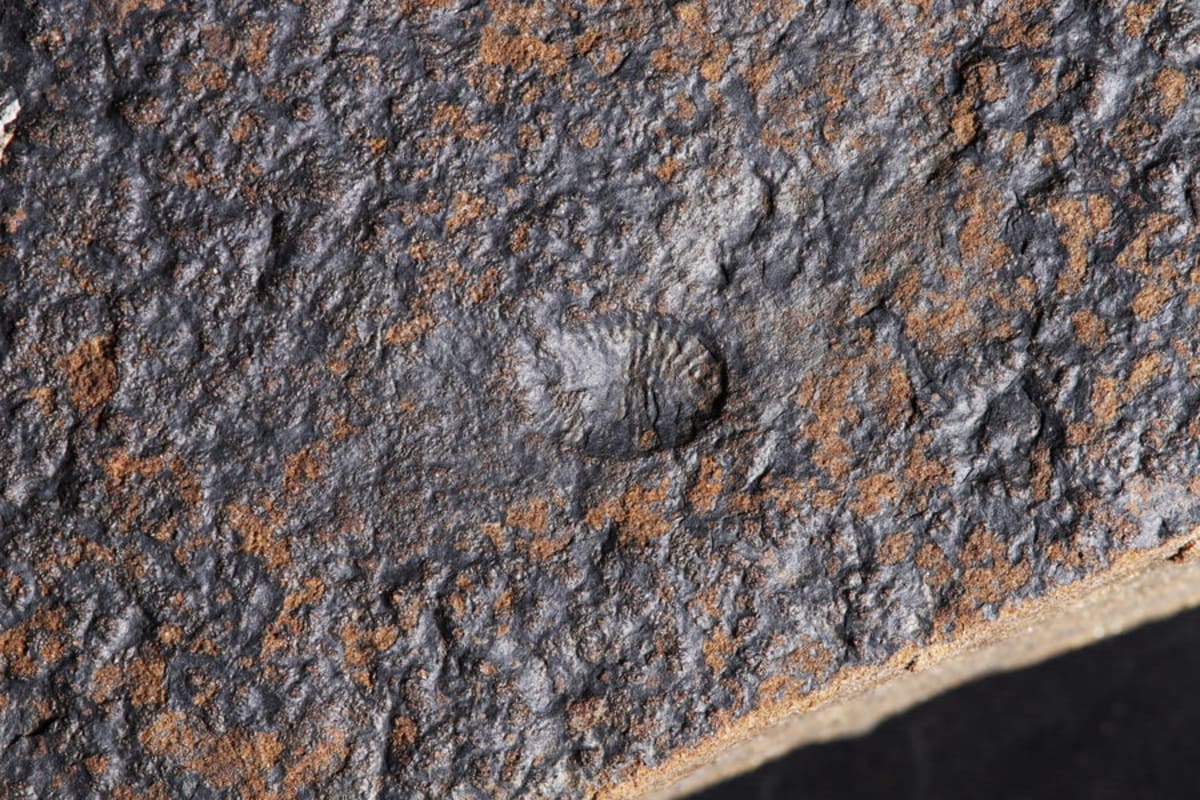
The fossils were preserved as detailed imprints on mud-colored rock slabs. Scientists can tell the area was once deep ocean because the rocks show no ripples or wave patterns that would indicate shallow water.
These wrinkled pancakes, fleshy fronds, and spiral-shaped critters represent our earliest moving, sexually reproducing ancestors, and they thrived in Earth's most unexpected nursery.
More Images
Based on reporting by Scientific American
This story was written by BrightWire based on verified news reports.
Spread the positivity!
Share this good news with someone who needs it
%2Fhttps%3A%2F%2Ftf-cmsv2-smithsonianmag-media.s3.amazonaws.com%2Ffiler_public%2Faa%2F5c%2Faa5cdffc-5bdb-4949-bd7c-03e89903fd60%2Flife_reconstruction_hd.jpg)