Thailand Confirms Largest Dinosaur Ever Found in Southeast Asia
A pile of bones spotted by a local resident near a Thai pond in 2016 turned out to be a 27-ton, 89-foot sauropod—the biggest dinosaur ever discovered in Southeast Asia. After nearly a decade of careful excavation and analysis, scientists have confirmed the new species and named it Nagatitan, honoring both Thai mythology and the region's ancient past.
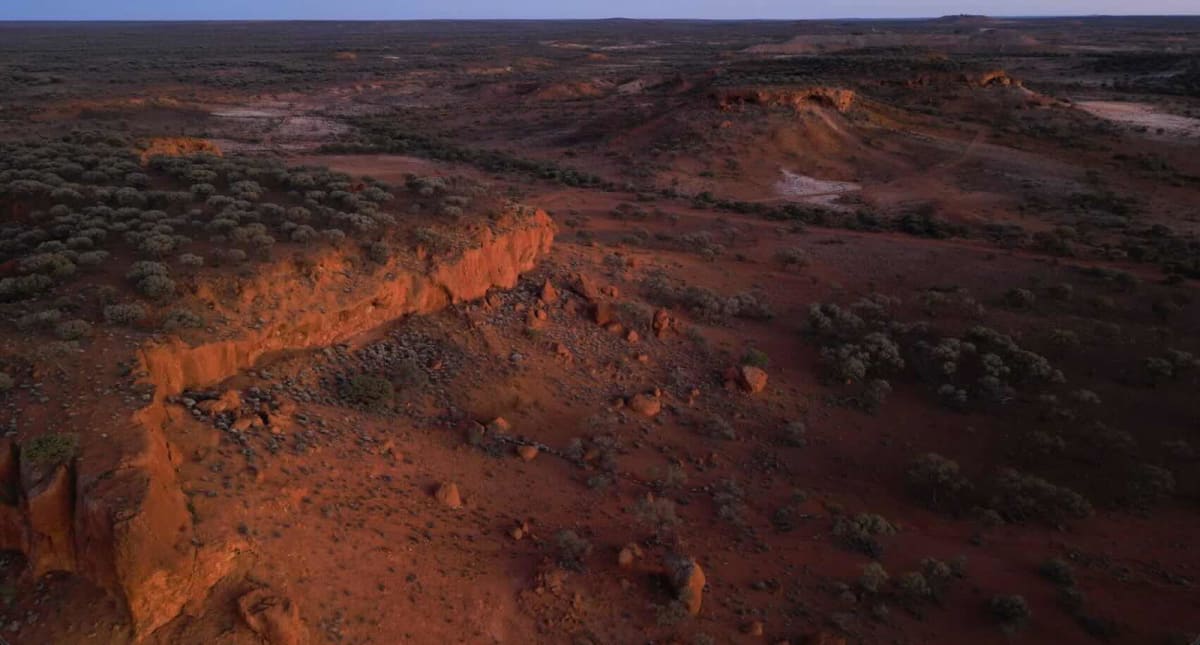
When water levels dropped in a northeastern Thailand pond during the 2016 dry season, a local resident in Chaiyaphum province noticed something unusual along the bank: massive bones, clearly ancient, jutting from the earth. That casual discovery just became one of Southeast Asia's most significant paleontological finds.
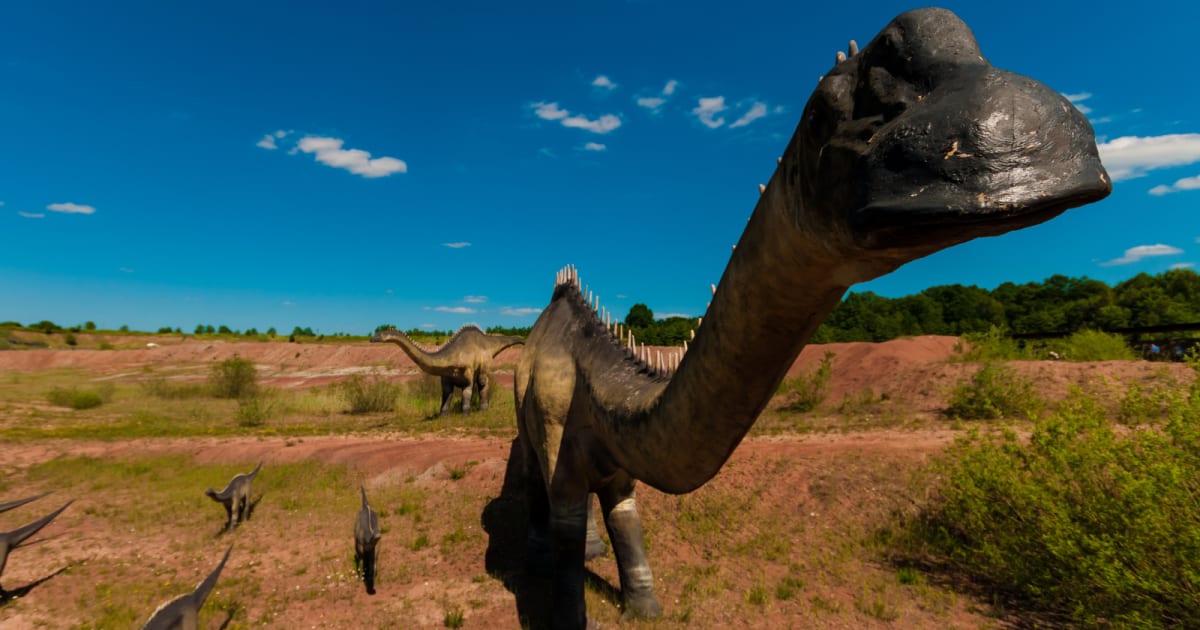
After nearly ten years of excavation, cleaning, and analysis, researchers confirmed on May 14, 2026, that those bones belonged to an entirely new species of long-necked dinosaur. The creature, now named Nagatitan chaiyaphumensis, measured roughly 89 feet long and weighed about 27 tons—equivalent to nine adult Asian elephants stacked together.
The excavation itself was a marathon effort spanning multiple field seasons from 2016 to 2019, with additional work continuing through 2024. Paleontologists recovered vertebrae, ribs, pelvic bones, and leg bones from the site. One front leg bone alone measured nearly six feet tall—taller than lead researcher Thitiwoot Sethapanichsakul, who said seeing it gave him an immediate sense of the animal's staggering size.
Nagatitan belongs to Euhelopodidae, a family of long-necked, plant-eating dinosaurs found only in Asia. The team, which includes Thai paleontologists working with researchers from University College London and several Thai universities, identified the new species by comparing unique features in its spine, pelvis, and legs against other known sauropods.
Why This Inspires
The name itself tells a beautiful story of cultural collaboration. "Naga" references the mythological water serpent from Thai folklore, grounding the dinosaur in local tradition. "Titan" nods to the Greek giants, emphasizing the creature's exceptional size. The species name honors Chaiyaphum province, forever connecting this ancient giant to the community where it was found.
Scientists nicknamed it "the last titan" because the fossils came from Thailand's youngest dinosaur-bearing rock formation, dating back 100 to 120 million years. After this period, the region became a shallow sea, meaning Nagatitan may be the largest dinosaur the geological record of Southeast Asia will ever reveal.
A local resident's curiosity during a dry season, combined with years of dedicated scientific work, has given Thailand and the world a window into an ancient past we're still discovering.
Based on reporting by Google News - Science
This story was written by BrightWire based on verified news reports.
Spread the positivity!
Share this good news with someone who needs it