Scientists Create Customizable Protein Cages Like Viruses
Researchers have successfully designed artificial protein cages that mimic nature's most efficient structures, opening doors to breakthrough drug delivery systems and new medical treatments. These microscopic containers can be programmed to specific sizes and may revolutionize how we treat diseases.
Scientists just cracked one of nature's most elegant engineering puzzles, creating artificial protein cages that work like tiny, programmable delivery trucks for medicine.
A research team has designed two-component protein structures that self-assemble into sphere-like cages, mimicking the clever architecture viruses use to protect their contents. These aren't just impressive under a microscope. They represent a major leap forward in our ability to deliver drugs and treatments exactly where the body needs them.
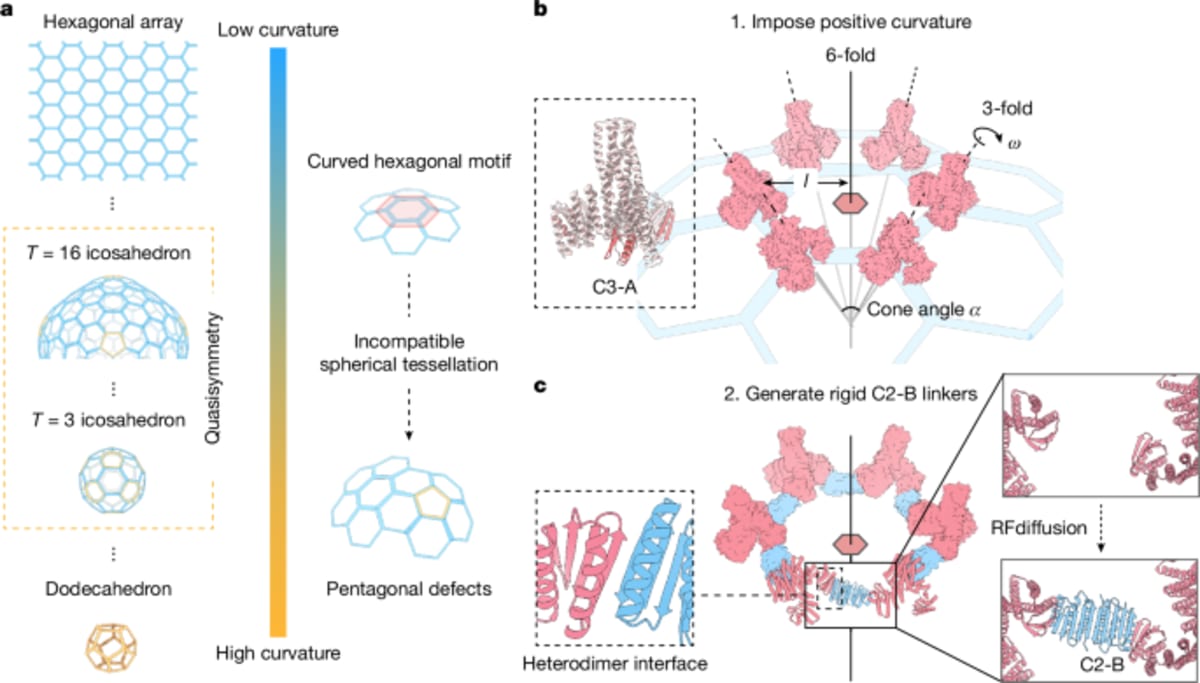
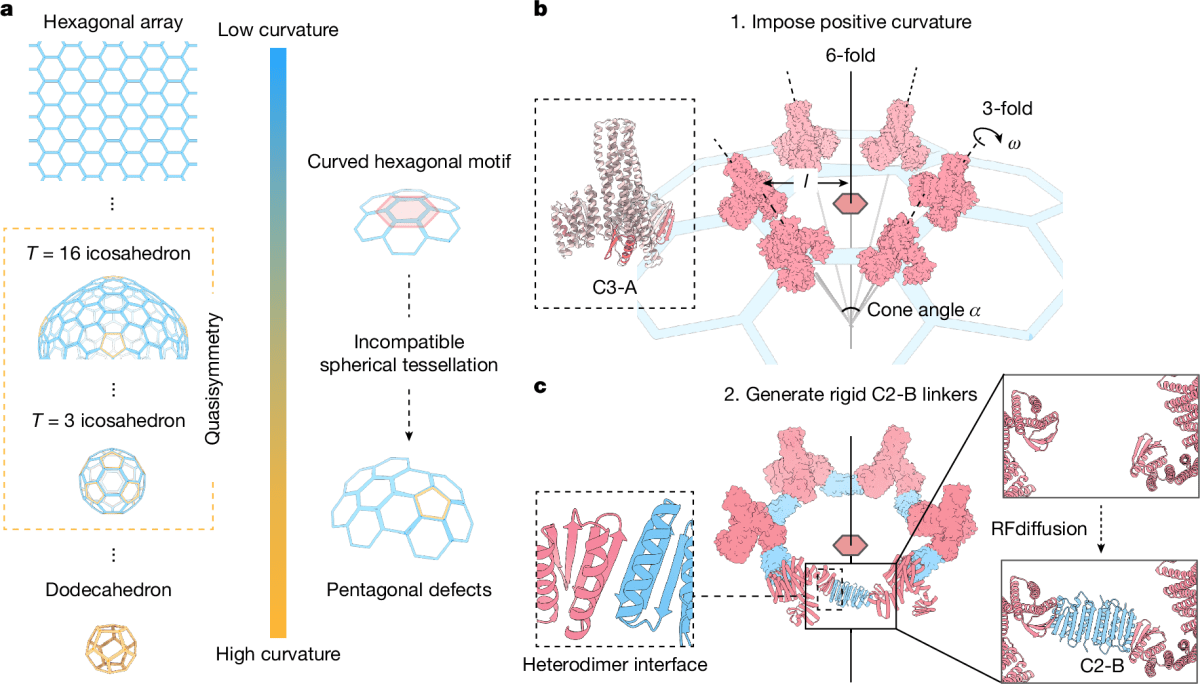
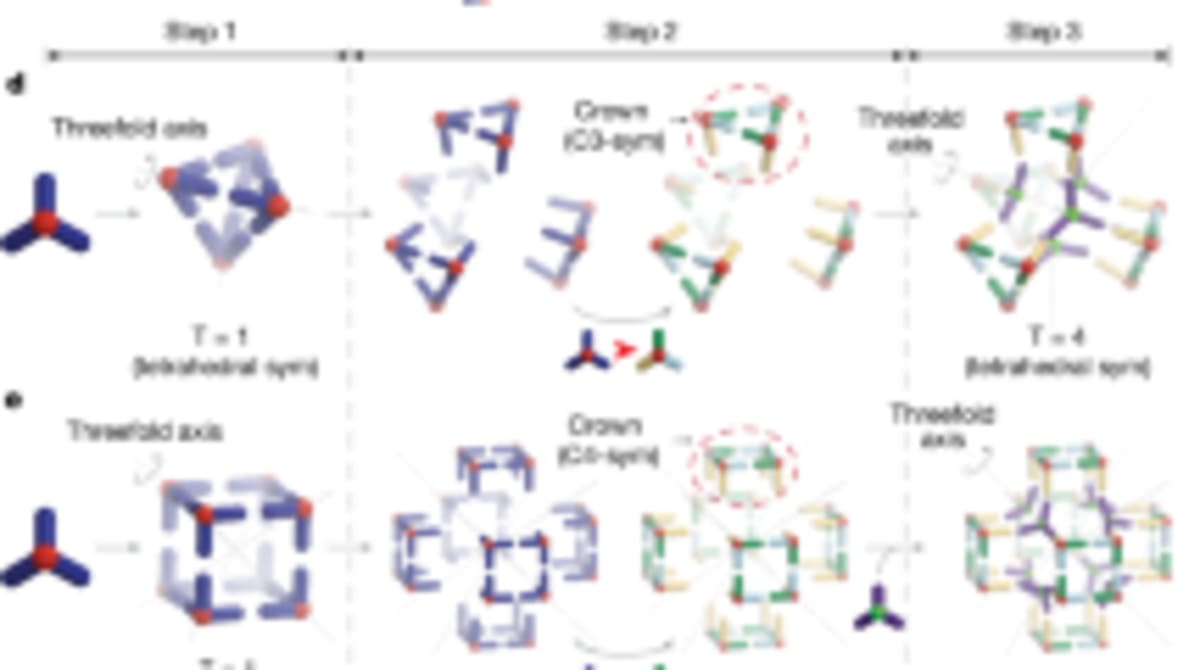
The breakthrough centers on something called "quasisymmetry," a design principle nature perfected over millions of years. Virus shells achieve their incredible strength and efficiency by arranging proteins in patterns that include both pentagons and hexagons, like a microscopic soccer ball. Until now, recreating this in a lab remained frustratingly out of reach.
The team solved this by designing complementary protein pieces that naturally want to fit together. When mixed, these components spontaneously assemble into closed cages ranging from 40 to over 200 nanometers in diameter. That's like building houses that construct themselves once you deliver the materials to the site.
What makes this especially exciting is the customization potential. By adjusting the design of just one component, researchers can program the exact size of the finished cage. Need a tiny container for a small drug molecule? Done. Require a larger vessel for gene therapy materials? Also possible.
The practical applications arrived quickly. The team already demonstrated these cages can carry cargo into cells and function as tools for studying how different-sized objects move through living tissue. When tested in mammalian cells, the fluorescently labeled cages helped researchers understand how cell environments respond to particles of various sizes.
The Ripple Effect
This achievement extends far beyond the laboratory bench. These programmable protein cages could transform drug delivery, making treatments more targeted and effective while reducing side effects. Cancer medications could be packaged to release only at tumor sites. Gene therapies might reach previously inaccessible tissues.
The technology also provides researchers with new tools for understanding basic cell biology. By watching how these cages move through living cells, scientists gain insights into diseases and potential treatments. Each discovery builds on the last, creating a cascade of medical advances.
Perhaps most inspiring is what this represents for computational protein design. The same approaches used here could help engineers create other biological tools we've only imagined, from better vaccines to environmental cleanup systems.
Nature spent eons perfecting quasisymmetric structures, and now human ingenuity has caught up, giving us the power to build molecular machines with endless possibilities for healing.
More Images
Based on reporting by Google News - Technology
This story was written by BrightWire based on verified news reports.
Spread the positivity!
Share this good news with someone who needs it