Canada Fossils Show Complex Life Began in Deep Sea
Scientists discovered 100+ fossils in Canada's remote mountains that push back the timeline for Earth's earliest moving, sexually reproducing creatures by millions of years. The deep ocean, not shallow waters, may have been life's nursery.
Scientists just found proof that some of Earth's first complex animals were thriving in the deep sea 567 million years ago, rewriting our understanding of where life learned to move and reproduce.
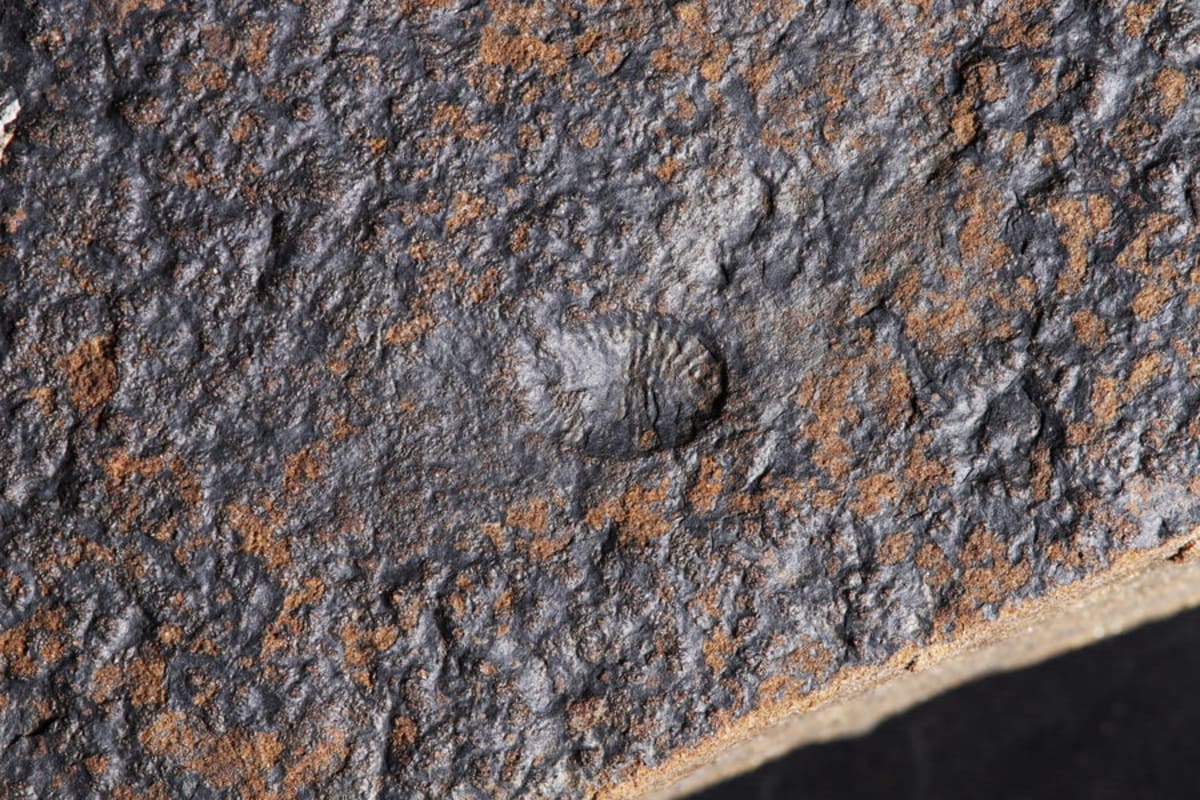
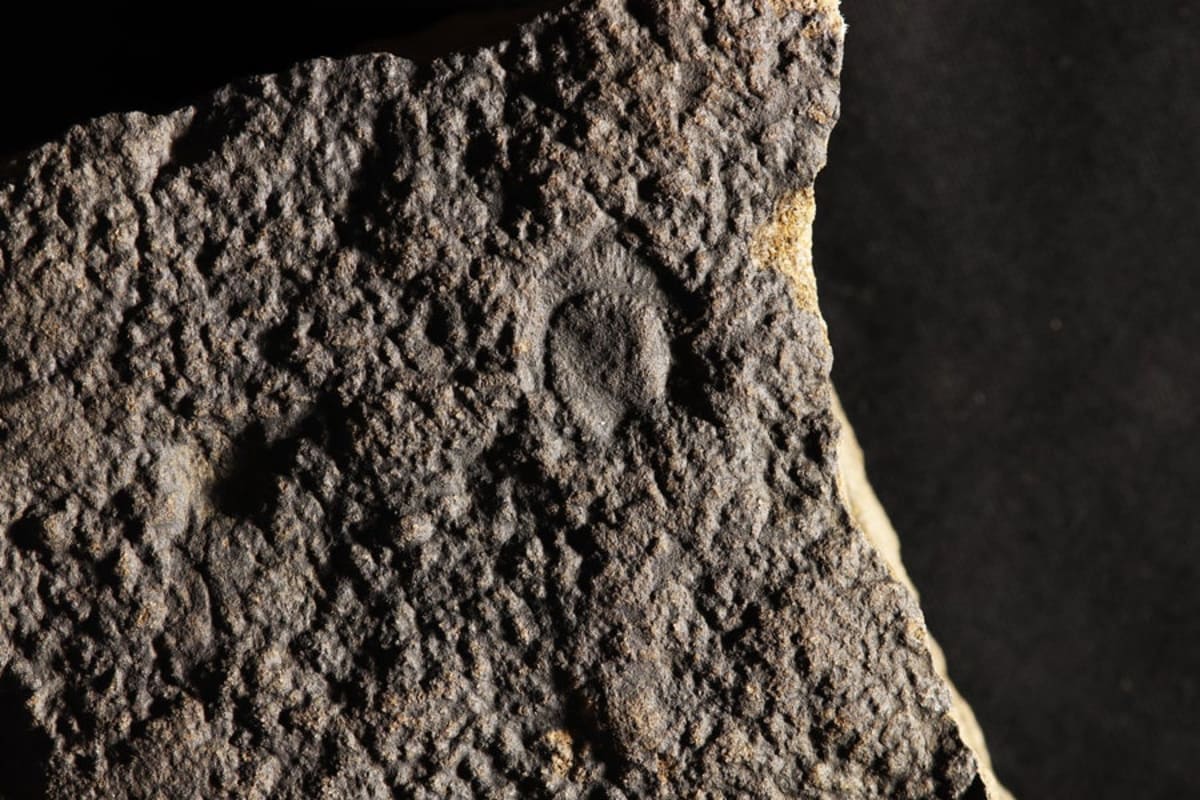
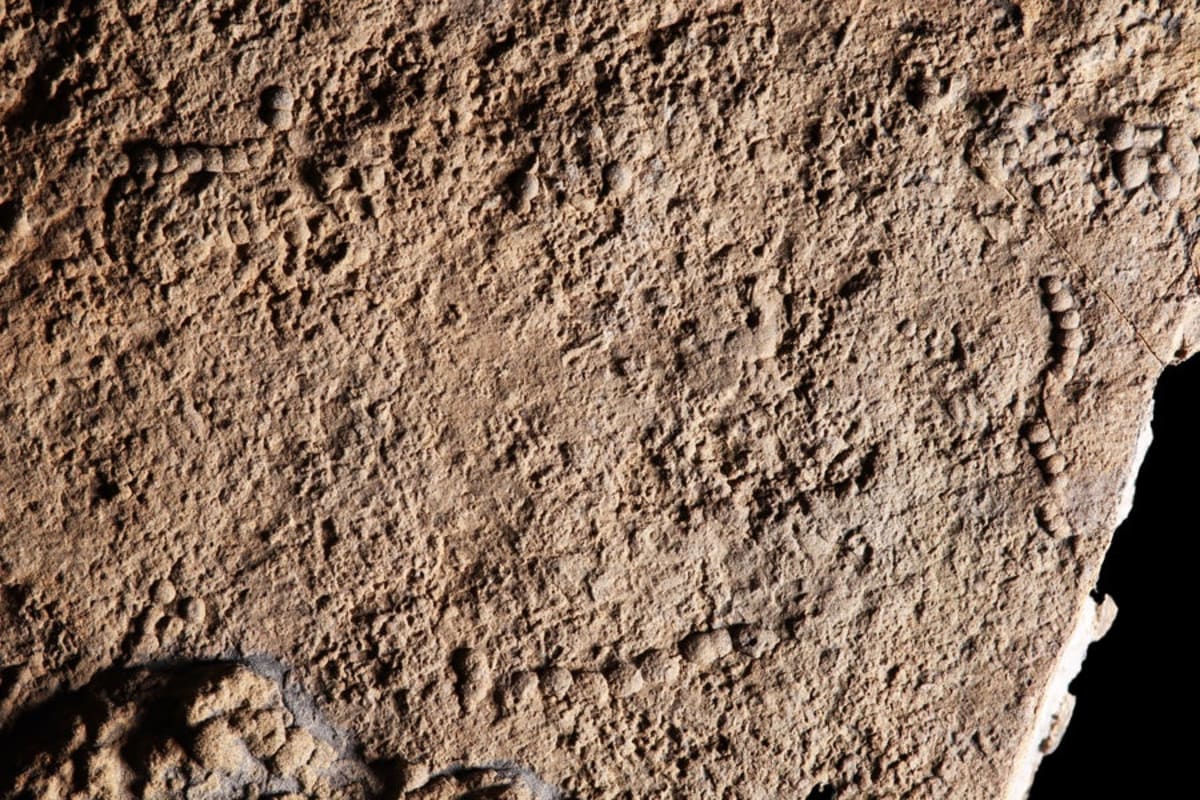
Researchers hauled more than 100 fossils out of Canada's Mackenzie Mountains after a grueling 14-hour drive and helicopter ride. What they found were imprints of bizarre creatures that represent major evolutionary milestones: animals that could move around and reproduce sexually for the first time.
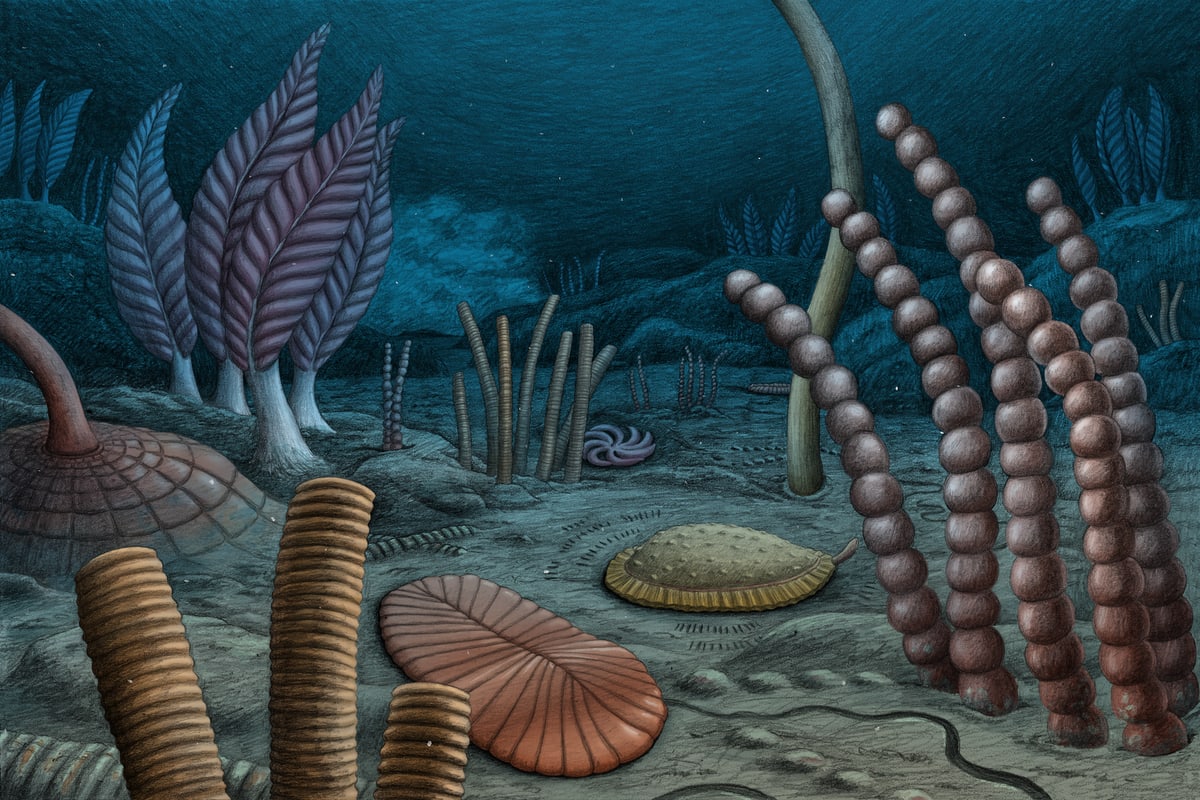
Among the discoveries was Dickinsonia, a frisbee-shaped creature that slid along the ocean floor vacuuming up algae through its belly. Scientists also found Kimberella, a teardrop-shaped animal that scraped food from rocks and may be related to modern clams and snails.
Perhaps most exciting were fossils of Funisia, tube-shaped organisms that were among the first creatures ever to reproduce sexually. Like today's coral, they released sperm and eggs into the water, marking a revolutionary moment in the history of life.
The discovery extends the timeline for complex animal life by about 8 million years. Paleontologists previously thought these advanced creatures didn't appear until around 559 million years ago, but the new fossils prove they existed much earlier.
Why This Inspires
The location of these fossils tells an unexpected story about life's origins. The rock formations show no ripples or wave patterns, meaning this area was once the deep ocean floor, far from sunlight and warmth.
This challenges the long-held belief that life started in shallow waters. Instead, the perpetually dark, cold deep sea may have been the perfect nursery for Earth's first complex animals.
The stability of the deep ocean, with its constant temperatures and oxygen levels, gave early life a chance to evolve without dramatic environmental shifts. Once creatures figured out how to survive in those steady conditions, they were set for success.
Study lead Scott Evans from the American Museum of Natural History puts it simply: "If you can figure out one temperature, you're good to go." The deep sea's predictability may have been exactly what life needed to take its first bold steps toward complexity.
From those ancient depths, life eventually moved to shallow waters and eventually onto land, setting the stage for every creature alive today.
More Images
Based on reporting by Google: scientific discovery
This story was written by BrightWire based on verified news reports.
Spread the positivity!
Share this good news with someone who needs it

%2Fhttps%3A%2F%2Ftf-cmsv2-smithsonianmag-media.s3.amazonaws.com%2Ffiler_public%2Faa%2F5c%2Faa5cdffc-5bdb-4949-bd7c-03e89903fd60%2Flife_reconstruction_hd.jpg)