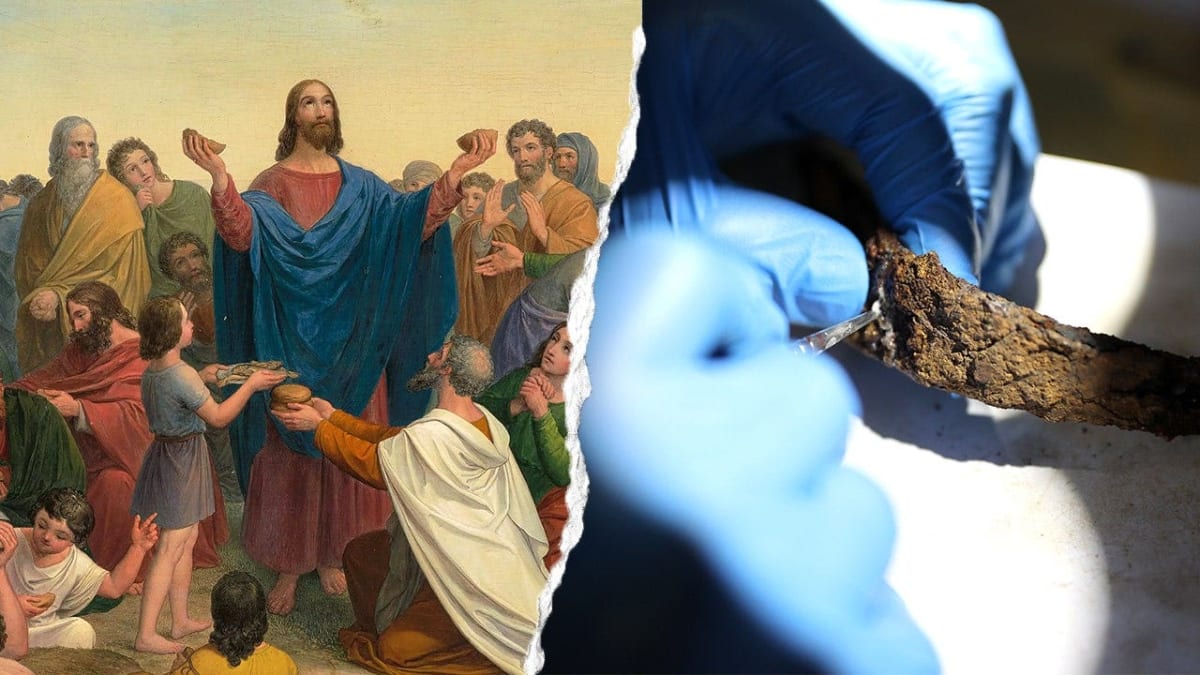
Ancient Humans Treasured Fossils 500,000 Years Ago
Archaeologists in Israel discovered 10 rare stone hand axes deliberately crafted around fossils and geodes by Homo erectus up to 500,000 years ago. The find suggests our ancient ancestors saw cosmic meaning in these geological wonders, challenging what we thought we knew about early human spirituality.
Imagine finding a beautiful fossil and feeling compelled to build something meaningful around it. Our ancestors felt the same way half a million years ago.
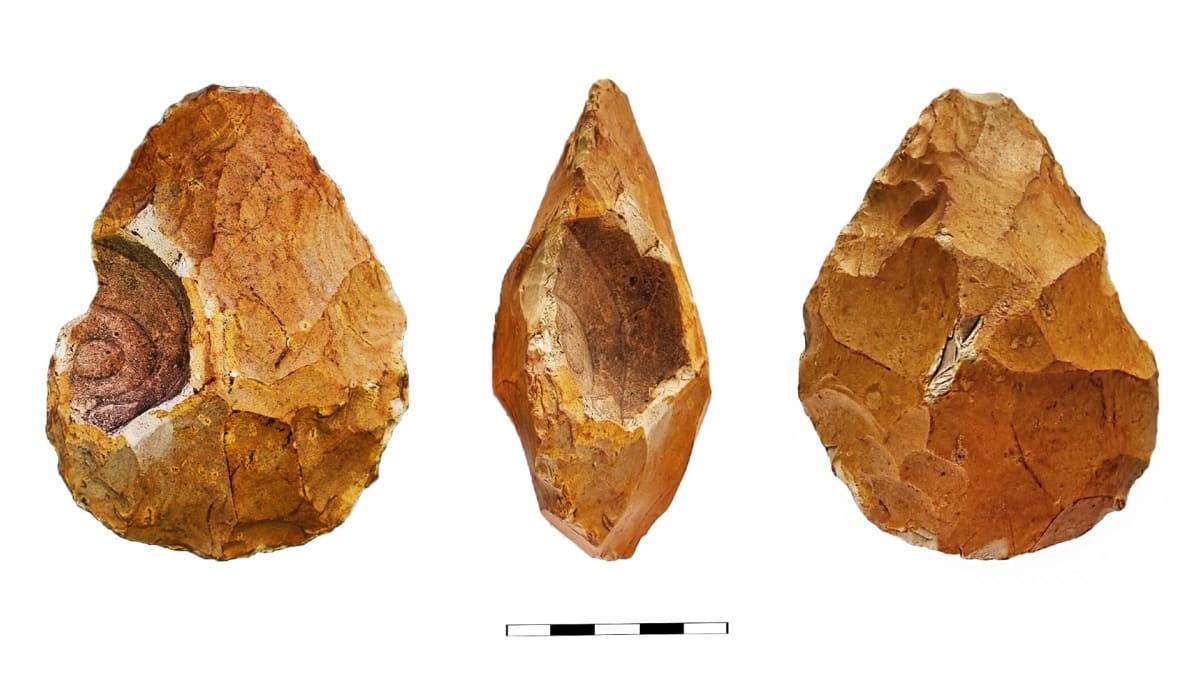
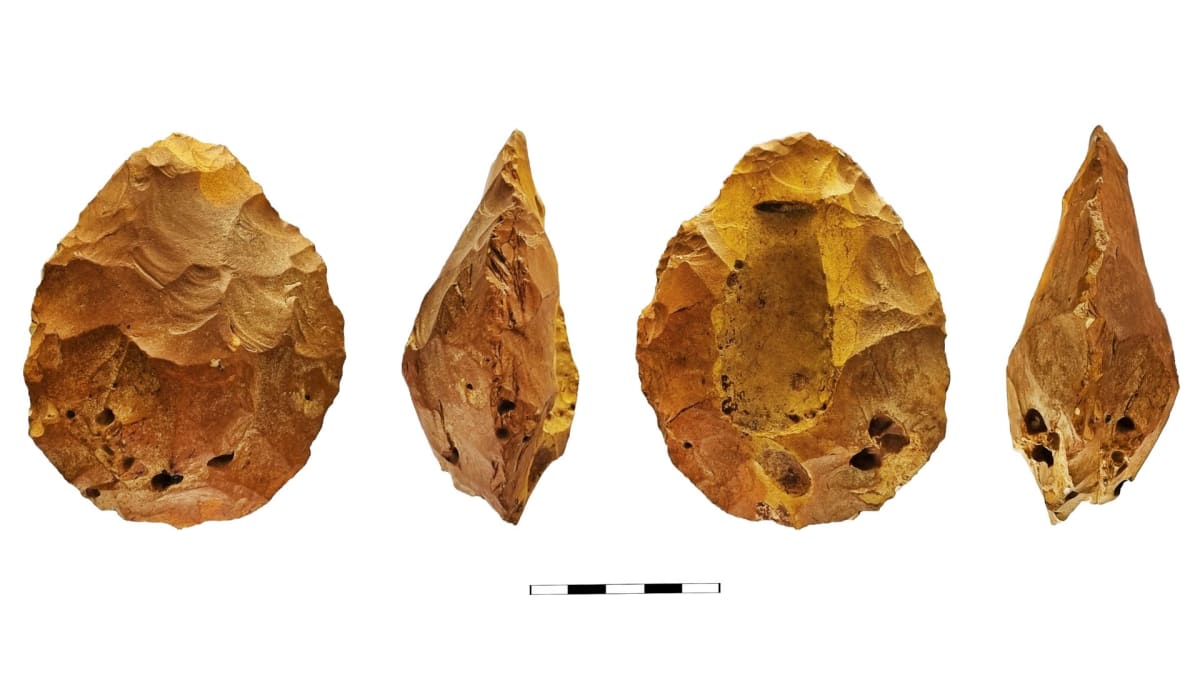
Researchers in Israel's Sakhnin Valley uncovered more than 200 ancient stone hand axes, including 10 extraordinary tools deliberately shaped to preserve fossils, geodes, and other geological features within them. These tools, created by Homo erectus between 500,000 and 200,000 years ago, represent the largest concentration of such artifacts ever found in one place.
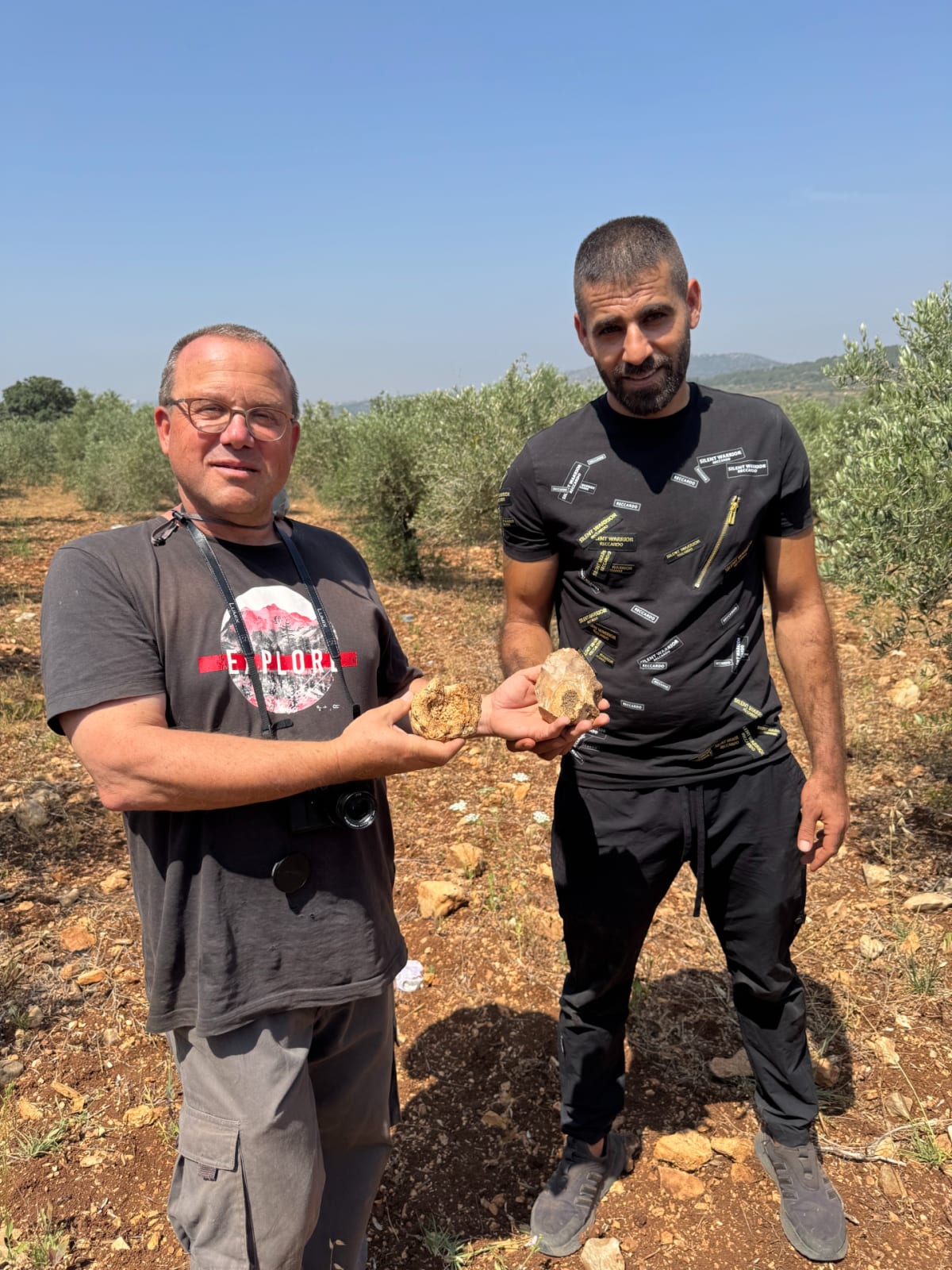
Local resident Muataz Shalata first spotted several ordinary hand axes in the valley and immediately contacted archaeologist Ran Barkai at Tel Aviv University. A dedicated survey in 2025 revealed the full treasure trove, including tools with mini cave-like hollows, ripple patterns, and ancient fossils embedded in their surfaces.
Here's what makes this discovery remarkable: These features made the tools harder to create and more fragile to use. The fossils and geodes created "true obstacles" for the toolmaker, Barkai explained, making the stone more brittle and difficult to shape.
Yet Homo erectus workers went out of their way to include them anyway. This wasn't accident or convenience. It was choice.
Why This Inspires
The researchers believe these early humans saw something sacred in these unusual rocks. They may have recognized fossils as traces of a primordial world and believed they held special power.
This curiosity about extraordinary objects appears across cultures and time periods, even in other primates today. It suggests wonder is woven into who we are as a species.
The tools were primarily used to butcher large animals, especially elephants, which were central to early human survival. Some hand axes were even replicated using elephant bones, revealing a deep three-way connection the researchers call "the holy triad of elephants, stone and water."
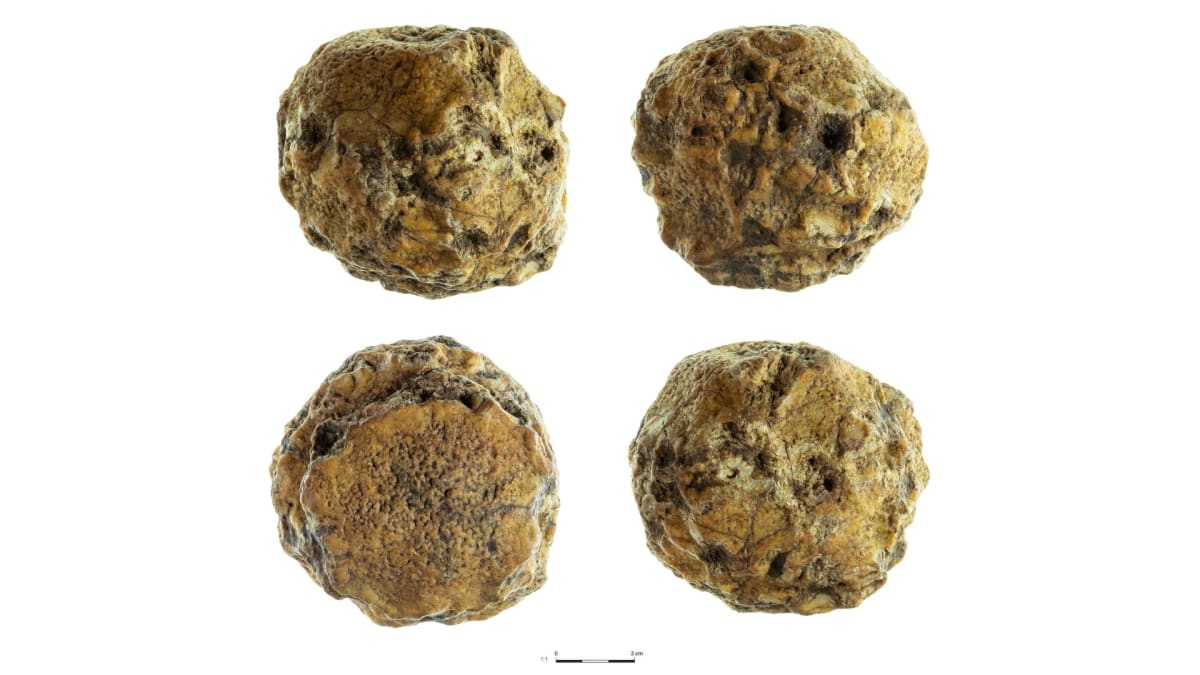
One discovery stands out: a stone ball painstakingly shaped from a geode with no practical purpose whatsoever. Someone spent hours creating something beautiful simply because it mattered to them.
The Ripple Effect
This find settles a long-running debate about whether early humans consciously noticed geological features or stumbled upon them by accident. Finding 10 such tools in one location proves deliberate intention.
It also pushes back the timeline for human spiritual thinking. These ancient toolmakers didn't just survive; they sought meaning, beauty, and connection with forces beyond themselves.
When elephant populations declined in the region, early humans faced enormous stress. Perhaps these special tools offered comfort, a way to honor what sustained them and maintain connection to something larger than daily survival.
Five hundred thousand years later, we still seek meaning in the natural world around us.
More Images
Based on reporting by Live Science
This story was written by BrightWire based on verified news reports.
Spread the positivity!
Share this good news with someone who needs it