Ancient Monastery From Christianity's Dawn Found in Egypt
Archaeologists just uncovered a 1,600-year-old monastery in Egypt's desert, revealing how the world's first monks lived, prayed, and built their faith. The discovery sheds new light on the birthplace of monasticism itself.
A massive monastery dating back to the earliest days of Christianity has been discovered in Egypt's Wadi El-Natrun desert, offering a rare window into the lives of the faith's very first monks.
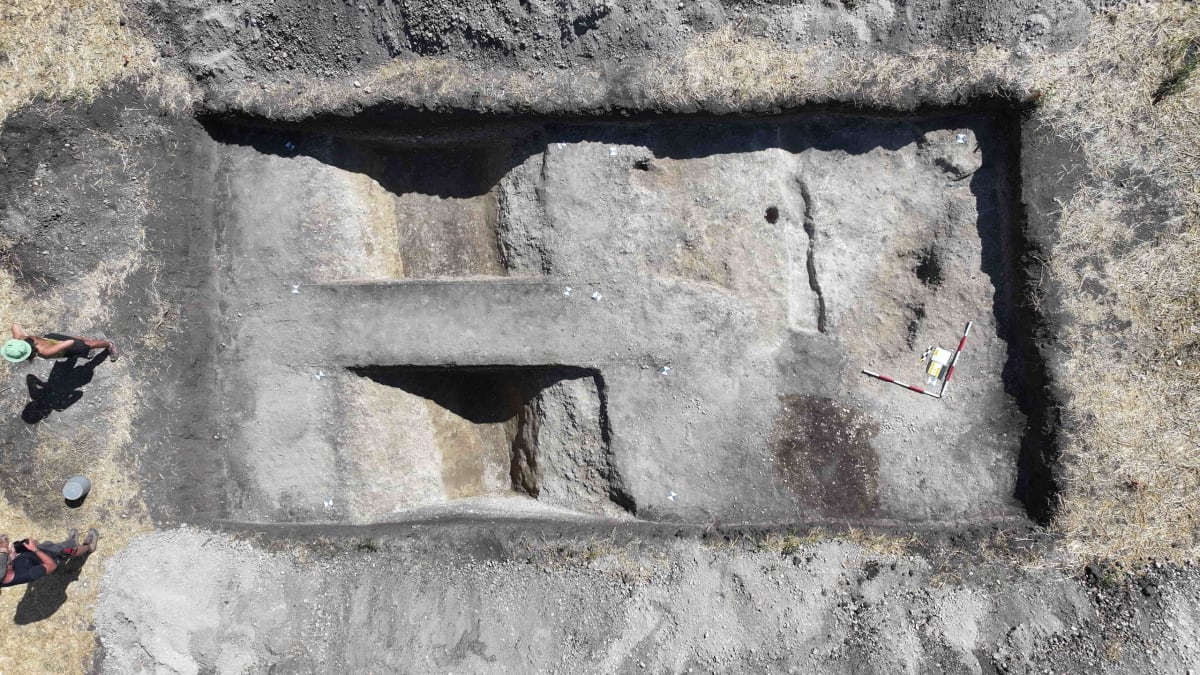
The Egyptian Ministry of Tourism and Antiquities announced the find in late March. The mudbrick complex spans over 21,000 square feet and dates from the fourth to sixth centuries A.D., right when monasticism was born.
Wadi El-Natrun holds special significance as one of the most important centers where monastic life first emerged. From this desert region, the practice of monks dedicating their lives to prayer and solitude spread across the entire world.
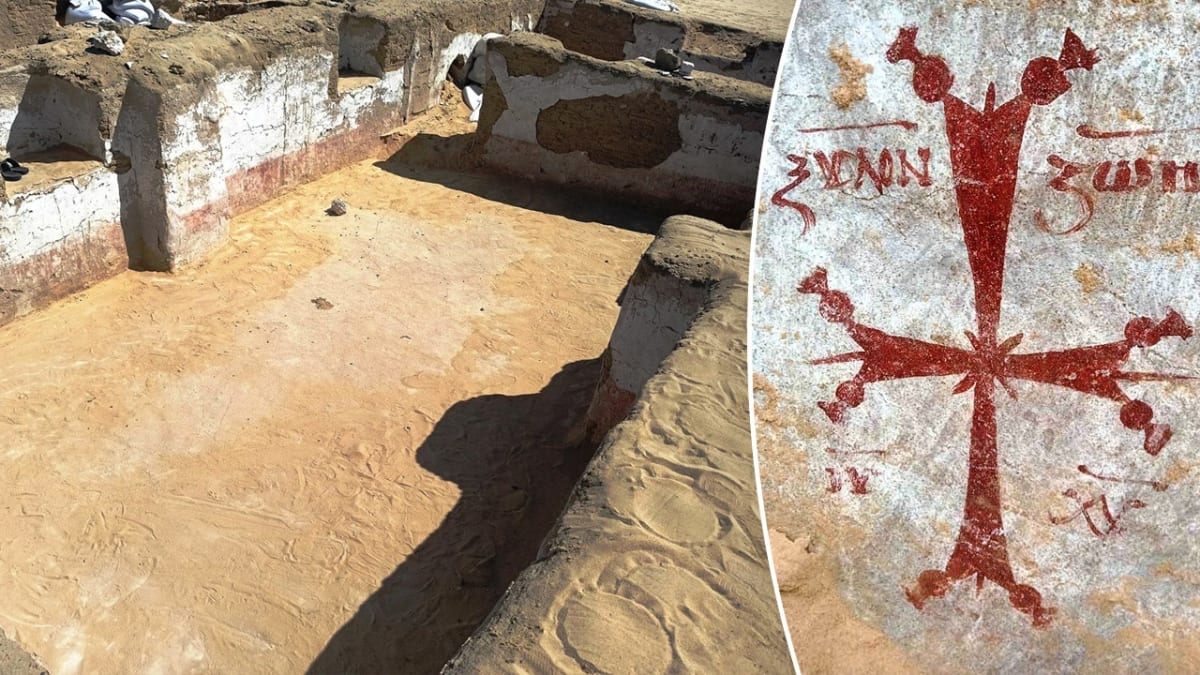
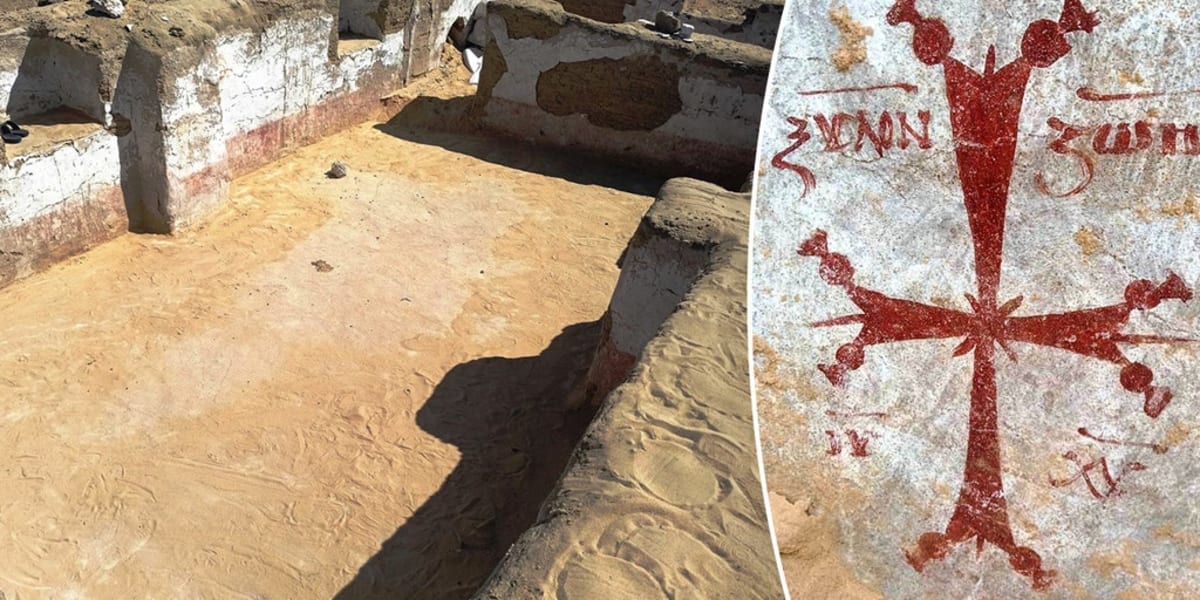
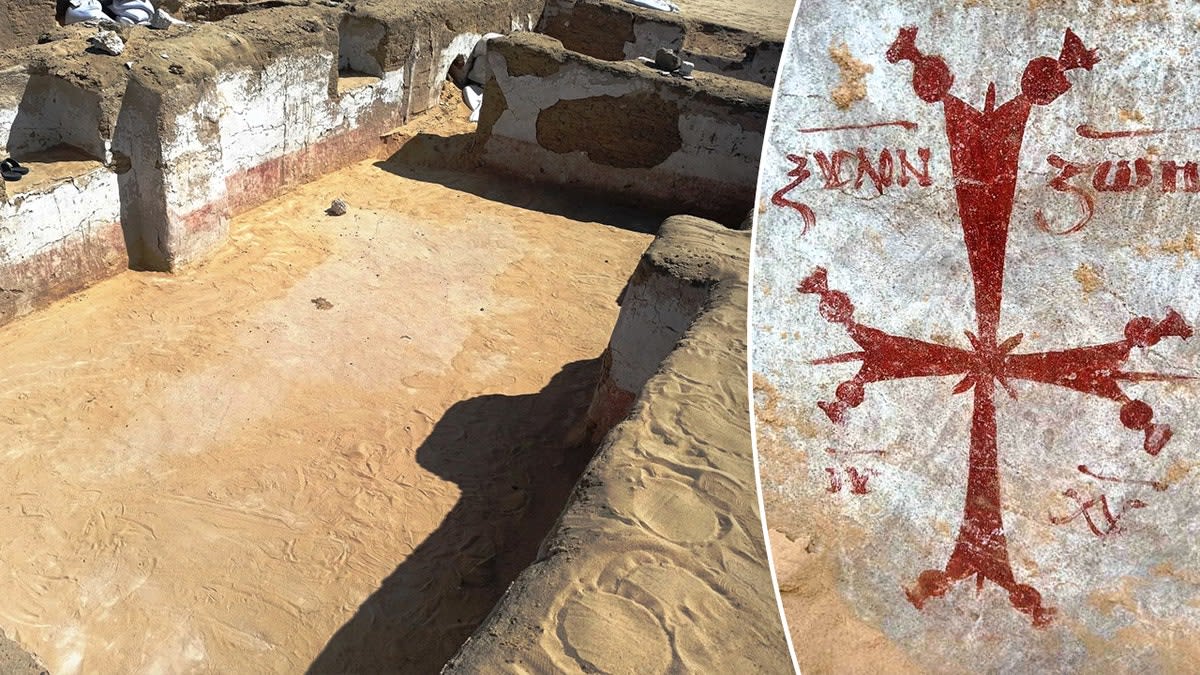
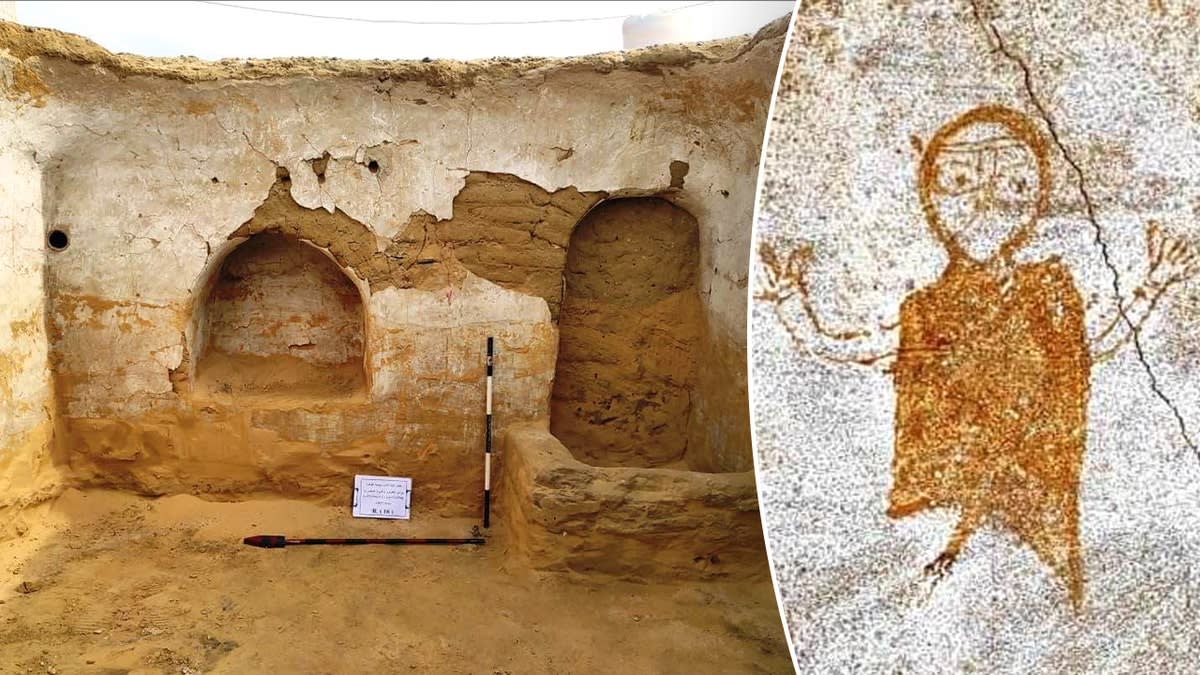
The sprawling site features an open courtyard surrounded by buildings that once housed everything needed for monastic life. Archaeologists found monks' cells, kitchens, ovens, and storage areas, all remarkably preserved beneath the desert sand.
The walls still bear white plaster decorated with paintings of crosses, palm trees, and geometric patterns. The ceilings showcase early architectural innovation, with domes and vaults constructed entirely from mudbrick.
Perhaps most moving are the inscriptions scratched into the walls. Excavators discovered the names of individual monks who lived there, along with religious texts asking for mercy and forgiveness, creating an intimate connection across sixteen centuries.
Human skeletal remains believed to belong to the monks themselves were also uncovered. The presence of burial spaces within the complex reveals how tightly knit these early religious communities were, living and resting together in their desert sanctuary.
Why This Inspires
This discovery does more than add artifacts to a museum. It connects us directly to people who shaped one of the world's major spiritual traditions at its very beginning.
These monks chose lives of simplicity and devotion in the harsh desert, creating a model that millions would follow. Their handwritten prayers for forgiveness remind us that despite the centuries between us, human hopes and struggles remain remarkably similar.
Sherif Fathy, Egypt's minister of tourism and antiquities, emphasized the ministry's commitment to integrating Coptic heritage sites into tourism offerings. The goal is to enrich visitors' experiences while highlighting Egypt's extraordinary cultural legacy.
The find represents the third major monastic discovery in Egypt just this year. Another complex was announced days earlier in the same region, and a Byzantine-period monastery was found in Sohag Governorate in January.
Each discovery adds pieces to the puzzle of understanding how early Christian communities organized their lives, built their shelters, and sustained their faith in isolation.
A direct line connects those desert monks to monasteries still operating worldwide today, making this ancient site a living part of religious history.
More Images
Based on reporting by Fox News Latest Headlines (all sections)
This story was written by BrightWire based on verified news reports.
Spread the positivity!
Share this good news with someone who needs it