Ancient Sea Life 10 Million Years Older Than We Thought
Scientists just discovered fossils in Canada's remote mountains that push back the timeline of complex animal life by up to 10 million years. Even more surprising: our earliest ancestors may have started in the deep ocean, not shallow waters like we've always believed.
The story of where animals first evolved just got rewritten, and it turns out we've been looking in the wrong place all along.
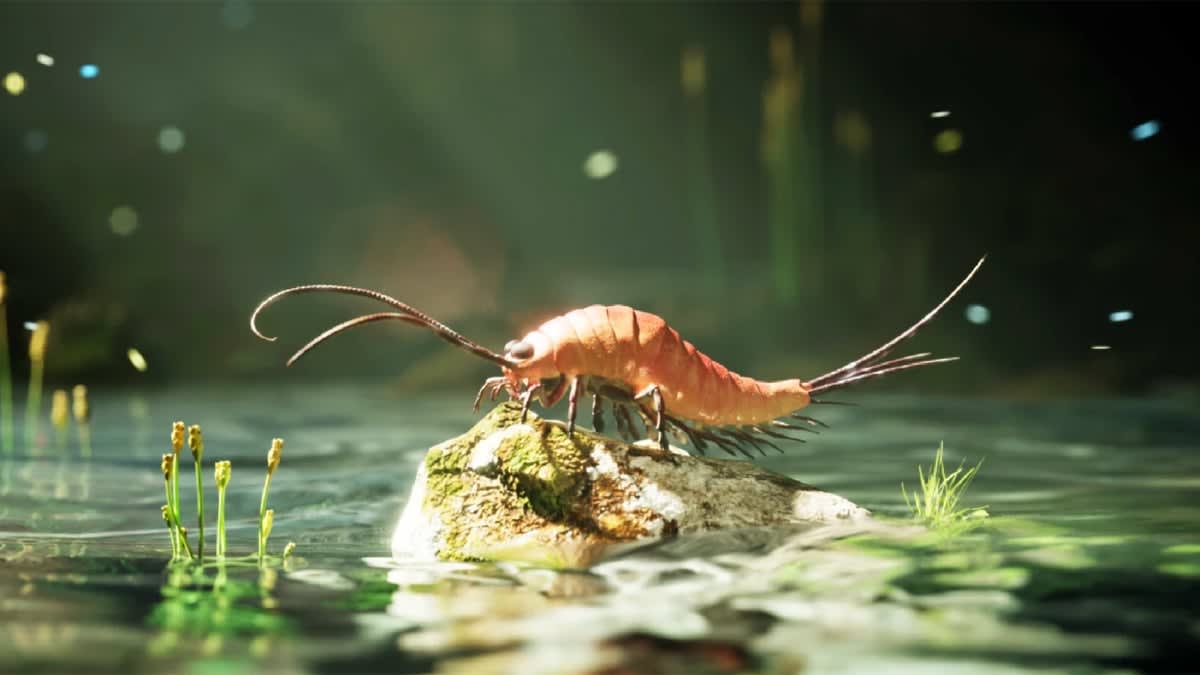
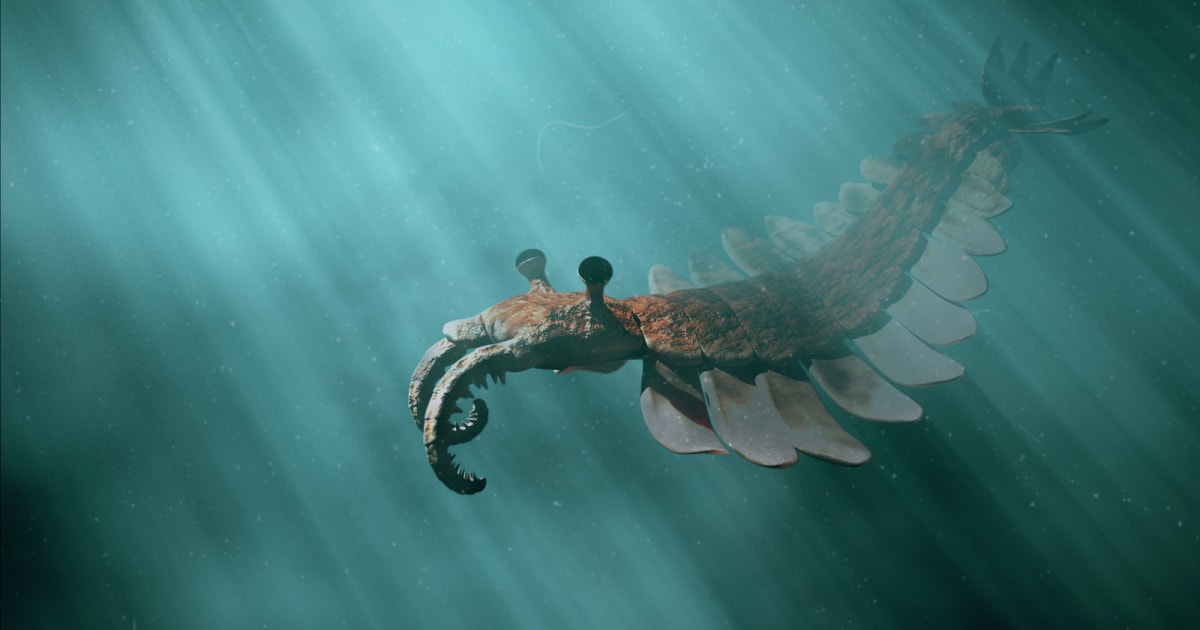
A team of scientists led by Scott Evans from the American Museum of Natural History discovered over 100 fossils in the Mackenzie Mountains of Canada's Northwest Territories that date back roughly 567 million years. These soft-bodied creatures, called Ediacaran biota, lived on the seafloor during Earth's transition from a planet dominated by microbes to one filled with recognizable animal life.
For three billion years, only microbes existed on Earth. Then something remarkable happened during the Ediacaran period between 575 and 539 million years ago: complex animals appeared.
The Canadian fossils include at least six species never before found in North America. What makes them special isn't just their age, though pushing back the timeline by five to ten million years is significant. The real surprise came when researchers analyzed the sediment patterns around the fossils.
The creatures lived in much deeper water than scientists had assumed possible for early animal life. For over a century, textbooks have taught that complex life began in warm, sunlit shallow seas and gradually spread outward. Shallow water seemed like the obvious birthplace: warm, nutrient-rich, and bathed in sunlight.
But this discovery suggests the opposite may be true. Animals might have first evolved in the deep ocean and then expanded into shallower waters.
The Bright Side
The deep ocean isn't the dark, hostile environment we've imagined for early life. It actually offered something shallow seas couldn't: stability. Far from atmospheric turbulence and surface dynamics, the deep seafloor provided a calm, consistent environment where delicate soft-bodied creatures could experiment with new forms of life.
These fossils represent something extraordinary in Earth's history. They show evidence of the earliest known animal movement and the first signs of sexual reproduction. The discovery means these crucial evolutionary developments happened millions of years earlier than we thought, in a completely different environment.
The find required considerable effort to reach the remote Northwest Territories site, but the payoff rewrites our understanding of where we all came from. Every animal alive today, from blue whales to butterflies to humans, traces its ancestry back to these ancient seafloor pioneers.
Sometimes the most important discoveries don't just fill in gaps in our knowledge—they flip the entire story around.
More Images


Based on reporting by Google: fossil discovery
This story was written by BrightWire based on verified news reports.
Spread the positivity!
Share this good news with someone who needs it