Ancient Squirrel Poop Preserves 700,000 Years of DNA
Scientists discovered a treasure trove of ancient DNA, including from woolly mammoths, perfectly preserved in frozen squirrel droppings in Canada's Yukon. The findings offer an unprecedented window into how life evolved over hundreds of thousands of years.
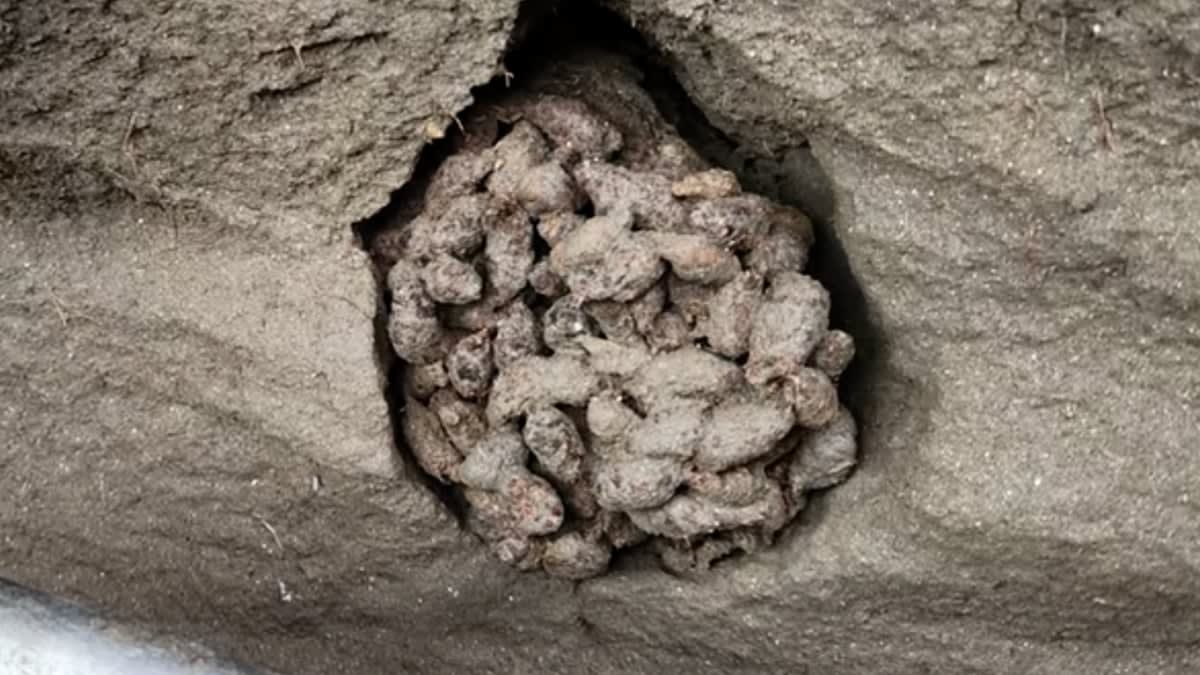
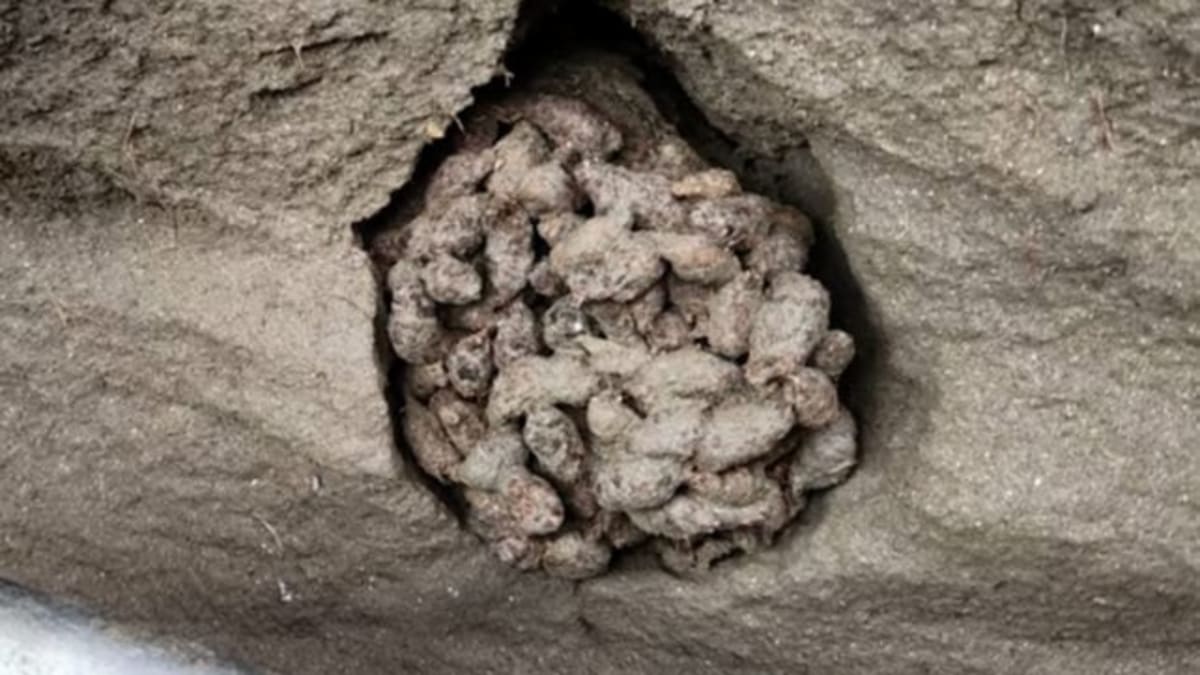
Frozen squirrel poop in Canada's Yukon territory just unlocked secrets from up to 700,000 years ago, giving scientists an extraordinary glimpse into Earth's ancient past.
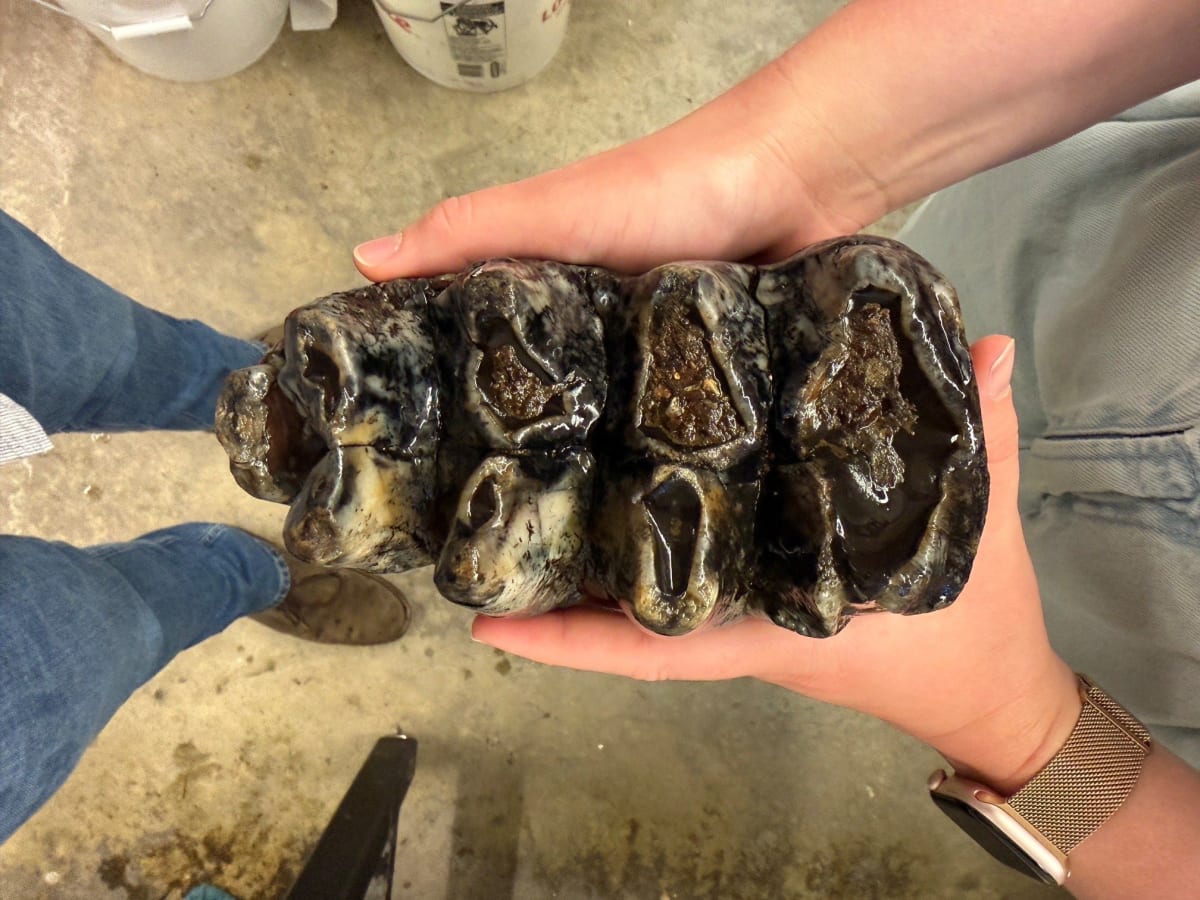
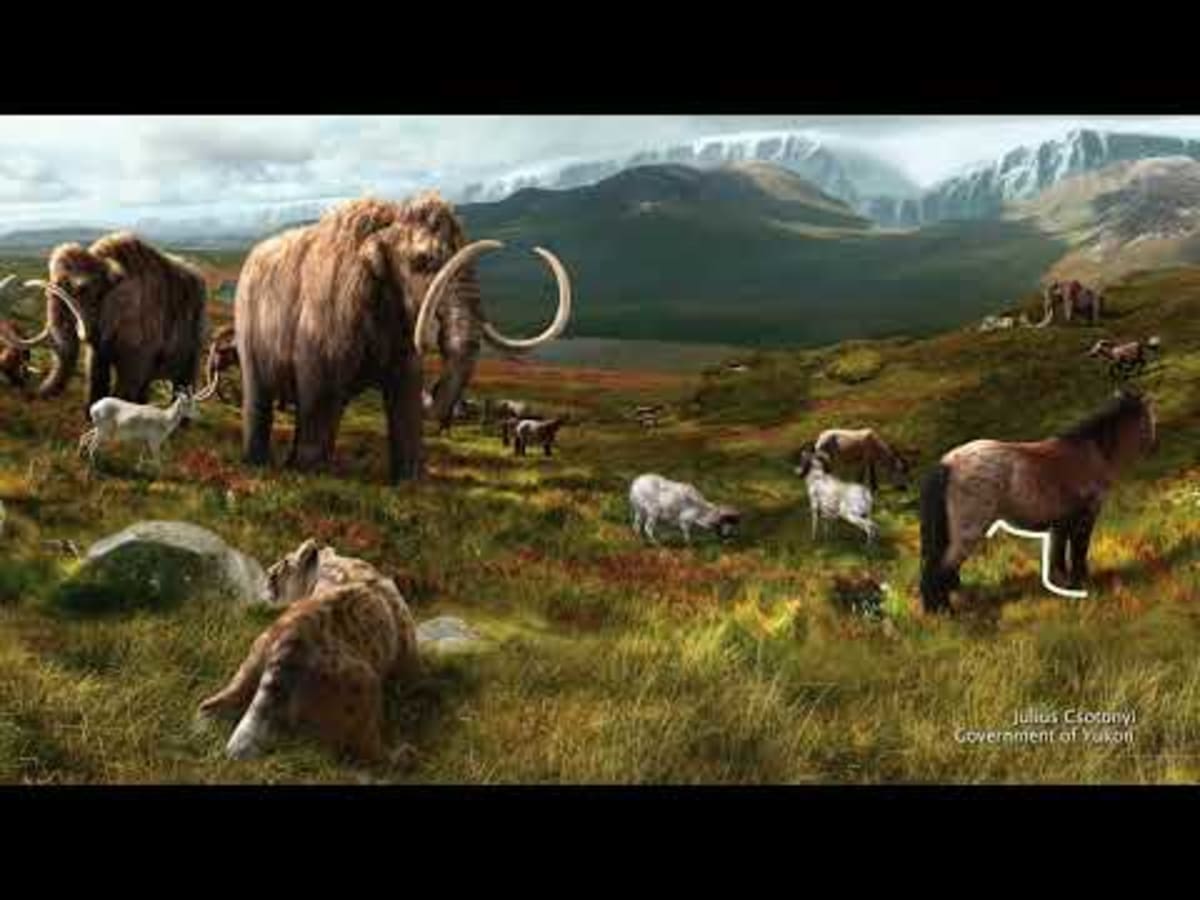
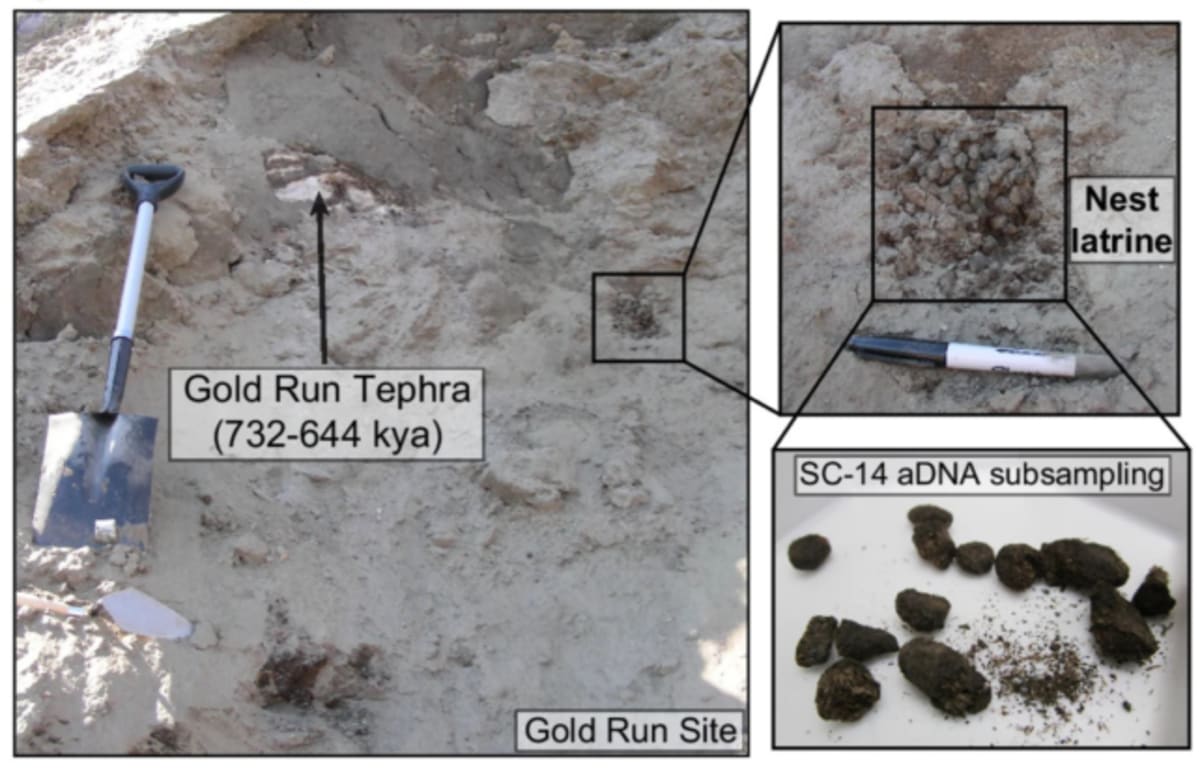
Researchers from McMaster University made the surprising discovery while studying ancient burrows sealed off by rising permafrost. What they found inside stunned them: DNA from woolly mammoths, wolves, bison, horses, a cheetah, and hundreds of plant species, all perfectly preserved in squirrel feces.
Lead researcher Tyler Murchie admits that digging through squirrel droppings sounds less exciting than finding a mammoth tusk. But the "spectacular" amount of genetic information hidden in the waste makes it an overlooked goldmine for understanding our planet's history.
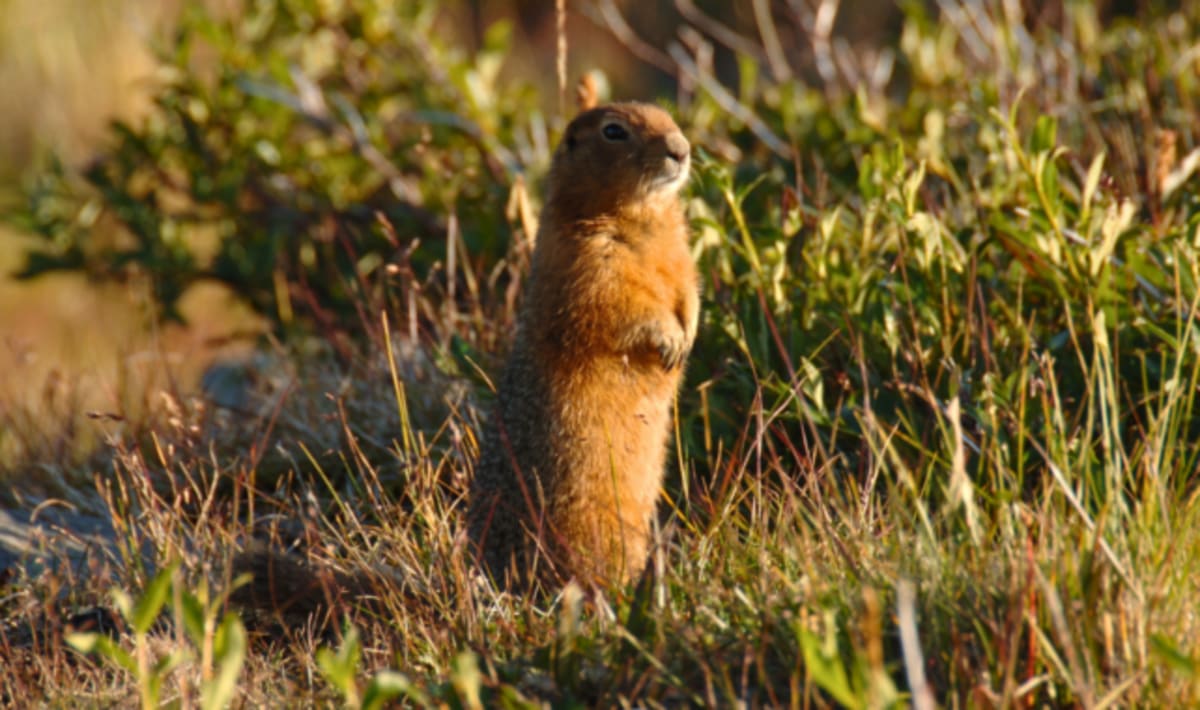
Arctic ground squirrels turned out to be nature's perfect archivists. They only stay awake about four months each year, spending the rest in hibernation, so when they're conscious they frantically collect everything they can find: nuts, seeds, leaves, bones, and fur.
Over time, permafrost permanently sealed some burrows, creating perfect time capsules. The team even discovered one squirrel frozen in its nest, a "super cute little guy" who simply went to sleep one season and never woke up.
The scientists reconstructed 18 complete mitochondrial genomes from the DNA fragments, including six woolly mammoths from different eras. They pieced together the genetic puzzle using computers, fitting fragments together like a jigsaw.
The Bright Side
This discovery proves that answers to our biggest questions about evolution and extinction might be hiding in unexpected places. While companies like Colossal are attempting to bring back the woolly mammoth, this research offers something even more valuable: understanding how species adapted and changed across multiple ice ages.
The genetic data will be made publicly available for researchers worldwide. Murchie's team is already working on another study about woolly mammoth evolution using these findings, though he can only describe it as "super cool" for now.
The discovery transforms our understanding of how to study the past. Instead of hoping to stumble upon large fossils, scientists now know that tiny time capsules exist underground, waiting to reveal their secrets.
"I can't believe that we were able to get these insights from squirrel feces," Murchie said, perfectly capturing how extraordinary breakthroughs can come from the most humble sources.
More Images
Based on reporting by Google News - Science
This story was written by BrightWire based on verified news reports.
Spread the positivity!
Share this good news with someone who needs it