Extreme Microbes Unlock Secrets to Life on Other Planets
Scientists studying tiny organisms that thrive in Earth's harshest environments are discovering how life adapts to extremes and what it might look like elsewhere in the universe. These microscopic survivors are also revolutionizing medicine and industry.
Life finds a way in places that should be impossible.
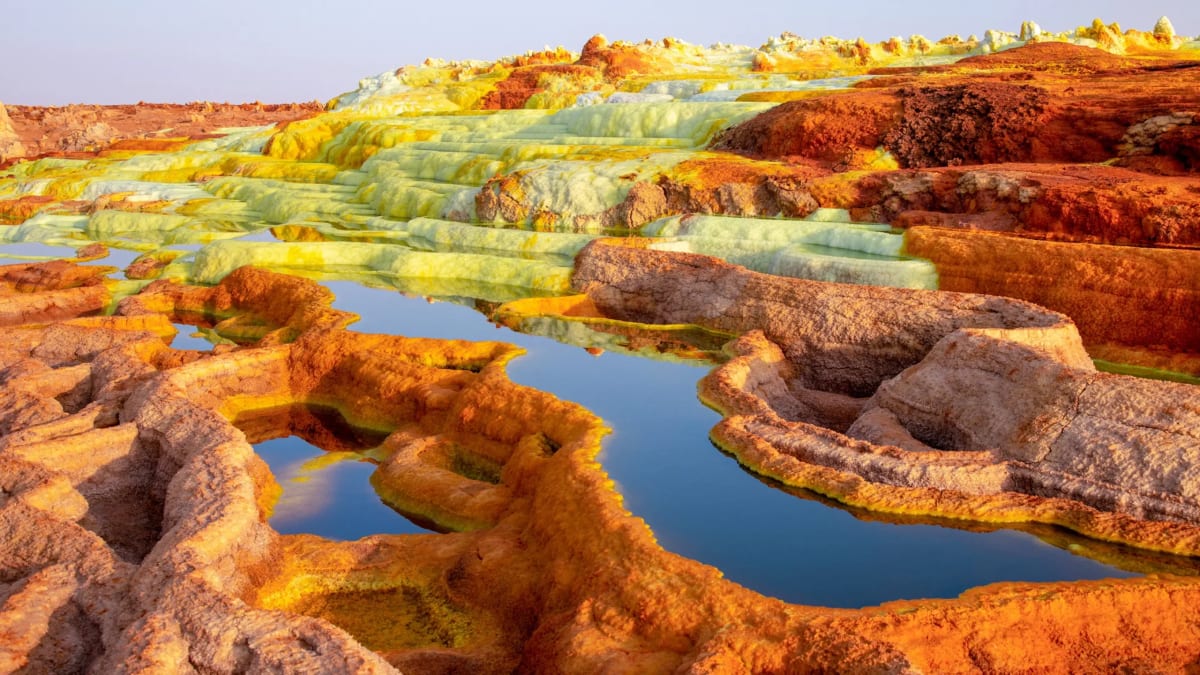
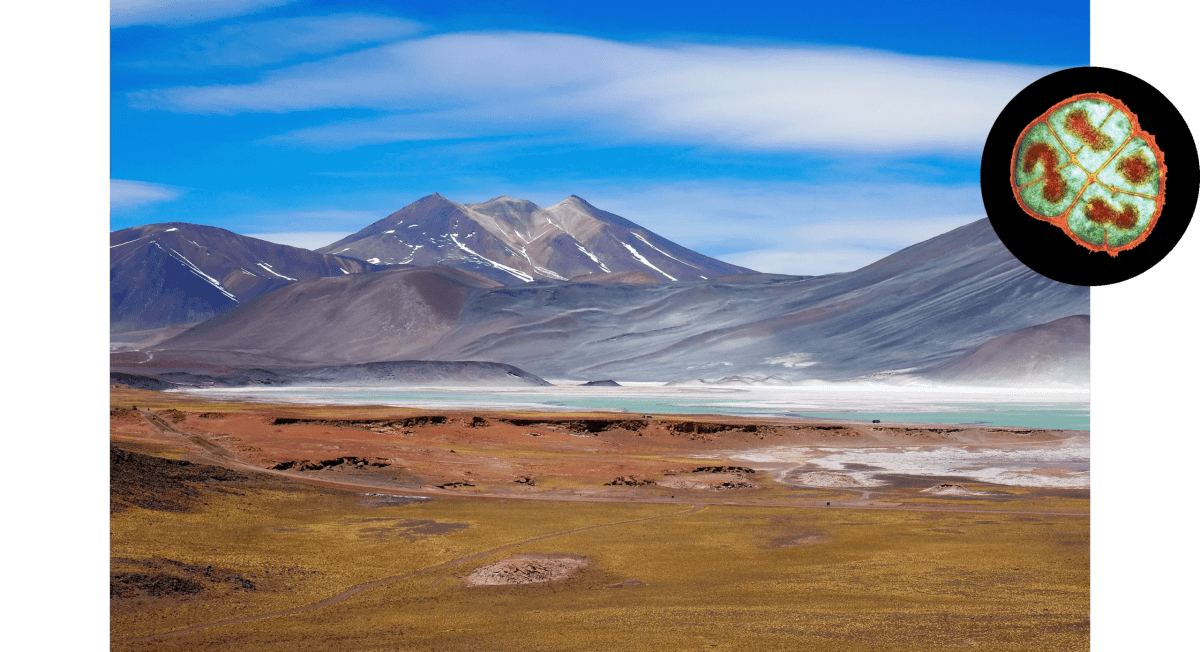
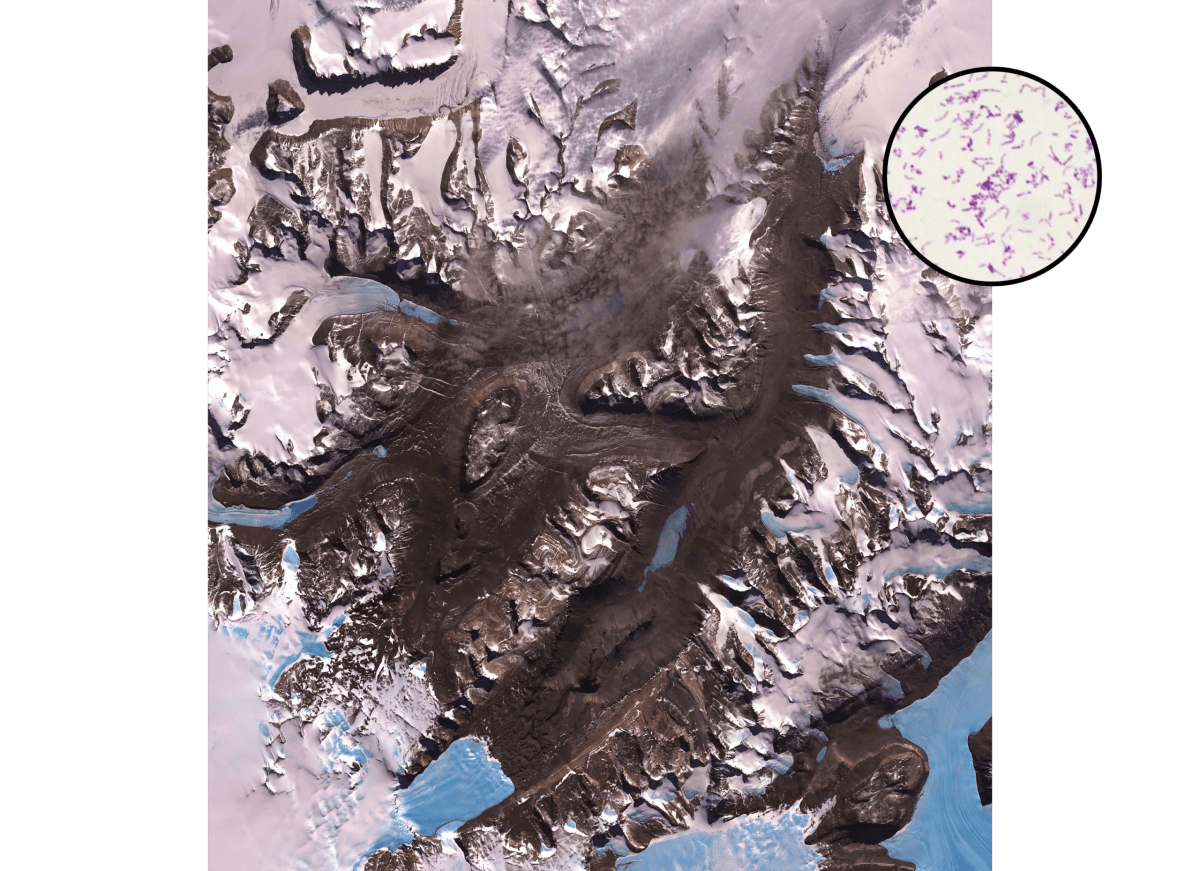
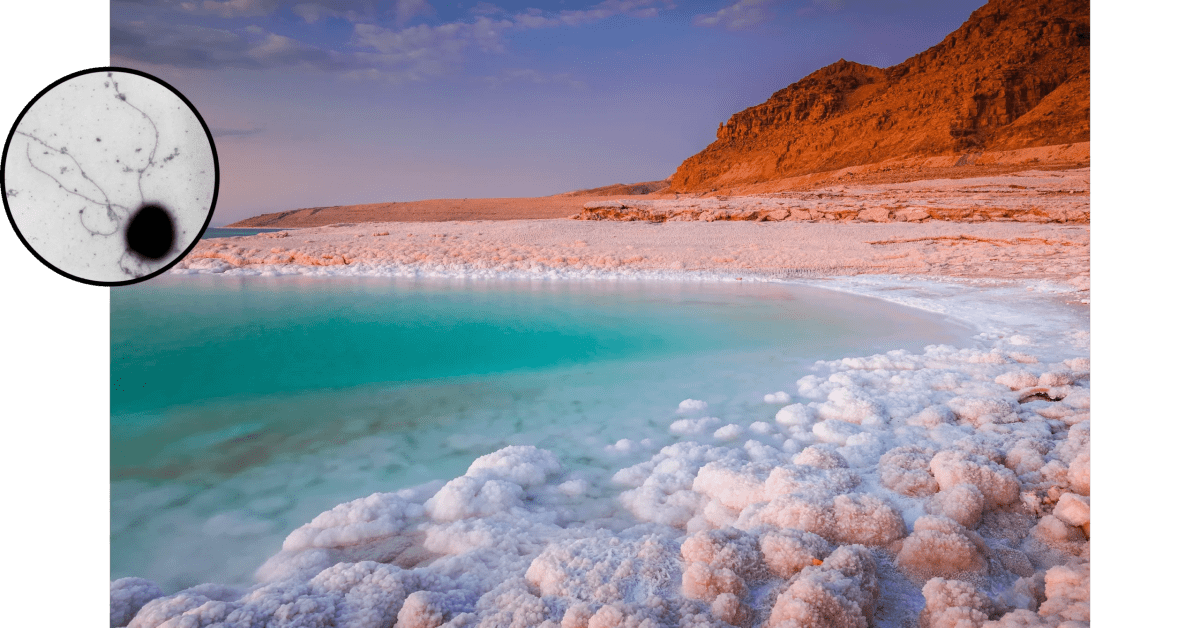
Scientists are uncovering remarkable organisms called extremophiles that thrive where nothing else can survive. These tiny pioneers live in boiling hot springs, frozen Antarctic valleys, toxic acid pools, and even environments blasted by radiation levels that would instantly kill humans.
Most extremophiles are microscopic bacteria or archaea. Some flourish in subzero temperatures using special enzymes that keep working when others would freeze solid. Others handle crushing pressures, corrosive chemicals, or even the vacuum of space without breaking a sweat.
But these tough little survivors are far more than biological oddities. They're changing our world in remarkable ways.
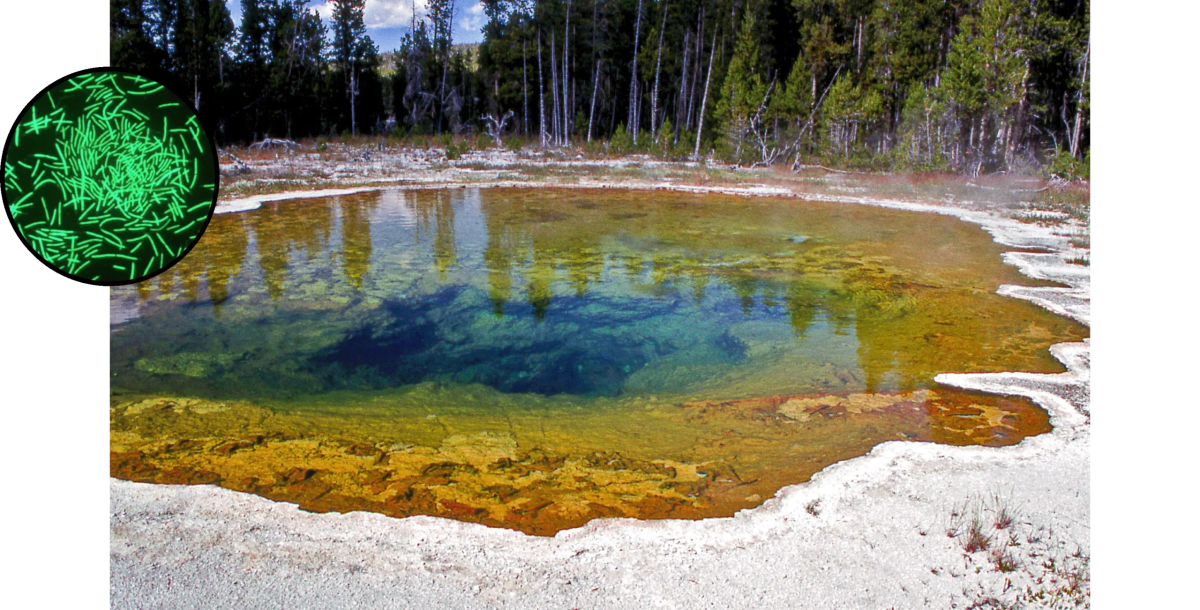
One bacterium found in Yellowstone's hot springs in the 1960s, Thermus aquaticus, transformed modern science forever. Its heat-loving enzymes led to the invention of DNA replication technology that now powers everything from crime scene analysis to COVID tests. Without this humble microbe, most of modern genetics wouldn't exist.
Another champion, Deinococcus radiodurans, was accidentally discovered in the 1950s when scientists tried sterilizing canned meat with radiation. The bacterium survived doses 1,000 times stronger than what kills humans. Today, researchers study it to understand how life might endure on radiation-soaked planets like Mars.
The practical applications keep growing. Industries use extremophile enzymes for processes requiring intense heat or pressure. Environmental scientists deploy these organisms to clean up toxic waste sites where nothing else can grow. The possibilities span from manufacturing to medicine.
The Ripple Effect
Understanding extremophiles helps answer profound questions about life itself. Earth was much harsher when life first evolved, filled with toxins and radiation. By studying what survives today's extremes, scientists can piece together how life began and what conditions made it possible.
This research also transforms how we search for alien life. If organisms thrive in Earth's most brutal environments, similar life could exist on other worlds we once thought sterile. The icy moons of Jupiter, the deserts of Mars, or planets orbiting distant stars might harbor their own extremophiles.
These microscopic pioneers remind us that life is more resilient and adaptable than we ever imagined, opening doors to discoveries we haven't yet dreamed of.
More Images
Based on reporting by Google News - Science
This story was written by BrightWire based on verified news reports.
Spread the positivity!
Share this good news with someone who needs it