Scientists Discover Microbes Thriving in Fog Droplets
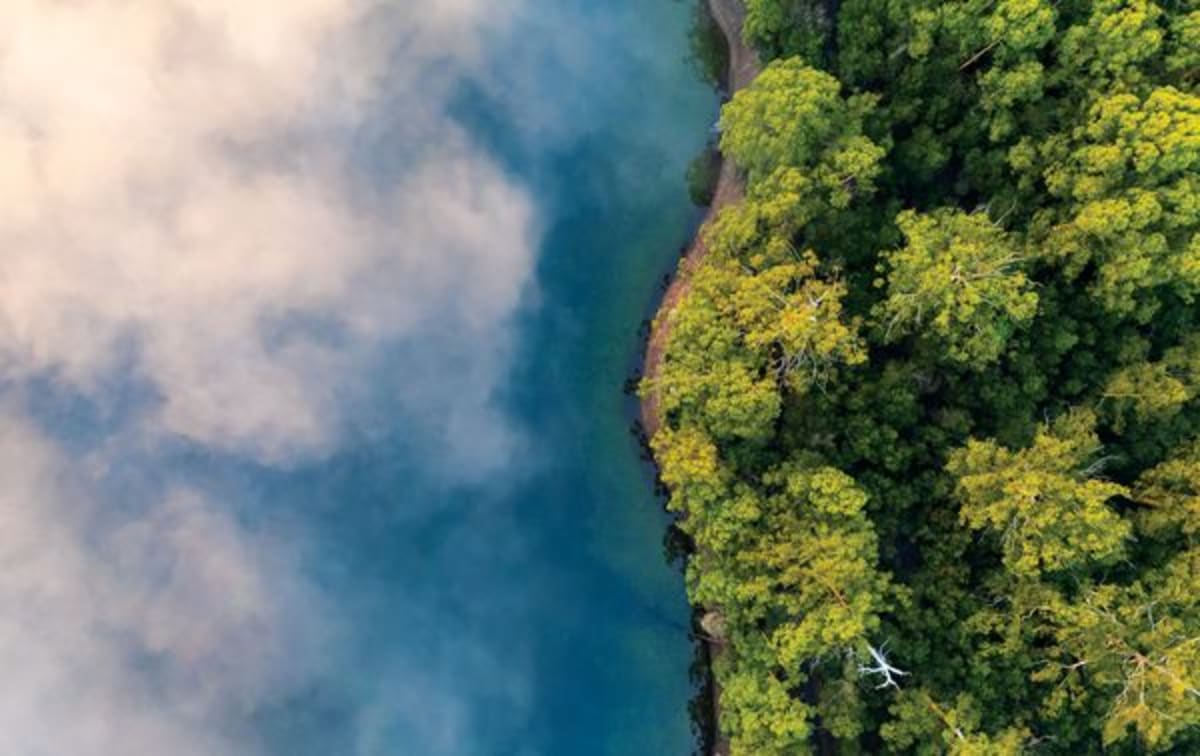
Fog isn't just moisture—it's a living ecosystem where bacteria feast, grow, and reshape our atmosphere. Researchers worldwide are uncovering how these tiny organisms turn fleeting droplets into thriving homes.
Scientists have discovered that fog droplets aren't just water vapor—they're bustling neighborhoods where bacteria live, eat, and multiply.
For years, researchers viewed fog simply as moisture that helps desert plants survive or carries microbes from place to place. But new studies reveal something far more exciting: fog itself is a habitat where microscopic life actively thrives.
"The scientific community has known for a long time that there's a lot of microbes in the atmosphere," says Ferran Garcia-Pichel, a microbiologist at Arizona State University. "But are the microbes really active and doing stuff in the air? That's a fundamentally different question because then the atmosphere becomes a habitat."
Garcia-Pichel's team studied fog water collected in Pennsylvania and found bacteria actually growing inside the droplets. These colorful pink and red bacteria were feasting on formaldehyde, a compound that requires special cellular machinery to process—proof they weren't just hitching a ride but genuinely living there.
The bacteria count increased after fog events, showing these organisms multiply despite the temporary nature of their homes. "Perhaps slow growth, but growth is also slow in the Arctic because of temperature, and nobody questions that's a habitat," Garcia-Pichel notes.
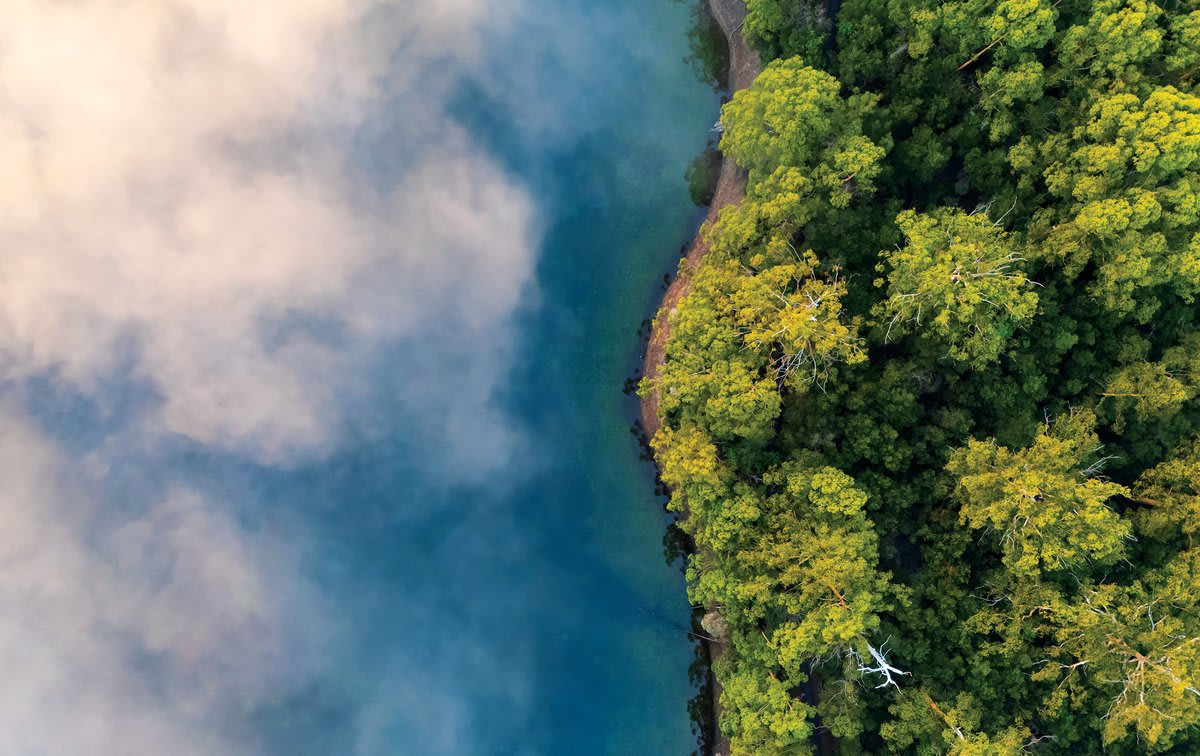
Meanwhile, in the Amazon rainforest, researchers climbed a tower as tall as the Eiffel Tower to capture morning fog samples. Inside those precious 13 fog events, they identified over a dozen species of fungi and bacteria, many known for breaking down dead material and cycling nutrients in traditional ecosystems.
"Living in a fog droplet could be a pretty good life," says Sarah Evans, a microbial ecologist at Michigan State University. "You're protected from the sun; you have moisture, other nutrients maybe."
The discoveries extend to coastal areas too, where scientists have traced oceanic microbes traveling in fog over Namibia and Maine. Each study adds another piece to the puzzle of how life adapts to the most unexpected places.
Why This Inspires
This research reminds us that life finds a way in the most surprising corners of our planet. While fog seems ephemeral and empty, it's actually teeming with organisms reshaping atmospheric chemistry and creating temporary but vibrant ecosystems that drift through our skies.
The work also showcases the power of scientific curiosity—asking "what if?" about something as ordinary as fog has opened an entire field of study. As more researchers investigate these aerial habitats, we're learning that Earth's ecosystems extend far beyond soil and sea.
Scientists say these initial findings represent just the beginning of fog microbiology. Every new study reveals more about how these adaptable organisms turn fleeting water droplets into thriving communities, changing our understanding of where life can flourish.
More Images


Based on reporting by Scientific American
This story was written by BrightWire based on verified news reports.
Spread the positivity!
Share this good news with someone who needs it