Ancient Water Tunnels Offer Hope for Iran's Drought Crisis
As Iran faces six years of severe drought, engineers are looking to a 3,000-year-old solution that once sustained civilizations across the desert. The qanat system of underground tunnels could help cities facing water bankruptcy find relief.
When modern technology falls short, sometimes the answer lies beneath our feet, carved by our ancestors thousands of years ago.
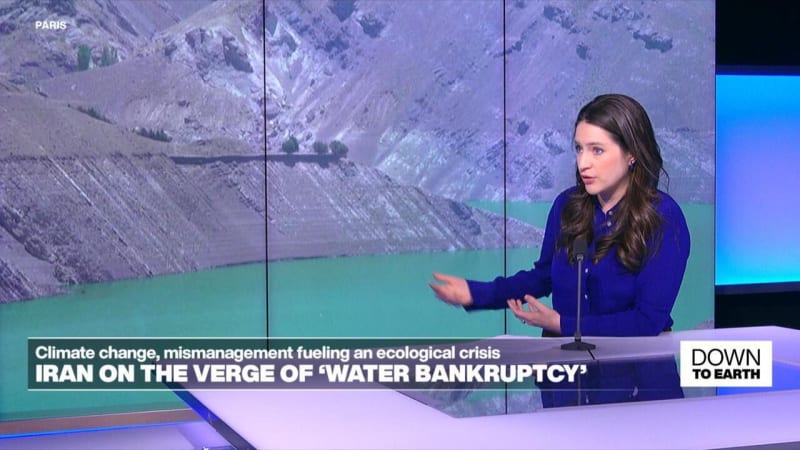
Iran is confronting its worst water crisis in generations. Six consecutive years of drought have pushed major cities including Tehran to the brink of "water bankruptcy," a situation where demand drastically outpaces supply.
But engineers and water experts are rediscovering an ingenious solution that kept Persian civilization thriving for millennia. Qanats are underground tunnel systems that tap into groundwater from mountain aquifers and transport it through gravity-fed channels to farms and cities below.
These remarkable structures date back over 3,000 years. Persian engineers built them to minimize water loss from evaporation in the scorching desert heat, a problem that plagues modern surface irrigation.
The qanat system proved so effective that it spread across the Middle East, North Africa, and even reached Spain and China. At their peak, these underground aqueducts provided water to millions of people across arid regions where rainfall agriculture was impossible.
Many qanats still exist today, though decades of modernization and neglect left thousands abandoned or collapsed. The recent drought has sparked renewed interest in restoring and maintaining these ancient waterways as a sustainable alternative to depleting aquifers with electric pumps.
The Bright Side
The beauty of qanats lies in their simplicity and sustainability. They require no electricity, no fuel, and minimal maintenance once constructed. The underground design keeps water cool and clean while preventing the massive evaporation losses that plague modern irrigation systems in hot climates.
Even better, qanats naturally regulate water flow based on aquifer levels, preventing over-extraction. This built-in conservation mechanism helped ancient societies manage water resources for centuries without depleting their sources.
As climate change intensifies droughts worldwide, this ancient Persian innovation offers lessons far beyond Iran's borders. Communities from California to Australia are studying traditional water management systems like qanats to supplement modern infrastructure.
Sometimes moving forward means looking back to the wisdom of those who learned to thrive in harsh conditions without modern conveniences.
More Images
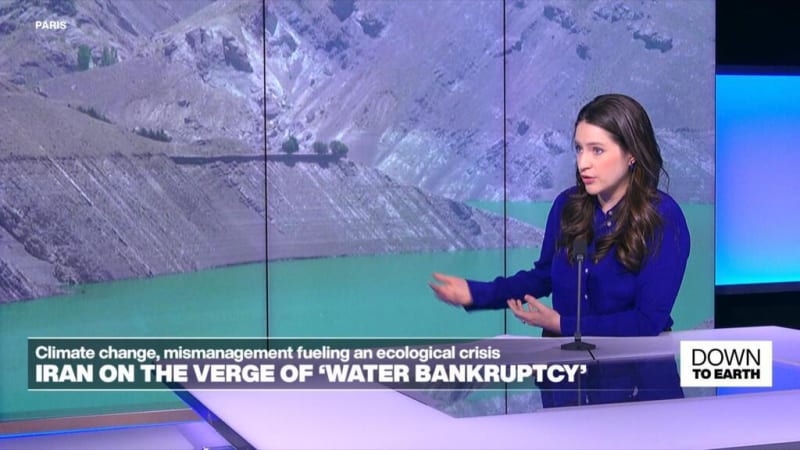

Based on reporting by France 24 English
This story was written by BrightWire based on verified news reports.
Spread the positivity!
Share this good news with someone who needs it