Ancient Whale Graveyard Found Teeming With Life 4 Miles Down
Scientists discovered a 5.3 million year old whale graveyard nearly four miles below the Indian Ocean's surface, bustling with thriving marine communities. The find reveals how life adapts in Earth's most extreme environments.
Four miles beneath the surface of the Indian Ocean, scientists have discovered something extraordinary: a whale graveyard teeming with life that's been thriving for millions of years.
The underwater necropolis sits up to 23,000 feet below the surface in the southeastern Indian Ocean. It's the deepest, oldest, and largest whale graveyard ever found.
When whales die and sink to the ocean floor, their massive bodies become unexpected lifelines for deep sea creatures. The size of the bones and their unique chemistry create thriving neighborhoods on the seafloor, supporting communities that can last for millions of years.
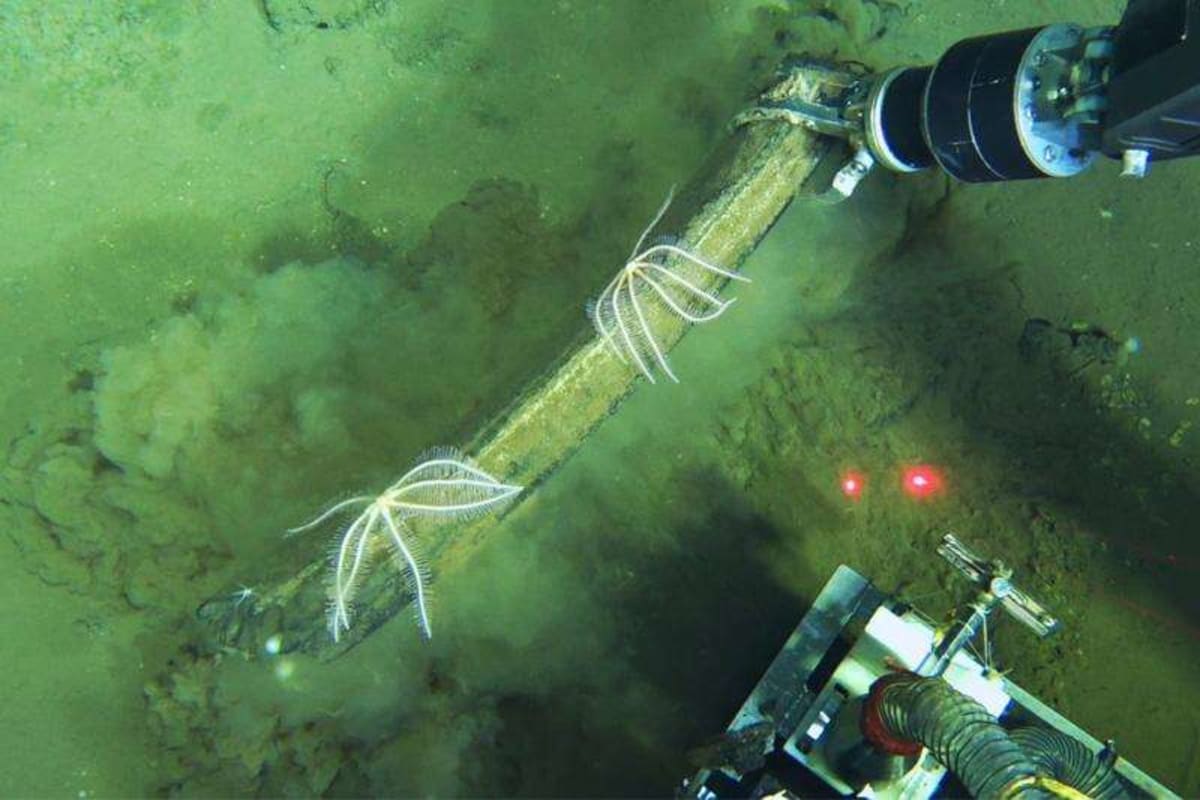
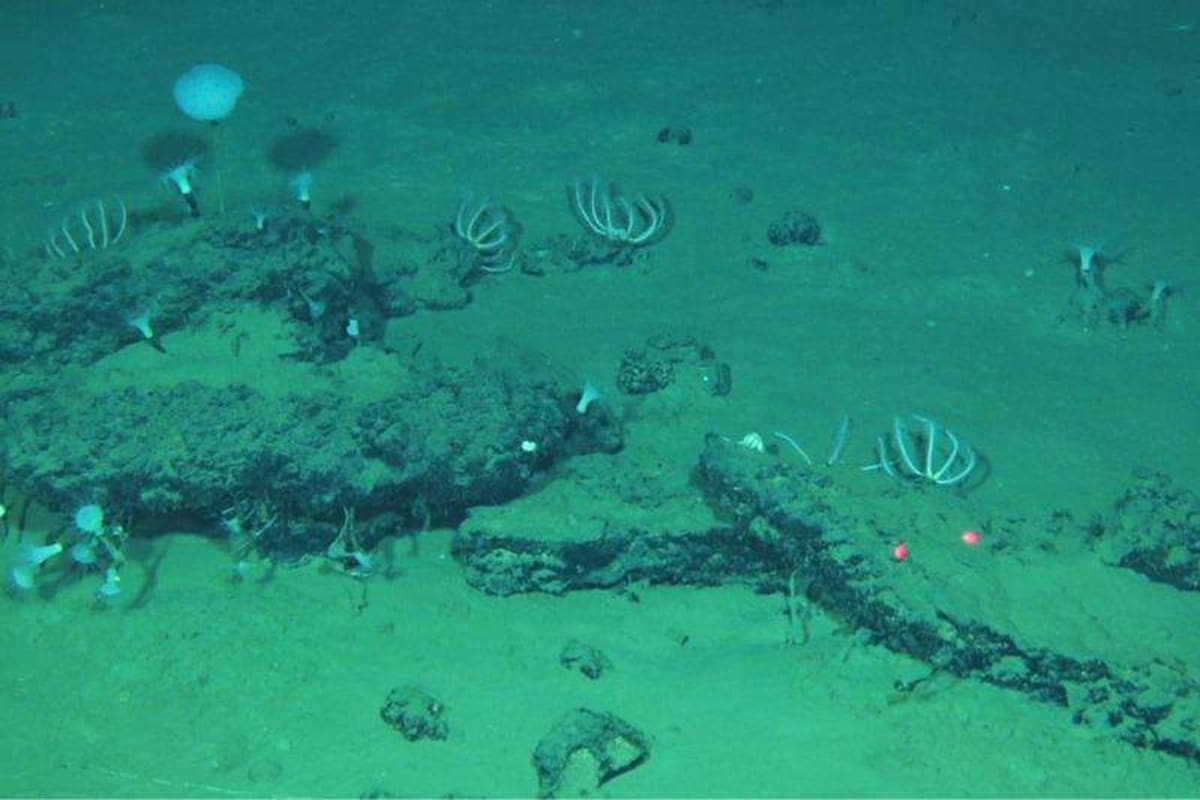
During submersible missions in 2023, researchers explored five separate carcass sites filled with fossils, including skulls from beaked and baleen whales. The oldest bones date back 5.3 million years, yet they're still supporting life today.
The graveyard hosts an astounding array of creatures. Jellyfish, tubeworms, brittle stars, sea cucumbers, squat lobsters, and saltwater clams all call these ancient bones home. Many are likely species never before documented by science.
"The potential number of specimens is just astounding," said paleontologist Stephen Godfrey with the Calvert Marine Museum in Maryland. The Chinese Academy of Sciences team published their findings Wednesday in the journal Nature.
Several factors conspired to preserve these bones for millions of years. They're dense enough to resist bone-eating worms and sit deep enough to avoid getting buried by ocean sediment. A light mineral coating from surrounding seawater likely prevented them from degrading over time.
Scientists aren't certain why so many whales ended up in this particular spot. Some may have lived in the area and died naturally, while others could have succumbed to exhaustion or illness from deep-sea diving. The V-shaped geography of the Diamantina Fracture Zone may have also funneled carcasses to this resting place.
Why This Inspires
This discovery shows how life finds a way even in the most hostile places on Earth. Where you'd expect emptiness at crushing depths without light or oxygen, vibrant communities are flourishing.
Understanding these extreme ecosystems helps scientists grasp how resilient life can be. These whale graveyards prove that even in darkness, under immense pressure, communities adapt and thrive for millions of years.
Life persists in the most unexpected places, turning death into sustenance and ancient bones into bustling neighborhoods on the ocean floor.
More Images


Based on reporting by Google News - Scientists Discover
This story was written by BrightWire based on verified news reports.
Spread the positivity!
Share this good news with someone who needs it