Anne Hathaway's Swimsuit Sparks Body Positivity Wins
When actress Anne Hathaway wore a full-body swimsuit on vacation, the internet's reaction revealed something hopeful: we might finally be moving past judging women's swimwear choices. The conversation shows society recognizing that freedom means wearing whatever makes you comfortable.
When Anne Hathaway stepped onto a boat in a bright, full-coverage swimsuit, the internet had opinions. But this time, something different happened in the debate about women's bodies and swimwear.
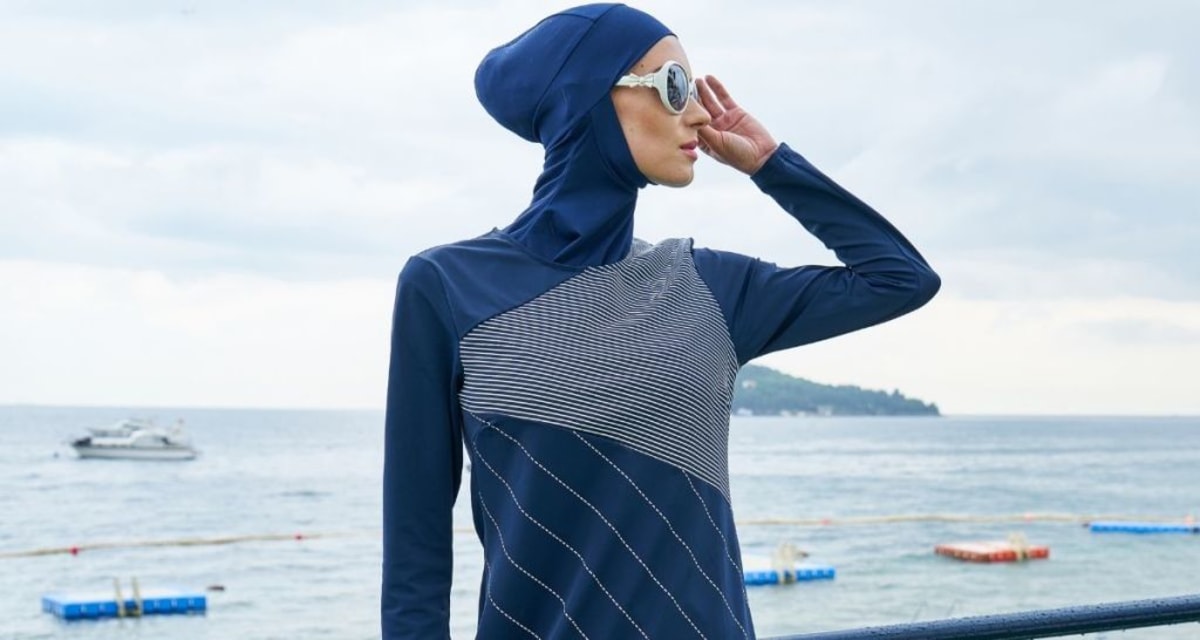
The actress has been photographed multiple times wearing full-body sun protection suits, most recently after announcing her third pregnancy. Some called it a "burkini" (though that term includes a head covering), while others wondered if she was being too cautious about sun exposure.
The reactions perfectly captured the impossible position women face when choosing swimwear. One woman called Hathaway's choice "depressing," suggesting she was missing out on vitamin D and the joy of soaking up sun. But as others quickly pointed out, Hathaway was clearly living her life, enjoying the water in whatever made her comfortable.
Some people burn easily in the sun. Others dislike the feel or expense of constant sunscreen application. A full-body rashguard solves both problems while letting someone enjoy the beach or pool without worry.
The flip side revealed another layer of the problem. When Muslim women wear burkinis for religious or personal reasons, they've faced actual bans in some French municipalities and certain hotels worldwide. Meanwhile, Vogue praised Hathaway's "dedication to sun protection" for wearing essentially the same thing.
The double standard became crystal clear. It's apparently fine to cover up for sun protection but questionable to do so for other reasons. Why should anyone's motivation for their swimwear choice matter at all?
Why This Inspires
What's genuinely hopeful about this conversation is how many people are calling out the inconsistency. More voices are recognizing that policing women's clothing choices, whether pushing them to cover up or strip down, is the real problem.
A bikini can represent empowerment for one woman and social pressure for another. The same goes for a burkini or full-coverage suit. The garment itself isn't inherently liberating or oppressive. What matters is whether the person wearing it chose it freely.
People increasingly understand that liberation doesn't have a specific look. Empowerment means different things to different women, and that's exactly how it should be.
The growing consensus? Let women wear what makes them comfortable in the water without judgment. Whether that's a string bikini, a burkini, a rashguard, or anything in between, the choice belongs to the person wearing it.
After all, we have plenty of real problems to solve without wasting energy judging what anyone wears to go swimming.
More Images



Based on reporting by Upworthy
This story was written by BrightWire based on verified news reports.
Spread the positivity!
Share this good news with someone who needs it