Antarctic Penguins Adapt Breeding Cycle in Record Time
Three penguin species in Antarctica are nesting up to two weeks earlier than a decade ago, marking the fastest breeding shift ever recorded in birds. Scientists say this remarkable adaptation shows nature responding to warming temperatures at unprecedented speed.
Penguins in Antarctica are rewriting the rulebook on how quickly animals can adapt to a changing climate, and scientists are amazed by what they're witnessing.
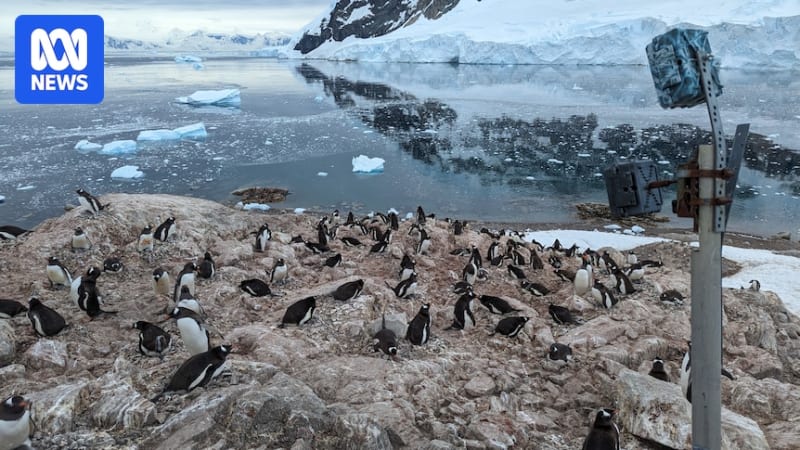
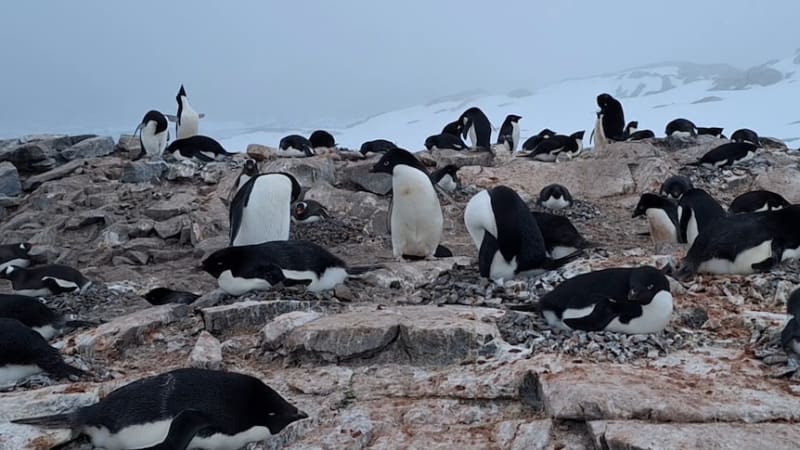
A 10-year study using time-lapse cameras across 37 penguin colonies has revealed something extraordinary. Three species, Adélie, chinstrap, and gentoo penguins, are now starting their breeding season 10 to 13 days earlier than they did just a decade ago.
"This represents the fastest change in breeding timing recorded in any bird, and possibly any vertebrate, to date," researchers from the University of Oxford and Oxford Brookes University announced. The gentoo penguins showed the most dramatic shift, with some colonies settling a full 24 days earlier.
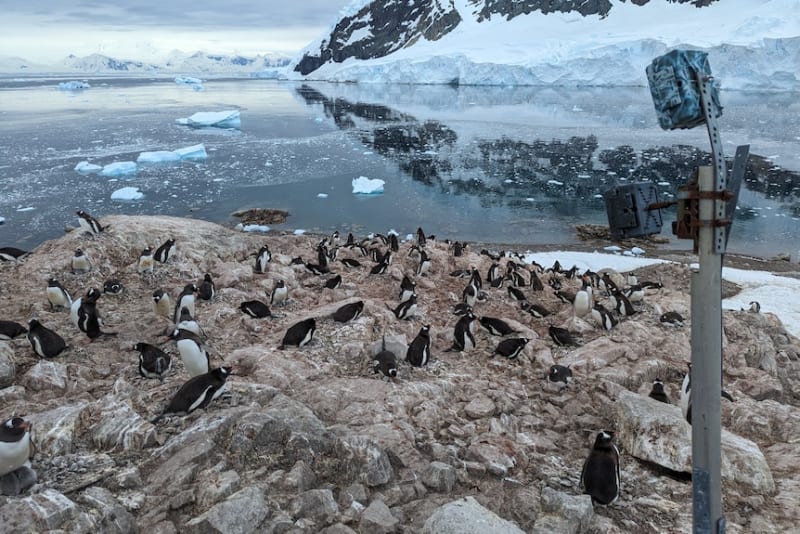
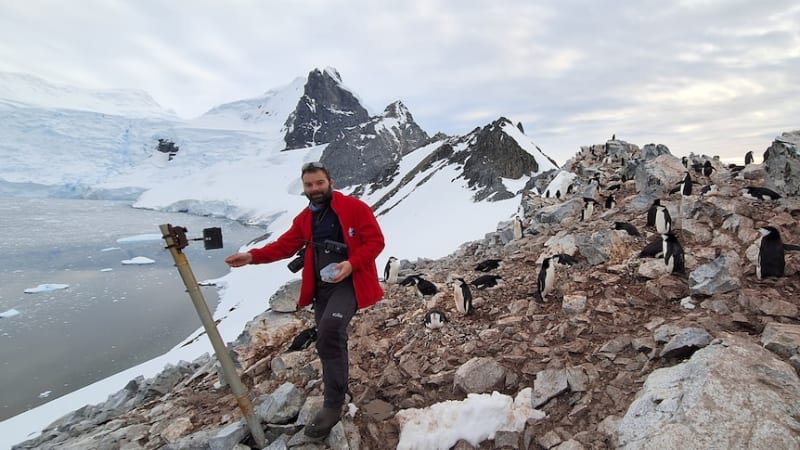
The researchers deployed 77 cameras equipped with thermometers to track both penguin behavior and temperature changes. What they found was remarkable: the colonies warmed by an average of 0.3 degrees Celsius per year, up to four times faster than the Antarctic average.
Lead author Ignacio Juarez Martinez explains that this rapid adjustment shows incredible flexibility in these birds. The penguins appear to be responding to environmental cues, adjusting their internal clocks to match the changing seasons.
The cameras captured something else beautiful too. They documented the daily rhythms of penguin life across a decade, creating an unprecedented window into how these beloved birds navigate their harsh but changing world.
Why This Inspires
This study reveals something hopeful about the natural world's capacity to respond to change. While climate shifts pose serious challenges, these penguins demonstrate that some species have more adaptability than scientists previously understood.
The research team calls penguins "a bellwether of climate change," meaning they help us understand how animals across the planet might respond to warming temperatures. Their ability to shift breeding cycles this quickly suggests that nature has some built-in flexibility we're only beginning to understand.
Co-author Fiona Jones notes that continued monitoring will help reveal whether this earlier breeding leads to healthier chicks and stronger colonies. The cameras will keep rolling, capturing each season's adjustments.
The study shows us that adaptation is possible, even in extreme environments, giving scientists valuable insights into how we might support other species facing similar challenges.
These resilient penguins are teaching us that nature can surprise us with its capacity to adjust and persist.
More Images

Based on reporting by ABC Australia
This story was written by BrightWire based on verified news reports.
Spread the positivity!
Share this good news with someone who needs it