Antarctica Lake Holds 3-Billion-Year Secret to Life
Scientists discovered towering microbial structures beneath Antarctica's frozen Lake Unter-See that mirror Earth's oldest fossils and might reveal how life survives on icy planets. These ancient life forms create oxygen-rich water under permanent ice, offering hope for finding life beyond Earth.
Deep beneath the permanent ice of Antarctica's Lake Unter-See, half-meter-tall structures are quietly rewriting our understanding of ancient life and its possibilities across the universe.
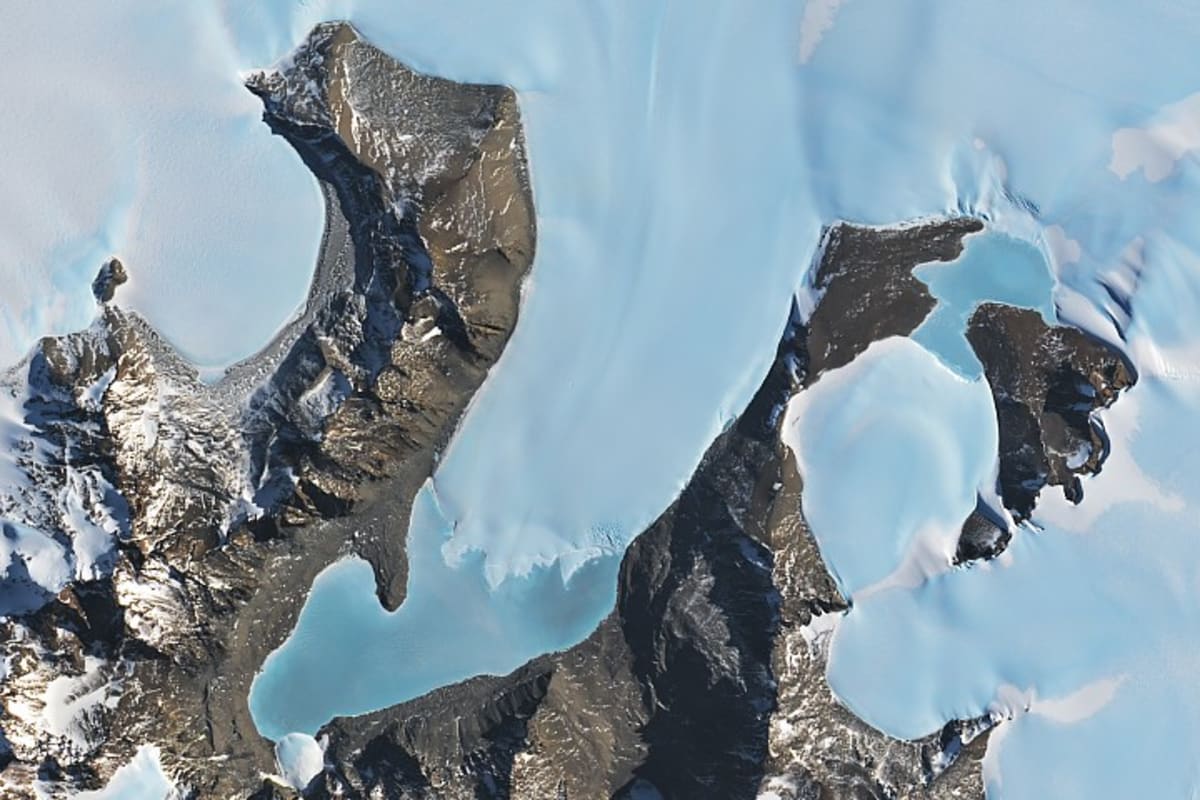
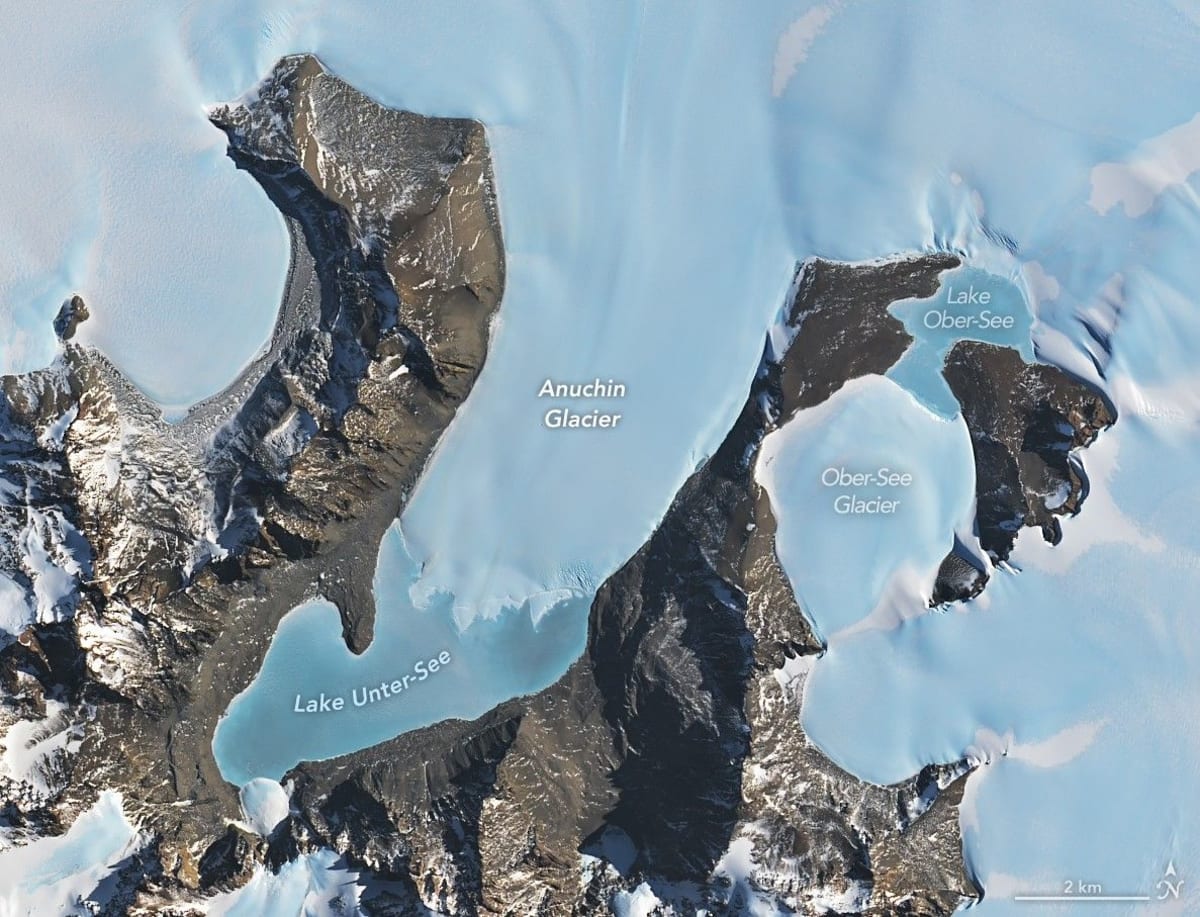
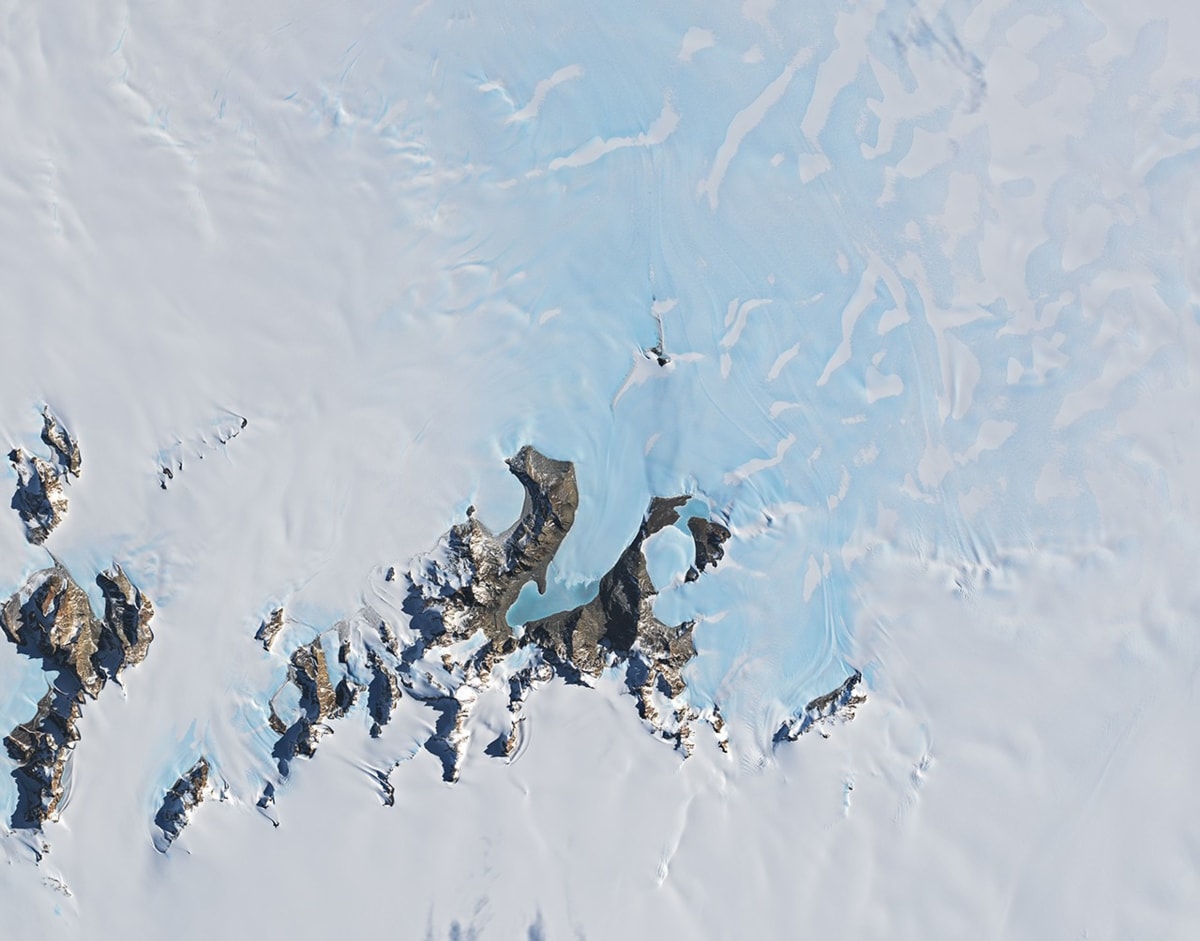
NASA satellites captured stunning images of this unusual lake in February 2026, revealing one of Earth's most extreme and exciting ecosystems. The lake sits in Queen Maud Land, where temperatures average minus 10 degrees Celsius, keeping its waters sealed under several meters of ice year-round.
What makes this frozen lake extraordinary are its stromatolites, cone-shaped towers built by photosynthetic microbes called cyanobacteria. These tiny organisms trap sediment and form mineral crusts, slowly building structures that reach up to half a meter tall.
Scientists first discovered these formations in 2011, led by SETI geobiologist Dale Andersen. The stromatolites are living examples of organisms that created Earth's oldest known fossils more than 3 billion years ago, when microbes were the only life on our planet.
The microbes release oxygen that becomes trapped under the ice, creating unusually high oxygen levels in the water. This sealed environment, combined with exceptionally clear water and no waves or tides, allows the structures to grow taller than similar formations found anywhere else on Earth.
Lake Unter-See's largest creatures are tardigrades, microscopic "water bears" famous for surviving extreme conditions. Otherwise, the lake remains a microbial world, offering a window into what Earth looked like billions of years ago.
Why This Inspires
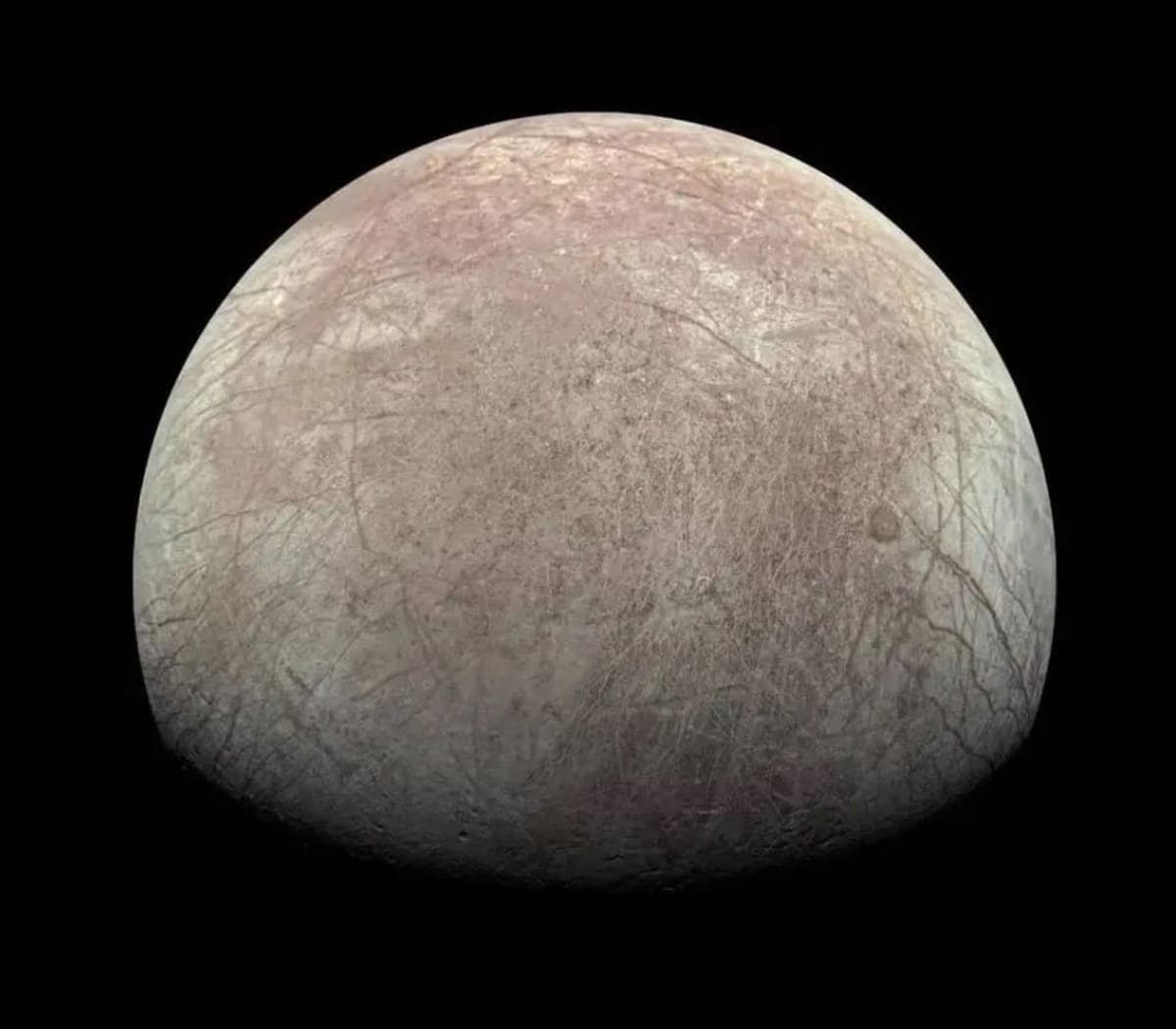
This frozen lake isn't just teaching us about ancient Earth. Astrobiologists see it as a blueprint for where life might exist on icy moons like Europa and Enceladus, or even on Mars with its ice caps and glaciers.
In 2019, researchers observed something remarkable: a massive flood from a nearby lake poured 17.5 million cubic meters of fresh water into Unter-See. Rather than destroying the ecosystem, the carbon dioxide-rich water actually boosted the productivity of the microbial life.
This discovery suggests that similar periodic events could support life in other carbon dioxide-depleted ecosystems throughout Antarctica and potentially on early Mars. The resilience of these ancient organisms shows that life finds ways to adapt and thrive even in the most challenging environments.
Scientists continue studying Lake Unter-See using NASA satellites and field research, each discovery bringing new insights into both our planet's ancient past and the potential for life beyond Earth.
Life that began 3 billion years ago still thrives beneath Antarctic ice, proving that hope persists even in the coldest, darkest places.
More Images

Based on reporting by NASA
This story was written by BrightWire based on verified news reports.
Spread the positivity!
Share this good news with someone who needs it