Antarctica Study Reveals Key to Better Space Missions
Twelve people spent 10 months isolated at Earth's most remote research station, and scientists tracked every interaction. What they discovered could change how we prepare astronauts for Mars.
Scientists studying a crew trapped in Antarctica for nearly a year just uncovered something surprising about human connection. More time together doesn't always mean stronger bonds.
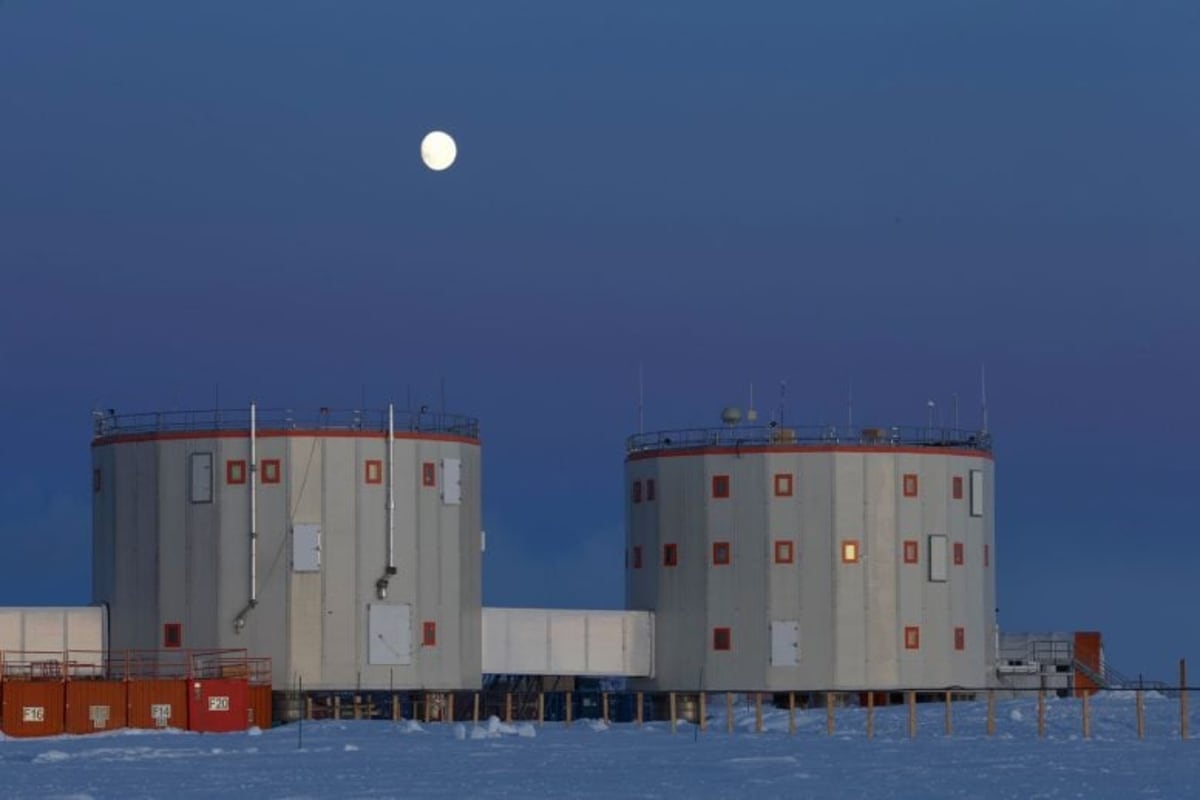
Twelve researchers spent 10 months at Concordia Station, one of the most isolated places on Earth. Winter temperatures plunge to minus 80°C, and for months, the crew had zero contact with the outside world. Think of it as a real-world rehearsal for future missions to Mars.
Researchers from the University of Zurich and University of Bern equipped the crew with proximity sensors that tracked their daily interactions. The team also completed regular surveys about their relationships and experiences throughout the mission.
The findings flipped conventional wisdom on its head. Crew members who spent more time in close contact with others actually reported more conflict, greater mistrust, and lower performance. In these extreme conditions, constant interaction became a source of stress rather than comfort.
"In small teams under extreme conditions, more contact doesn't automatically equate to social support, but can actually increase tensions," says lead researcher Jan Schmutz. The team couldn't pinpoint exact causes, but they noticed lonely crew members often sought more interaction without finding the support they needed.
The sensors revealed another pattern over time. The crew gradually split into smaller friendship circles, usually grouped by shared language or nationality. While these connections offered comfort, they also created divisions within the multicultural team.
Why This Inspires
This research isn't just about Antarctica. It's lighting the path for humanity's next giant leap. As we prepare for long-duration missions to the Moon and Mars, understanding how small crews handle isolation could mean the difference between mission success and failure.
The findings also apply much closer to home. Submarine crews, offshore oil workers, and researchers at remote stations all face similar challenges. By identifying social dynamics early, we can provide better support for people working in isolated environments.
The wearable sensors proved reliable even in extreme Antarctic cold, giving scientists a non-invasive way to monitor team health. Future studies will dig deeper into which specific types of interactions reduce stress and which ones amplify it.
This mission taught us that togetherness requires more than just physical proximity, and that lesson could help us reach the stars.
More Images

Based on reporting by Google News - Scientists Discover
This story was written by BrightWire based on verified news reports.
Spread the positivity!
Share this good news with someone who needs it