Antarctica's First Dinosaur Found After 40 Years in Storage
A fossil collected in Antarctica in 1985 and forgotten in storage for four decades has been confirmed as the continent's first dinosaur bone. The discovery proves that giant titanosaurs once roamed a warmer, greener Antarctica.
A small fossil that sat in a storage box for 40 years has just rewritten Antarctic history as the continent's first confirmed dinosaur bone.
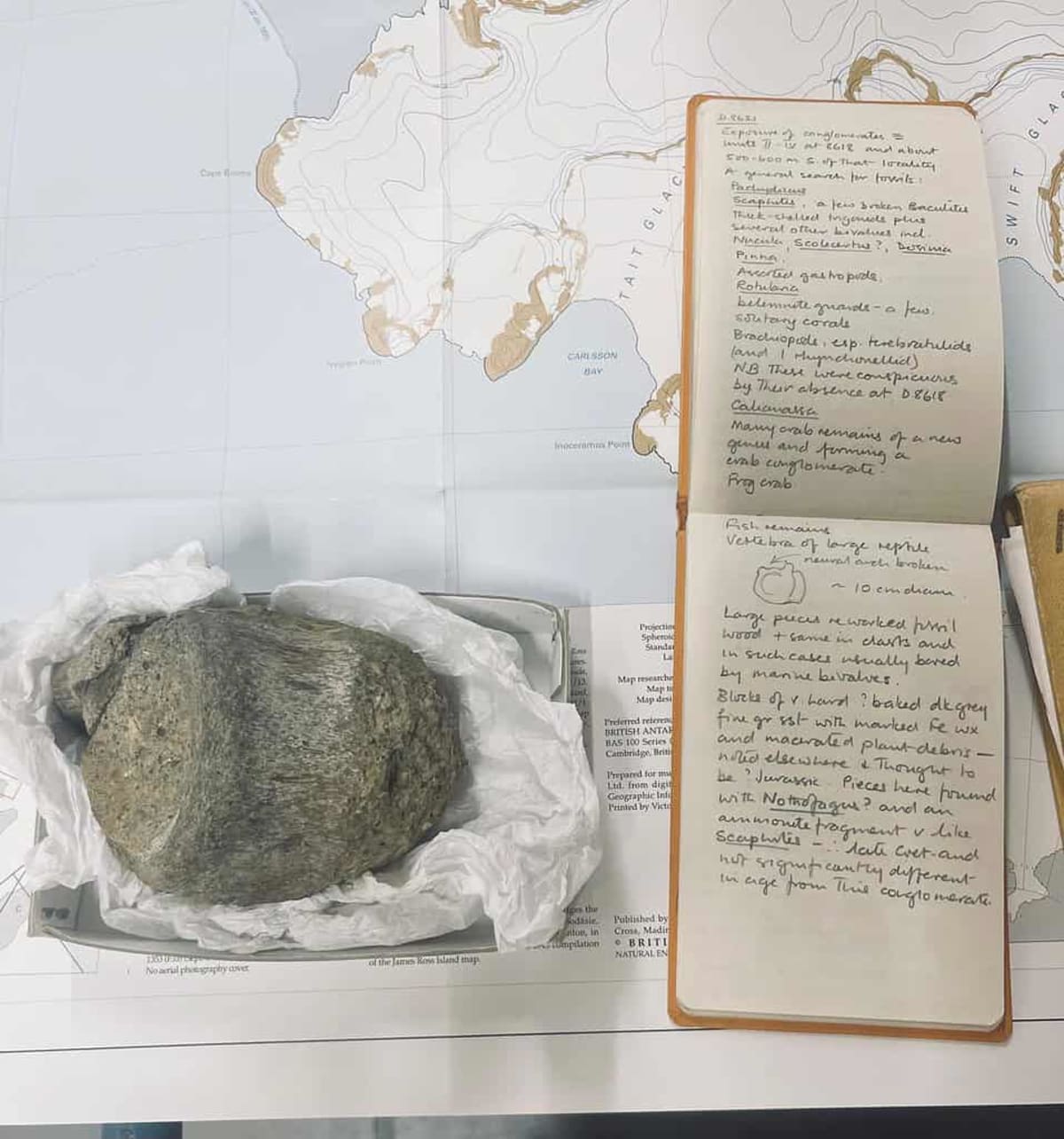
Dr. Mike Thomson picked up the 10-centimeter bone fragment during a 1985 geological expedition to James Ross Island near the Antarctic Peninsula. He sketched it in his field notebook, calling it a "vertebra of large reptile," then shipped it back to the British Antarctic Survey's collection in Cambridge where it gathered dust among thousands of other specimens.
For decades, everyone assumed it came from a marine reptile. That made sense since Thomson found it in marine rock layers, and nobody expected to find land dinosaurs in Antarctica.
Then a few years ago, Dr. Mark Evans, a paleontologist managing the collection, spotted something unusual about the bone. The shape didn't match any marine reptile he knew.
He called in Professor Paul Barrett from the Natural History Museum in London, an expert on sauropods. Barrett took one look and knew exactly what they had.
"As soon as I saw it, I knew what we were dealing with," Barrett told the BBC. "It was a dead cert we were dealing with a titanosaur."
The Bright Side
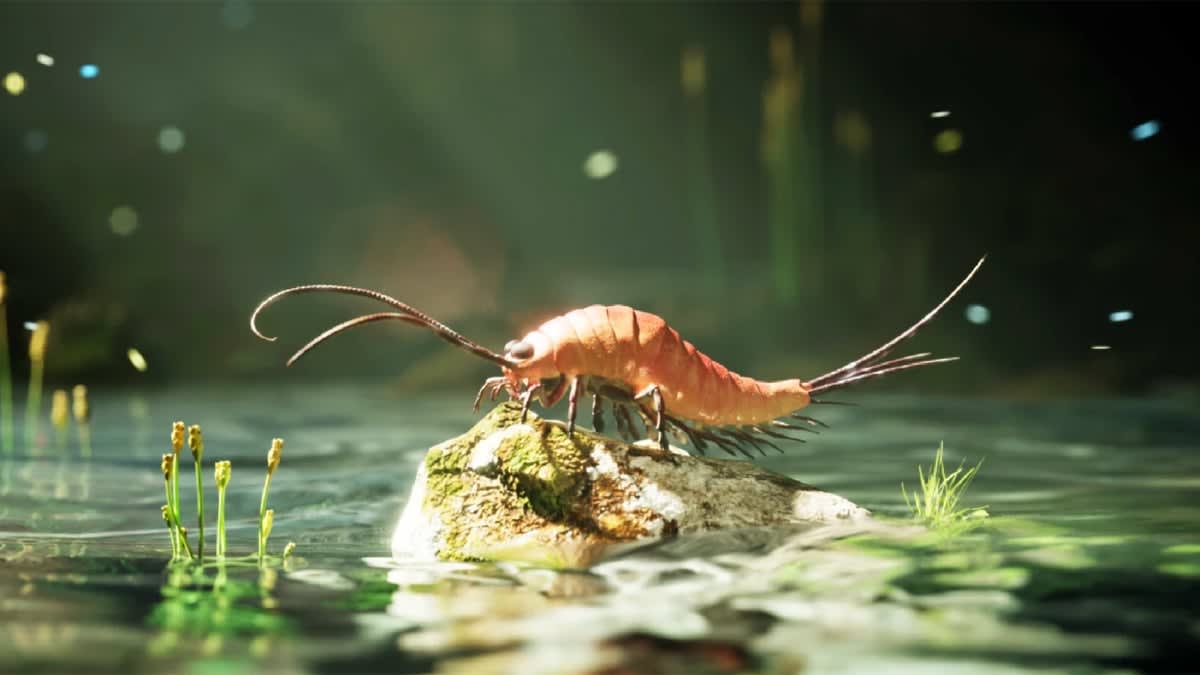
This discovery opens a window into an Antarctica that barely resembles the frozen continent we know today. When this titanosaur lived, Antarctica was warm, covered in forests, and still connected to other southern landmasses where its cousins thrived.
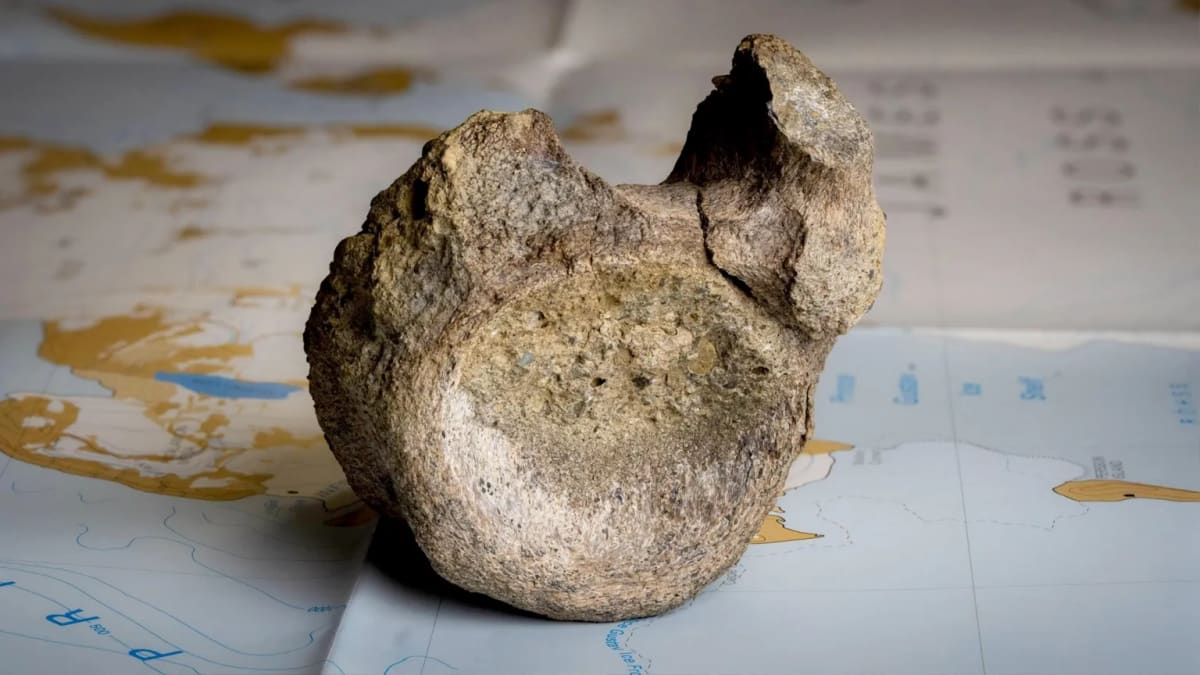
The fossil is a tail vertebra from a titanosaur, the group of long-necked, plant-eating dinosaurs that included the largest land animals ever to exist. Some titanosaurs stretched 35 meters long and weighed 60 tons, but this Antarctic individual was much smaller at six to seven meters long.
Scientists can't yet tell if it was a juvenile or a naturally small species that bucked the trend of gigantism in its family. Either way, it proves these gentle giants made it all the way to the southern tip of the prehistoric world.
Evans noted the special significance of confirming Thomson's original hunch after all these years. "He knew it was a large reptile so it's very special to confirm his find 40 years later."
The discovery reminds us that museum collections hold countless mysteries waiting for the right expert at the right moment to unlock secrets hiding in plain sight.
More Images
Based on reporting by Google: fossil discovery
This story was written by BrightWire based on verified news reports.
Spread the positivity!
Share this good news with someone who needs it