Forgotten Fossil Confirmed as Antarctica's First Dinosaur
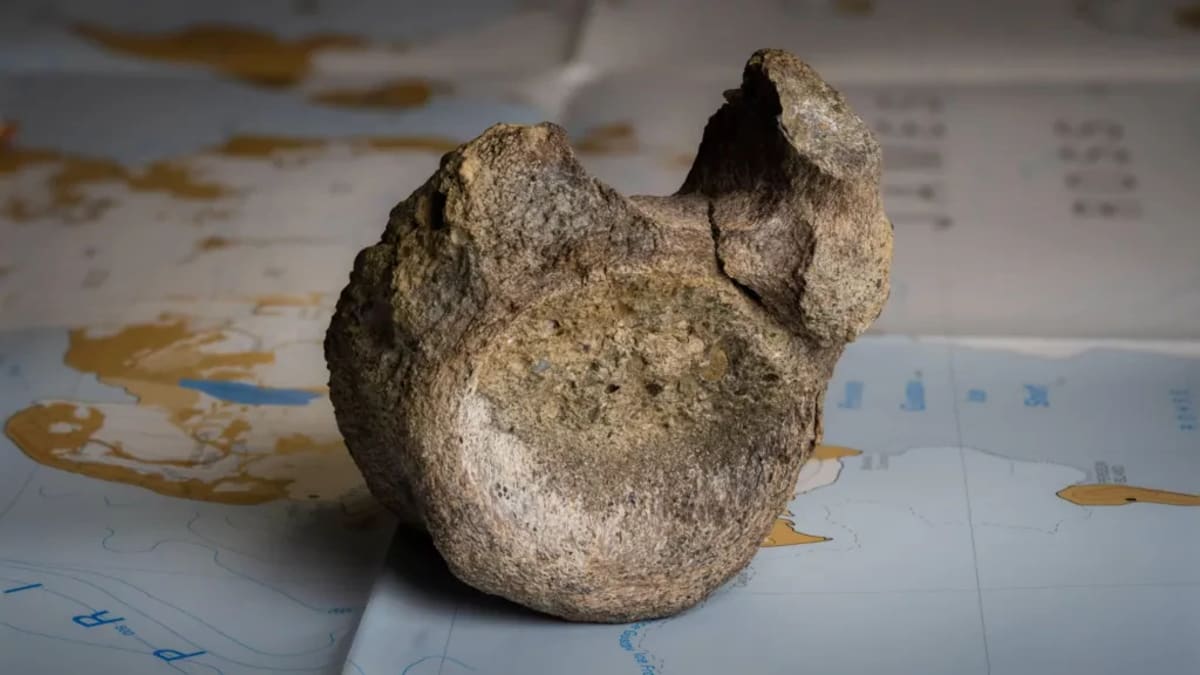
A fossil sitting in a drawer for 40 years has been confirmed as the first dinosaur bone ever found in Antarctica. The discovery proves that giant creatures once roamed the now-frozen continent.
A seemingly ordinary fossil, tucked away in a storage drawer since 1985, just made history as Antarctica's first confirmed dinosaur bone.
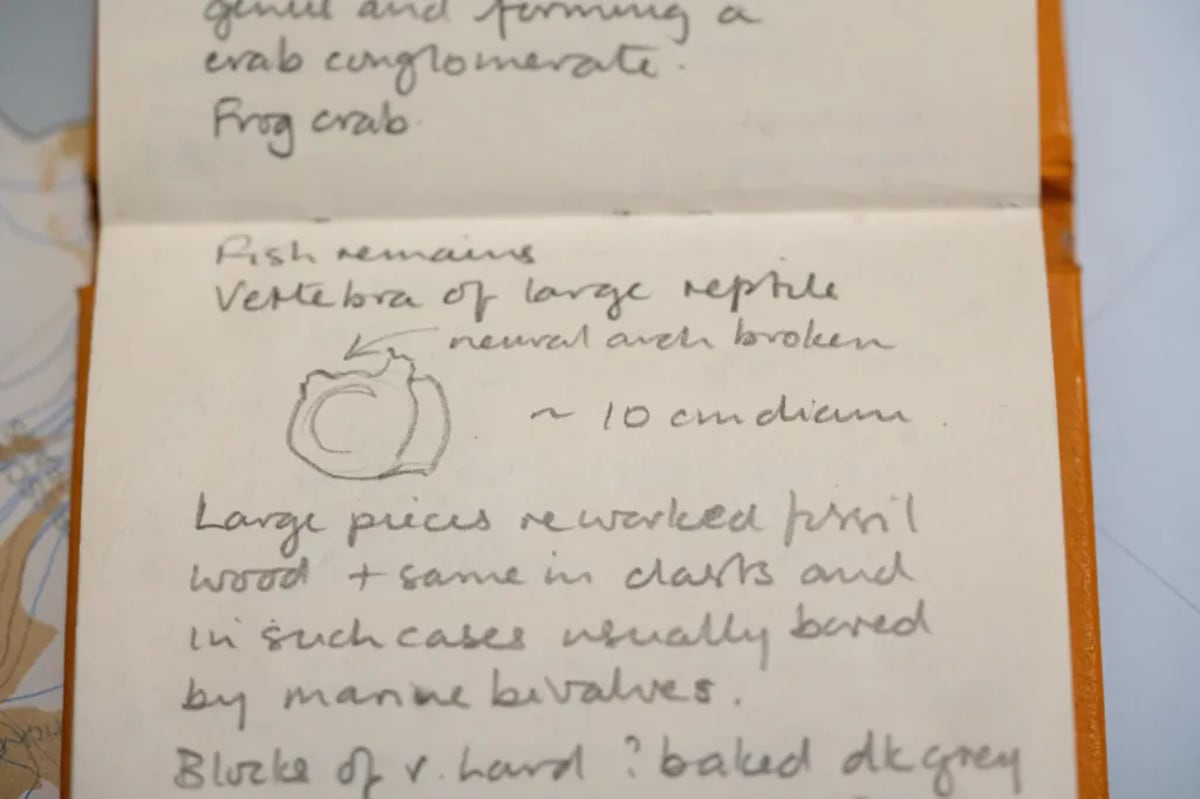
The fossil was excavated from James Ross Island in 1985 by geologist Dr. Mike Thomson, who sketched it in his field notebook and described it as a "giant reptile's spine bone" measuring 10 centimeters wide. His team assumed it belonged to a marine creature and stored it away in the British Antarctic Survey collection in Cambridge.
Fast forward four decades. Dr. Mark Evans, a curator at the survey, was sifting through thousands of samples from Antarctic expeditions when he stumbled upon the forgotten fossil. "When you start thinking about what might be in these drawers and start digging, sometimes you find interesting things," he said.
Evans suspected it looked more like a dinosaur bone than a marine fossil. Based on when it was discovered, he realized it could be the first dinosaur fossil ever found on the continent.
He called Professor Paul Barrett at the Natural History Museum for confirmation. Barrett knew immediately what they had found. "As soon as I saw it, I knew what we were dealing with," he said. "There is no doubt that it is a Titanosaur dinosaur."
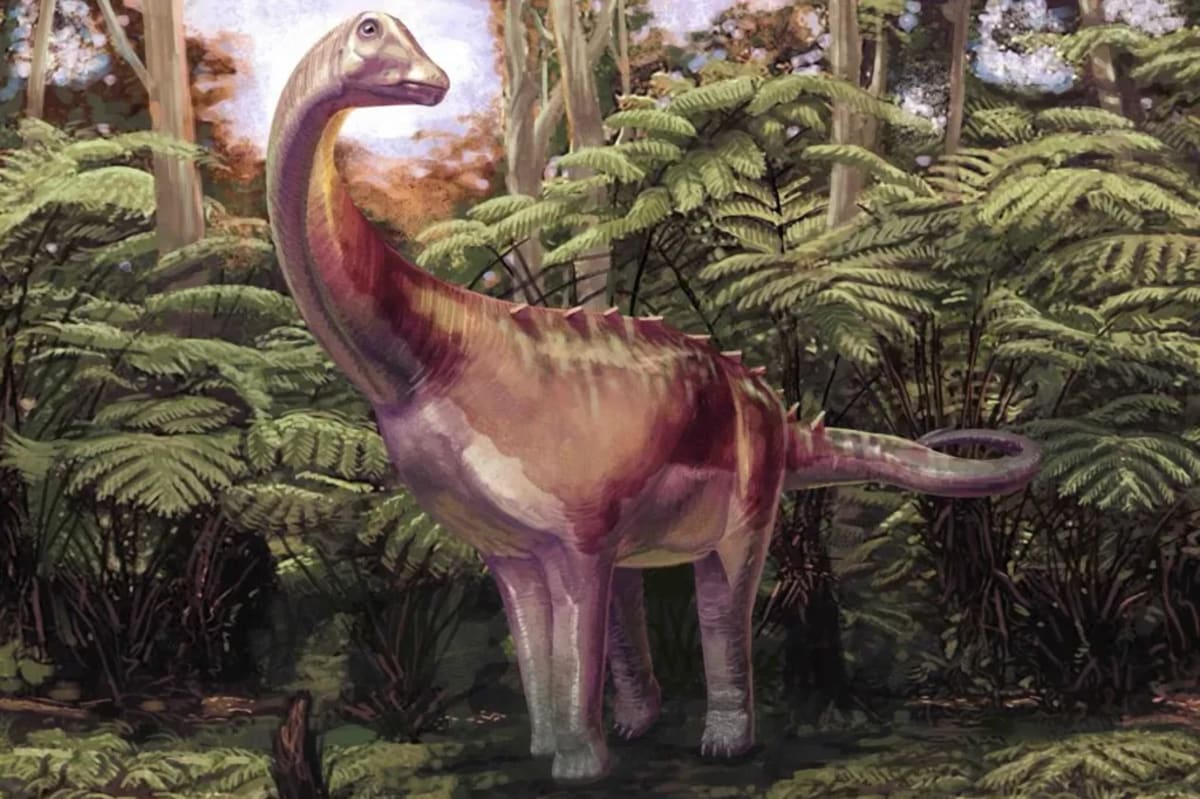
The bone belongs to the tail of a Titanosaur, a group that includes some of the largest creatures to ever walk the Earth. More than 100 species have been identified worldwide. All were long-necked, four-legged plant eaters, with the biggest reaching over 115 feet long and weighing up to 60 tons.
Based on the tail bone's size, scientists estimate this Antarctic Titanosaur was about 7 meters long. It could have been a young dinosaur or an adult from a smaller species within the group.
Why This Inspires
This creature walked Antarctica 82 million years ago during the Late Cretaceous period, when the continent wasn't covered in ice but filled with green forests. The discovery reminds us that our planet has transformed dramatically over time.
Finding fossils in Antarctica today is incredibly challenging because of extreme cold and ice coverage. That makes this confirmed identification even more remarkable after sitting unrecognized for four decades.
"It shows that a place that is uninhabitable for us today was once very suitable for life and was inhabited by giant creatures," Barrett said.
Even forgotten discoveries can still change what we know about our world.
More Images


Based on reporting by Google: fossil discovery
This story was written by BrightWire based on verified news reports.
Spread the positivity!
Share this good news with someone who needs it