Antarctica's Ice Library Saves Climate Clues for Future
Scientists just opened the world's coolest library at negative 50 degrees Celsius in Antarctica, storing endangered ice cores from melting glaciers worldwide. This frozen time capsule will let future researchers study pollution, climate patterns, and atmospheric changes from decades or centuries ago.
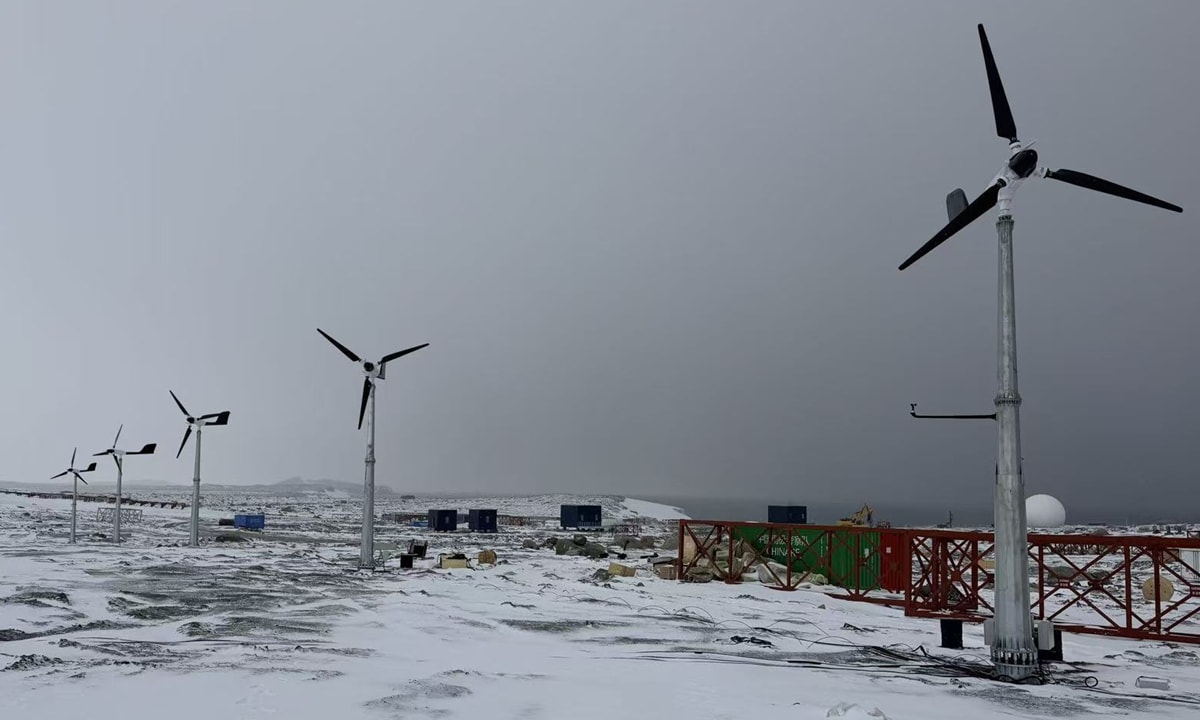
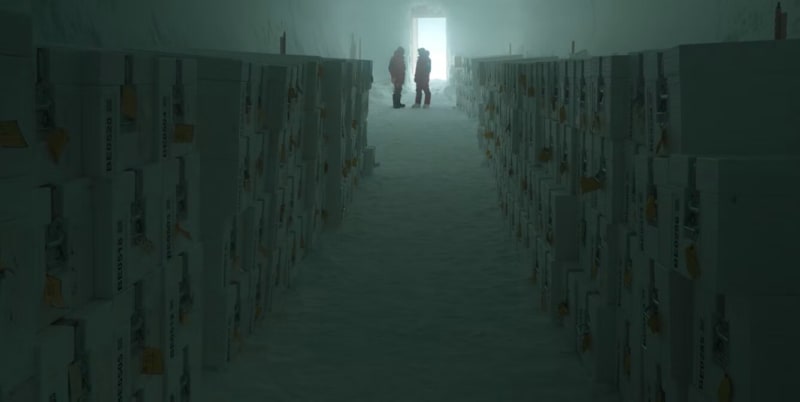
Deep beneath Antarctica's Concordia station, a library unlike any other opened its doors this week to protect humanity's climate memory.
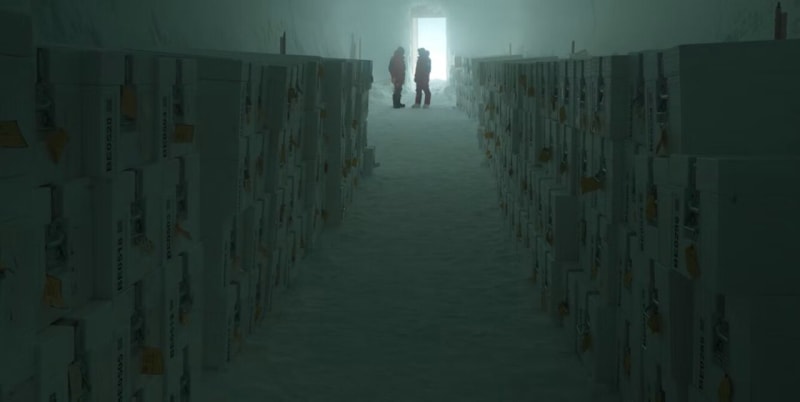
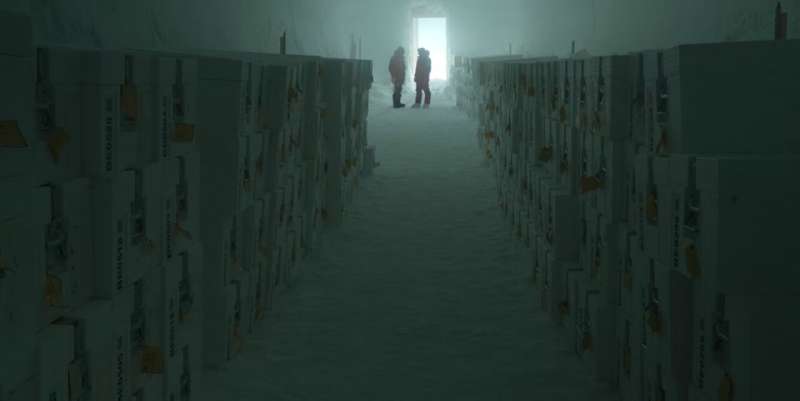
The Ice Memory Sanctuary stores ice cores rescued from glaciers that are rapidly melting across the Andes, Alps, Caucasus, and other mountain ranges. At negative 50 degrees Celsius, the natural deep freeze needs no electricity or refrigeration to keep these precious samples intact for centuries.
Think of each ice core as a frozen diary. Trapped inside are tiny bubbles of ancient air, dust particles from distant deserts, and traces of chemicals that floated through the atmosphere decades or even centuries ago. Scientists can read these frozen records to understand how our planet's climate has changed over time.
But glaciers worldwide are disappearing fast. Temperatures in the Alps are rising twice as quickly as the global average, and a recent study predicts glacier loss will peak around 2040. After that, the numbers will drop not because warming has stopped, but because there will simply be fewer glaciers left to melt.
"If, fifty years from now, a scientist wants to know what the concentration of a compound was in 2026, they can now turn to an ice core," explains Thomas Stocker, president of the Ice Memory Foundation and former co-chair of the IPCC's science working group. Without these rescued samples, that information would be lost forever.
The potential discoveries go far beyond climate science. Biologists might find ancient DNA preserved in the ice. Geologists can study mineral dust to understand past atmospheric conditions. Chemists can track how pollution spread across continents over time.
Why This Inspires
This project shows the power of thinking generations ahead. Scientists from multiple countries and disciplines are racing against time not for immediate answers, but to give researchers in 2075 or 2125 the tools they need to solve problems we haven't even discovered yet.
The sanctuary also proves that even during times of political tension, the scientific community can unite around protecting knowledge for all humanity. Every nation's scientists can access these cores, making it a true global resource.
As glaciers vanish one by one from mountain peaks, this Antarctic vault ensures their stories won't disappear with them. Future scientists will have the keys to unlock mysteries about our atmosphere, climate, and environment that today's technology can't even measure yet.
The race is on to save what's left before summer meltwater destroys these irreplaceable archives forever.
More Images

Based on reporting by Phys.org
This story was written by BrightWire based on verified news reports.
Spread the positivity!
Share this good news with someone who needs it