Apple Watch Detects Heart Issues 4x Better Than Standard Care
A smartwatch worn just 12 hours daily caught dangerous heart rhythm problems four times more often than traditional monitoring, potentially preventing strokes before they happen. Most patients diagnosed had no idea anything was wrong.
Your smartwatch might save your life, and new research proves it's not just hype.
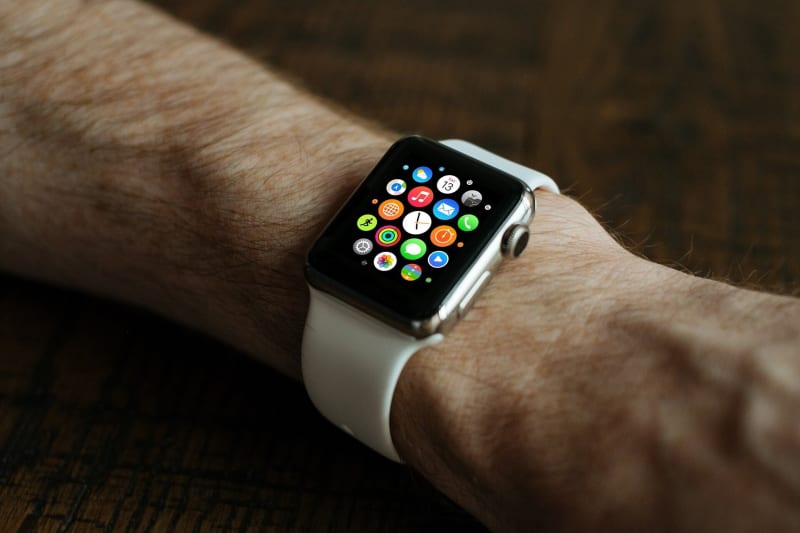
A six-month study from Amsterdam UMC found that patients wearing an Apple Watch were diagnosed with atrial fibrillation four times more often than those receiving standard care. Out of 219 patients over 65 who wore the watch, 21 were diagnosed and treated for the dangerous heart rhythm, compared to just five in the standard care group.
Here's what makes this discovery remarkable: 57% of smartwatch users diagnosed had zero symptoms. They had no idea their hearts were quietly putting them at risk for stroke.
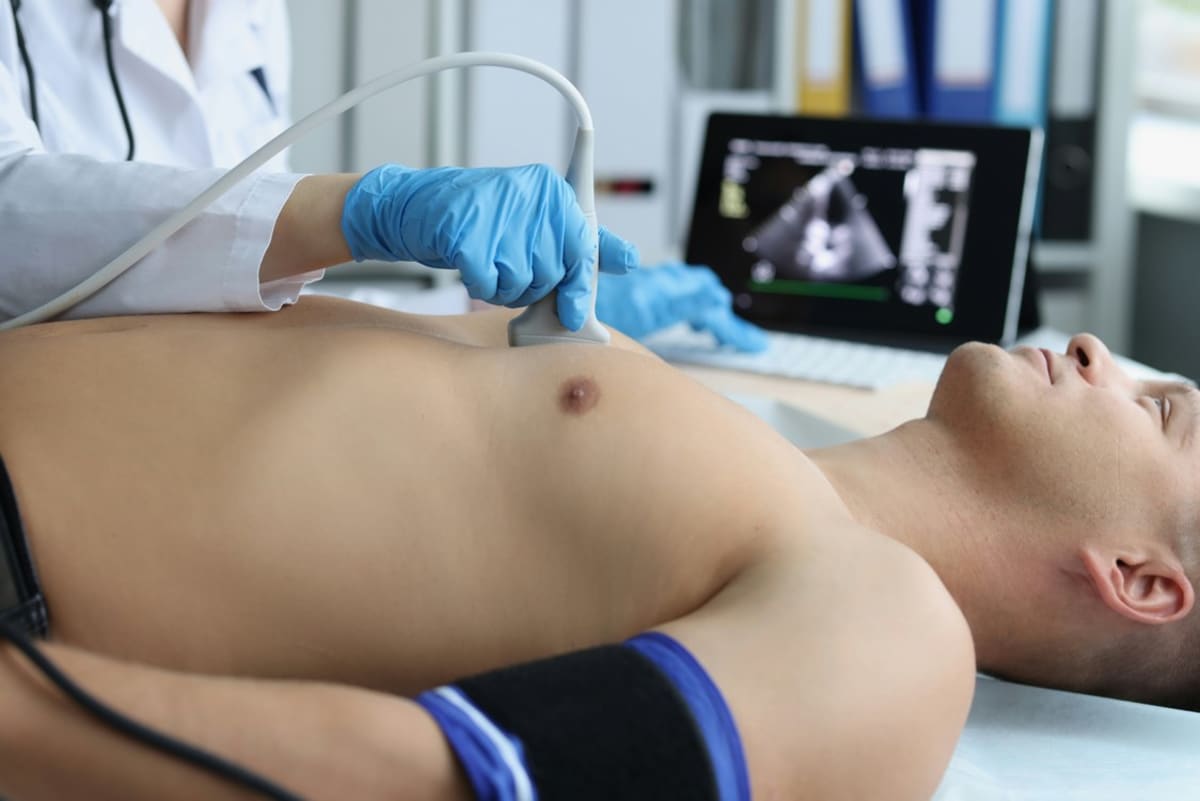
"Traditionally, monitoring takes place with other ECG devices, but patients can find them a bit irritating, and most of them can only monitor for two weeks at a time," says Dr. Michiel Winter, a cardiologist who led the research.
Atrial fibrillation happens when your heart's upper chambers beat irregularly. This creates the perfect conditions for blood clots to form, and if those clots travel to your brain, the result is a stroke. Catching the problem early means doctors can treat it before disaster strikes.
The study participants wore their watches for 12 hours daily over six months. The devices tracked both pulse and electrical heart activity using PPG and ECG functions, technology that's been available for a while but never tested this thoroughly in real-world medical settings.
Standard monitoring usually involves wearing separate ECG devices that many patients find uncomfortable. Those devices also have a time limit of about two weeks, which means they might miss irregular rhythms that come and go.
The Ripple Effect
The benefits extend far beyond individual patients. Preventing strokes doesn't just save lives, it dramatically reduces the burden on healthcare systems.
Stroke treatment and recovery require expensive hospital stays, rehabilitation, and long-term care. By catching atrial fibrillation early with a device many people already own, the healthcare system could save money that would quickly offset the cost of providing watches to at-risk patients.
Dr. Winter presented these findings at the European Society of Cardiology's annual symposium, offering solid evidence that wearables work for long-term heart monitoring. The research appears in the Journal of the American College of Cardiology, one of the most respected medical journals in the field.
For people over 65 at elevated stroke risk, this technology offers something precious: early warning. Instead of waiting for symptoms that might never appear until it's too late, a simple watch can alert doctors to problems hiding in plain sight.
The future of preventive care might already be sitting on your wrist.
More Images


Based on reporting by Medical Xpress
This story was written by BrightWire based on verified news reports.
Spread the positivity!
Share this good news with someone who needs it