Archaeologists Find 1,300-Year-Old Baptism Halls at Hippos
Excavators at an ancient Byzantine cathedral overlooking the Sea of Galilee just uncovered something never seen before: two complete baptism halls in a single church. The discovery is rewriting what historians thought they knew about early Christian rituals.
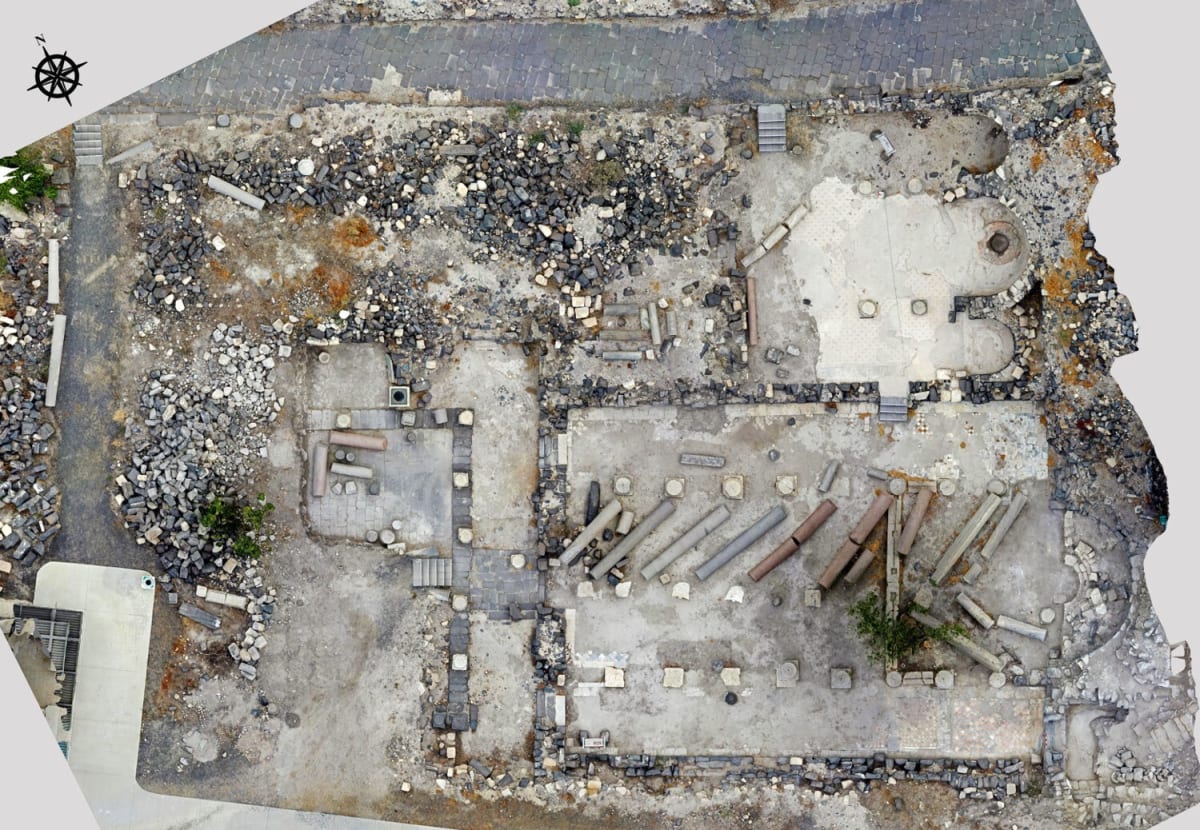
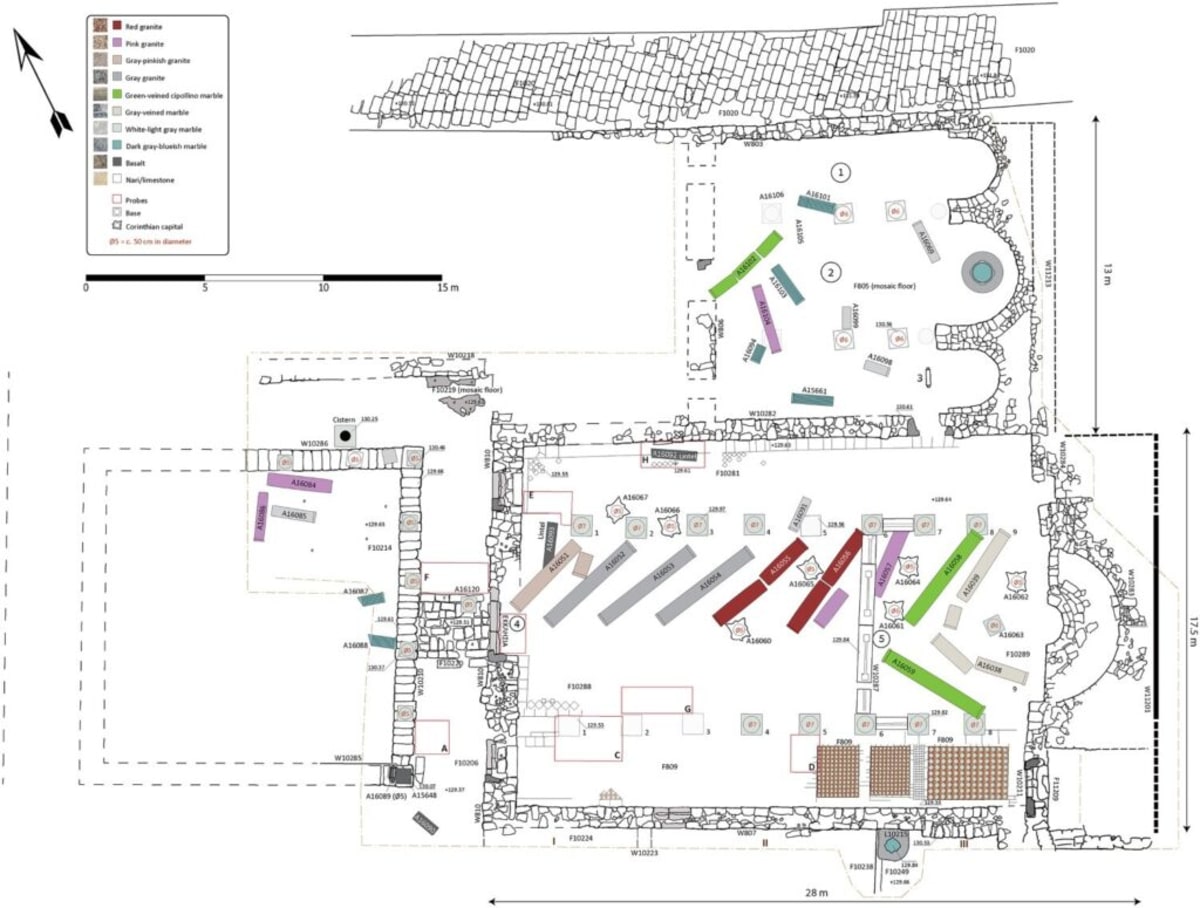
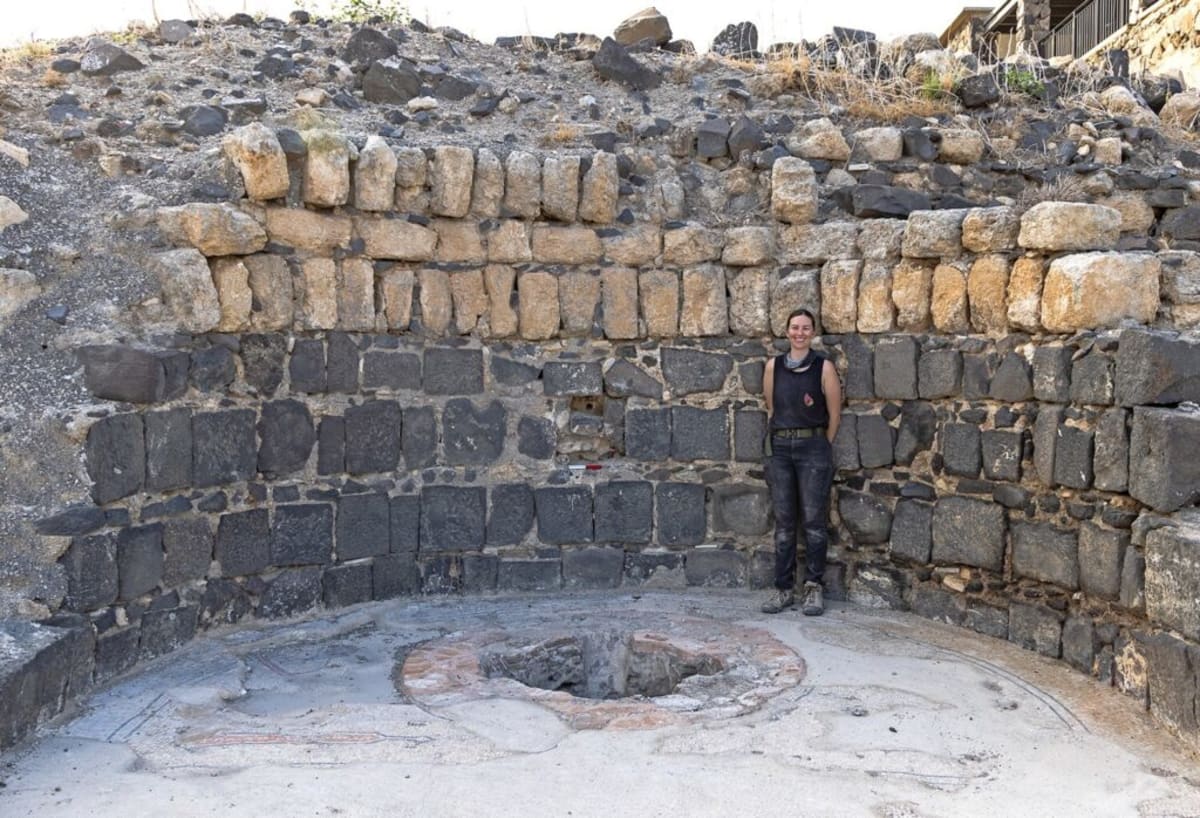
Archaeologists digging at the ruins of Hippos, an ancient city perched above the Sea of Galilee, have unearthed a religious mystery hidden for over 1,300 years. They found something no other early Christian church has ever revealed: two fully equipped baptismal halls operating side by side.
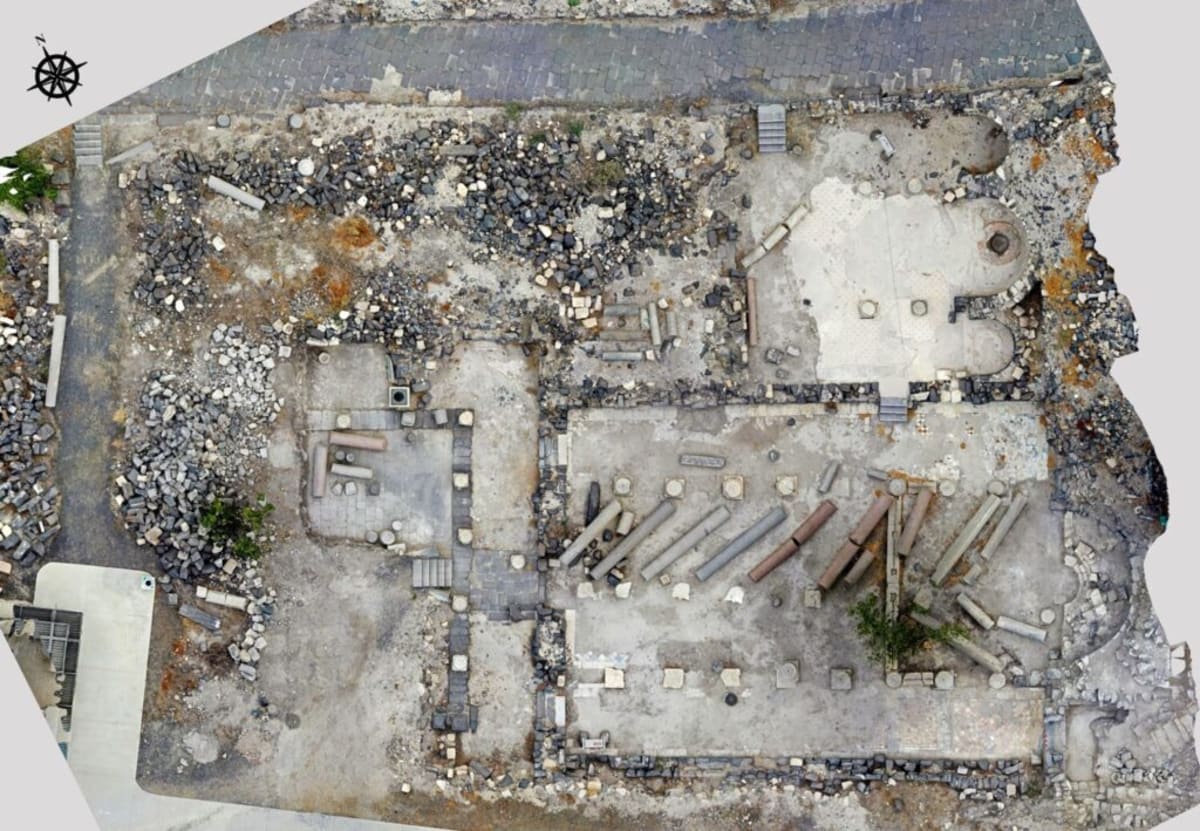
The discovery happened at Hippos Cathedral, a major Byzantine worship center that served thriving communities in the 6th and 7th centuries. While excavating what they thought was just another church wing, researchers uncovered a second baptismal space complete with its own font, sacred objects, and ceremonial tools.
Most Byzantine churches had just one baptistry for their entire congregation. This dual system suggests something special was happening at Hippos.
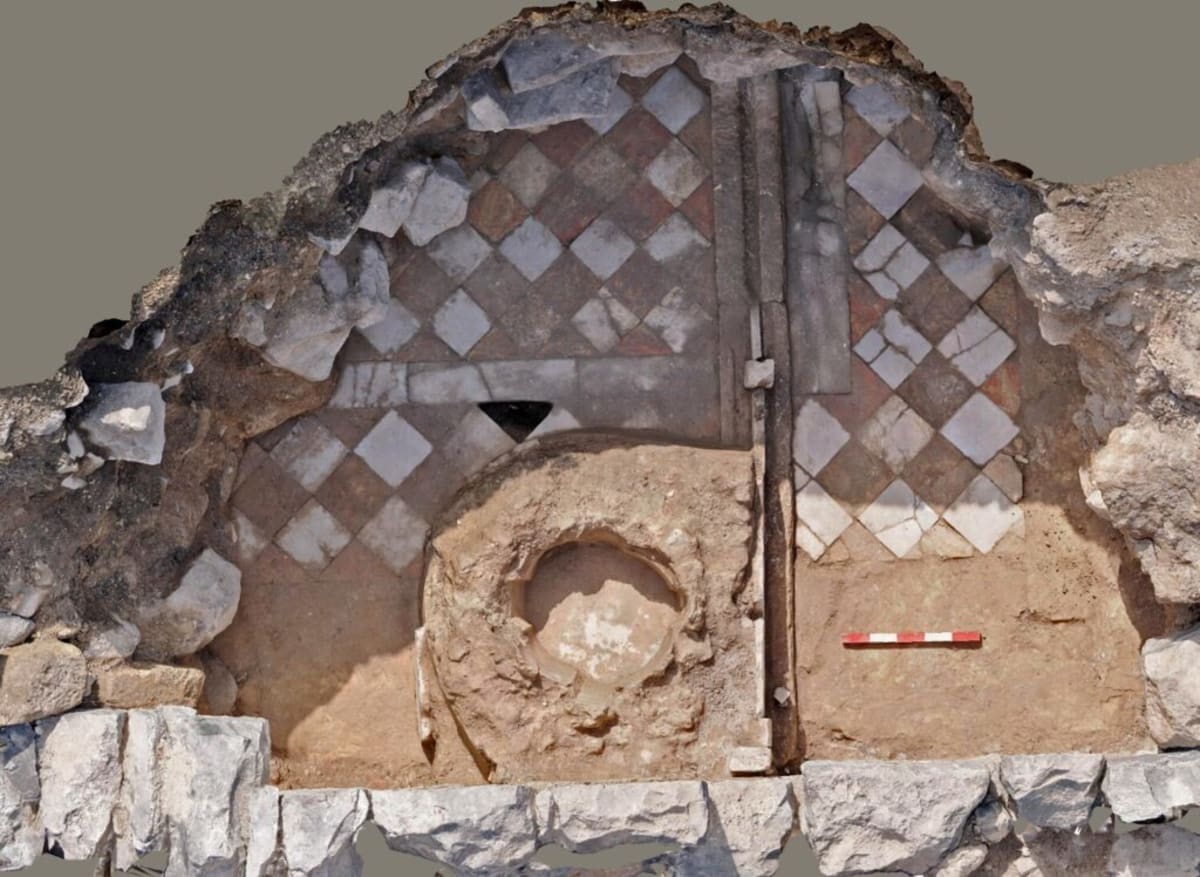
Researchers believe the two halls may have served different purposes. The larger, original baptistery likely hosted adult initiation ceremonies using flowing "living water," a requirement in early Christian tradition. The smaller southern hall, added around 590 CE, featured a corner font that used still water and may have been designed specifically for baptizing children.
The timing matters too. Adding a second baptismal space during the late 6th century suggests either a booming population of new converts or evolving theological practices that required separate ceremonies.
Why This Inspires
What makes this find truly remarkable is what survived inside. Unlike most ancient religious sites that were looted over centuries, this baptistery was suddenly buried by a massive earthquake in 749 CE. The collapse created an accidental time capsule.
Among the preserved treasures: a marble block with three bowl-shaped cavities that likely held different sacred oils for a three-stage anointing ritual never clearly documented before. Researchers also found a massive marble reliquary designed to house saint relics, with a special lid that allowed oil to be poured over them for blessing ceremonies.
A bronze candelabrum standing over three feet tall shows the artistic skill of the community. Its decorative feet shaped like animals and sophisticated metalwork reveal a congregation that valued beauty in worship.
The objects tell a story of adaptation and creativity. Early Christians at Hippos weren't just following rigid rules. They were blending baptism ceremonies with saint veneration, creating hybrid spaces that served multiple sacred purposes at once.
The site is still revealing its secrets. Each careful brushstroke removing centuries of dirt brings researchers closer to understanding how real people practiced their faith in this ancient community. Their innovations in architecture and ritual are changing assumptions about Byzantine Christianity across the entire region.
What was lost in an instant of catastrophe has become a gift to the present, showing us that beneath our feet lie countless stories still waiting to be told.
More Images
Based on reporting by Google: archaeological discovery
This story was written by BrightWire based on verified news reports.
Spread the positivity!
Share this good news with someone who needs it
%2Fhttps%3A%2F%2Ftf-cmsv2-smithsonianmag-media.s3.amazonaws.com%2Ffiler_public%2F95%2F43%2F9543c0d6-d8e6-41b5-acd2-e351ebf3f44a%2Fvikingesoelvskat-rebild-2026-6-2048x1365.jpeg)