Scottish Island Older Than Stonehenge Mapped in 3D
Archaeologists discovered a 5,000-year-old artificial island hidden beneath a Scottish loch, revealing a mysterious structure built before Stonehenge. Using breakthrough underwater imaging, they're unlocking secrets of communities who built these islands thousands of years ago.
A wooden platform older than Stonehenge has been hiding in plain sight beneath what looks like a small stone island in a Scottish lake.
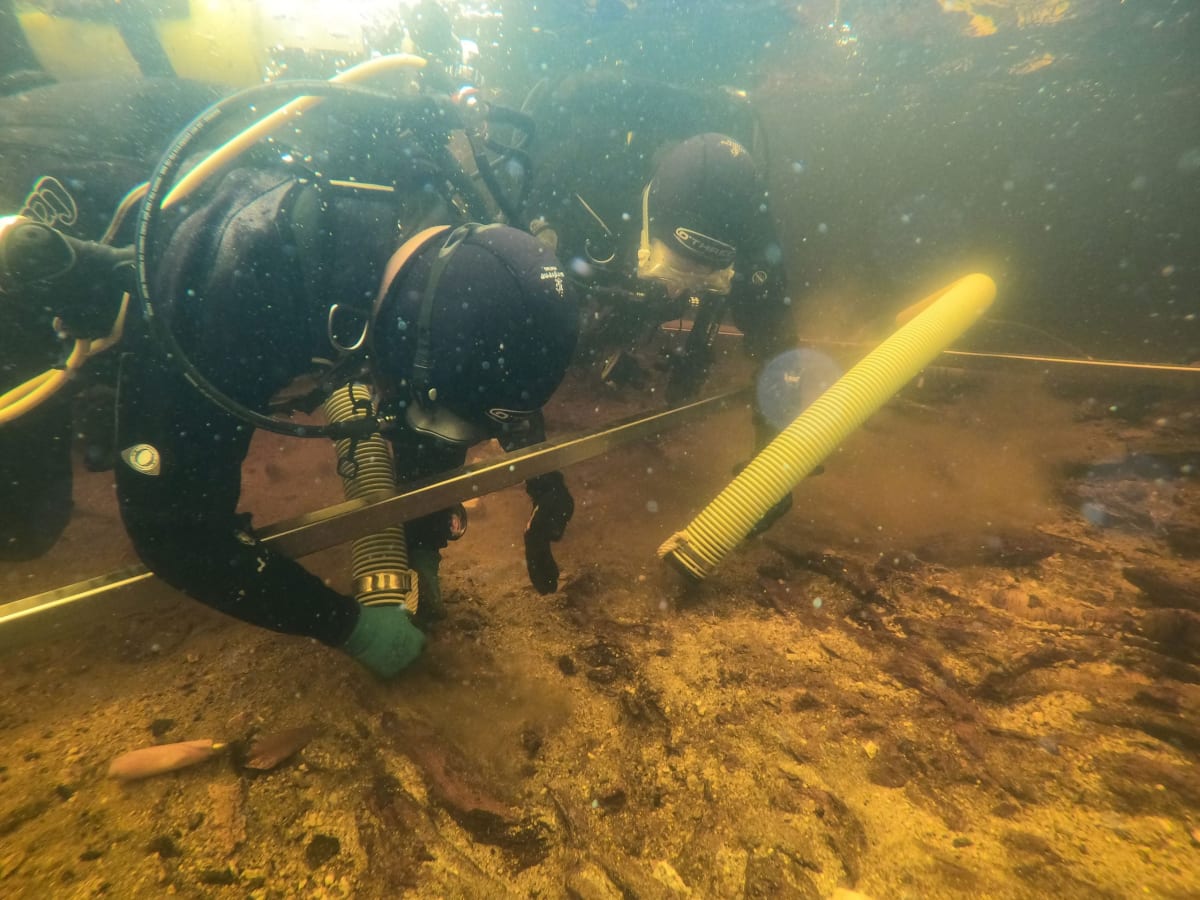
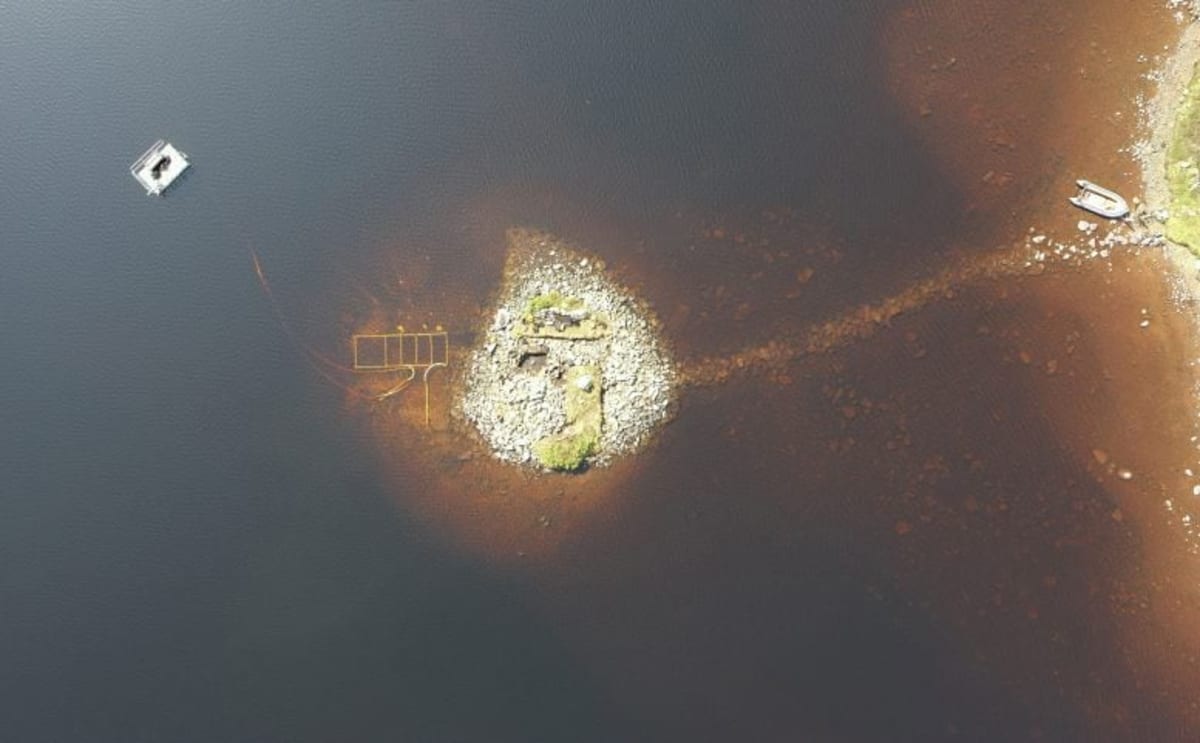
Archaeologists from the University of Southampton excavated the crannog, a type of artificial island, in Loch Bhorgastail on the Isle of Lewis. What they found challenges everything we thought we knew about ancient Scottish communities.
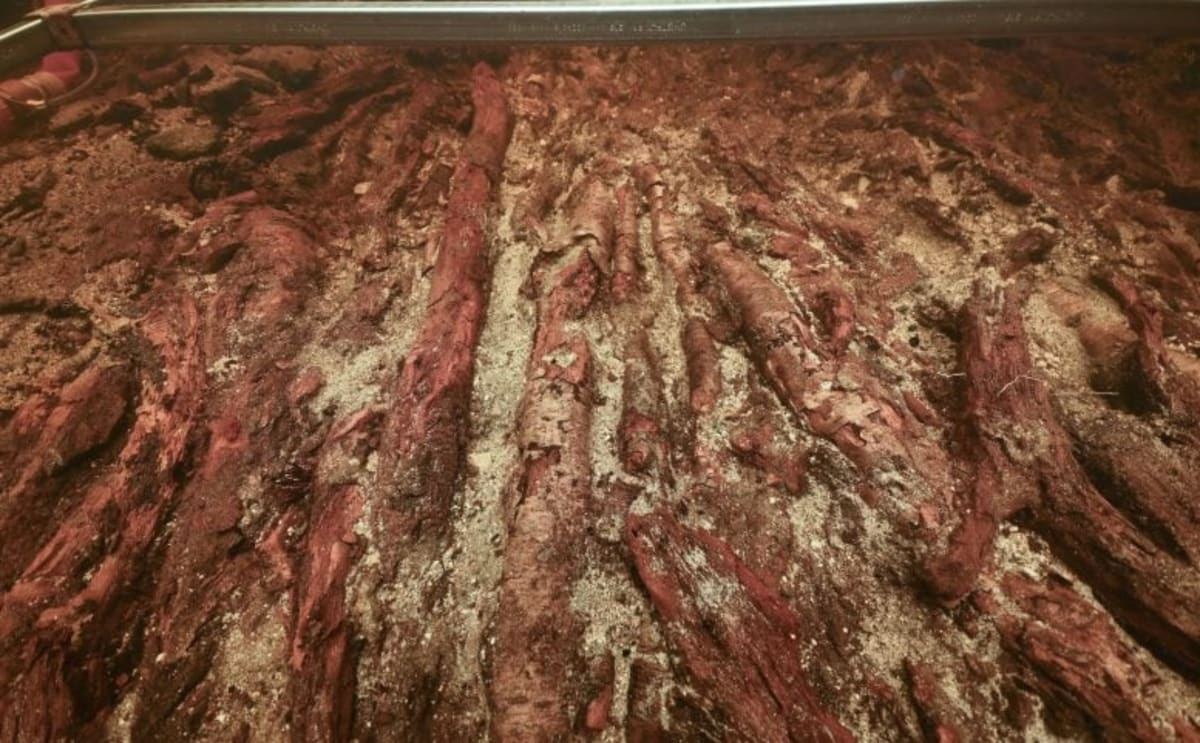
The site started as a circular wooden platform about 75 feet wide, covered with brushwood, more than 5,000 years ago. That makes it older than Stonehenge, which was built around 3000 BC.
Dr. Stephanie Blankshein, who led the research, explains that crannogs are small artificial islands dotting Scottish lochs. For years, experts believed most were built during the Iron Age, but this discovery proves some were constructed much earlier, during the Neolithic period between 3800 and 3300 BC.
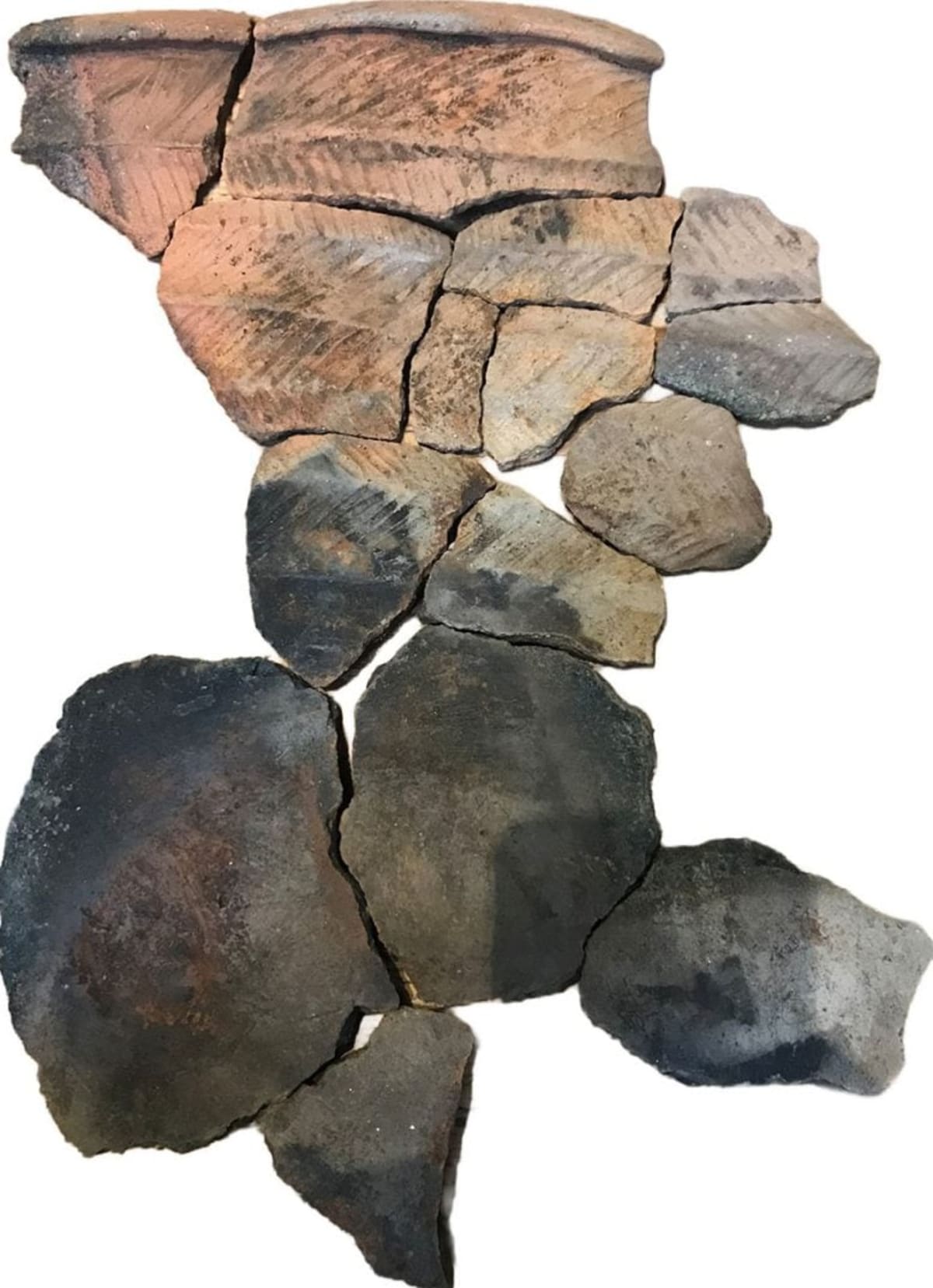
The team found hundreds of pottery fragments scattered in the water around the island, including pieces from jars and bowls still containing food residue. An underwater stone causeway connects the island to the shore.
Over thousands of years, people returned to this spot again and again. About 2,000 years after its creation, during the Middle Bronze Age, they added another layer of brushwood and stone. A thousand years later, the site saw more activity during the Iron Age.
Why This Inspires
What makes this discovery truly exciting is what it reveals about our ancestors. Building these islands required enormous effort and coordination. Communities had to organize themselves, gather resources, and work together on a massive construction project.
The pottery and worked stone suggest people gathered here for communal activities like cooking and feasting. These weren't just shelters or simple dwellings. They were significant meeting places that mattered enough for people to invest tremendous energy into creating them.
The researchers also developed a new shallow-water imaging technique that could help unlock hundreds of similar unexplored sites across Scotland. Using two small waterproof cameras on a frame, they created the first complete 3D map of a crannog both above and below the waterline.
Professor Fraser Sturt notes that imaging shallow water has always frustrated archaeologists because of sediment, choppy conditions, and distorted light. This portable, cost-effective solution changes that.
Hundreds of crannogs exist in Scottish lochs, and many remain unexplored or undiscovered. Each one holds clues about how our ancestors lived, worked, and came together as communities thousands of years before recorded history.
These ancient builders left us a gift: proof that humans have always found ways to create gathering places that bring people together.
More Images
Based on reporting by Google: archaeological discovery
This story was written by BrightWire based on verified news reports.
Spread the positivity!
Share this good news with someone who needs it