Arctic Fossil Left Behind in 1948 Now a Record Predator
Scientists who abandoned a massive fossil on a freezing Arctic island in 1948 never imagined it would become the largest discovery of its kind. Nearly 80 years later, that weathered skull revealed an entirely new species of ancient predator.
A battered fossil skull left on a remote Arctic mountaintop has finally revealed its secrets after spending decades exposed to ice, wind, and snow.
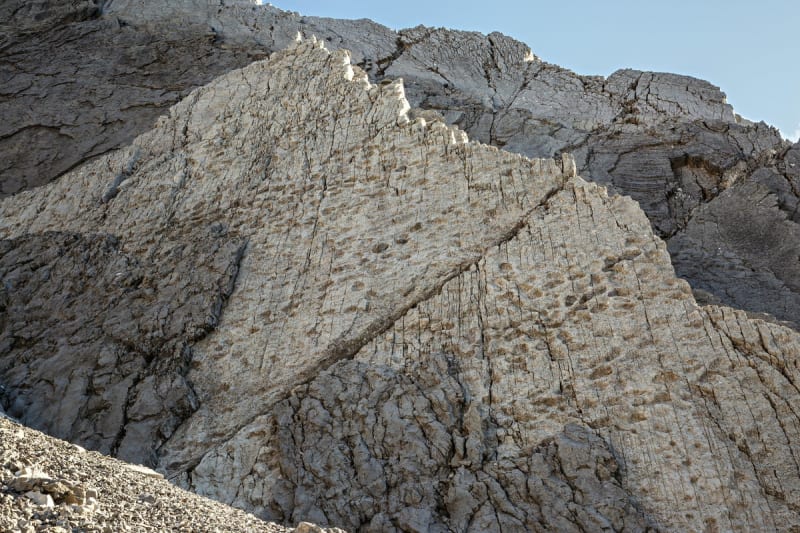
In 1948, a British expedition found enormous fossil remains on Bear Island, high in the Arctic. The team couldn't carry the massive specimen down the mountain, so they photographed it, collected a few bones, and left the rest behind.
They assumed the harsh Arctic winters would destroy what remained. For 36 years, the fossil sat abandoned until a Norwegian team stumbled upon it again in 1984.
What they found had been thoroughly beaten by nature. Cracks spiderwebbed across the ancient bones, and chunks had broken off during nearly four decades of exposure to the elements.
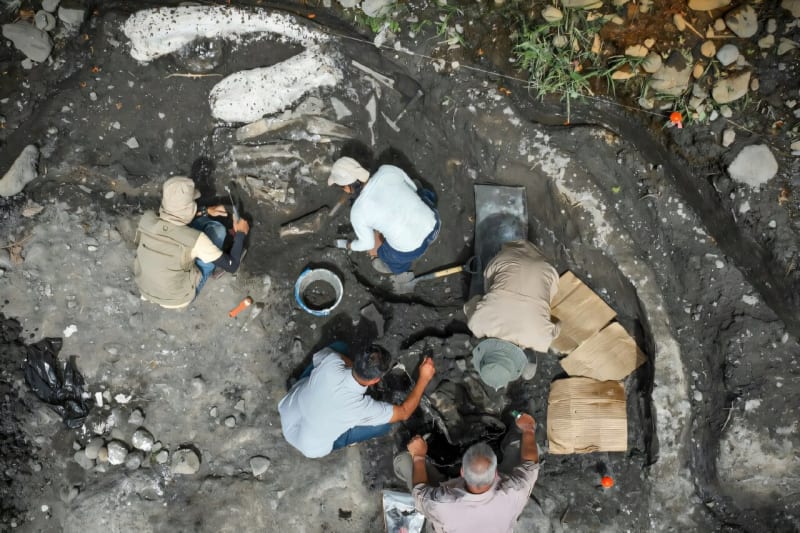
After a week of careful excavation, researchers finally brought the fossil to safety. Yet it would sit largely unstudied for another few decades until scientists at the State Museum of Natural History Stuttgart finally prepared it for analysis.
The wait was worth it. The creature turned out to be Arctobatrachus urdensis, a completely new species of plagiosaurid from the Triassic period, roughly 240 million years ago.
At 2.7 meters long (nearly 9 feet), it's the largest plagiosaurid ever discovered. Its skull alone measured 70 centimeters wide but only 21 centimeters long, creating an unusual boomerang shape that paleontologist Rainer Schoch describes as "near-perfect semicircle."
These flat-bodied creatures were ambush predators that lurked at the bottom of ancient rivers, lakes, and seas. They would lie in wait and suck prey into their wide mouths lined with tiny teeth.
Why This Inspires
This discovery shows how patience and perseverance in science pay off across generations. The 1948 expedition made the best choice they could, documenting what they found even though they couldn't bring it home.
The fossil's survival against all odds gave modern researchers something extraordinary. Its features suggest it was one of the earliest plagiosaurids, offering a rare glimpse into how these bizarre creatures evolved from active swimmers into flatter, more sedentary forms.
Fossils like this giant flat-headed predator connect us to Earth's ancient past in ways nothing else can. They remind us that our planet has stories stretching back hundreds of millions of years, just waiting to be discovered.
Sometimes the best discoveries are the ones that refuse to disappear, even when left alone on a frozen mountaintop for nearly 80 years.
More Images



Based on reporting by Google: fossil discovery
This story was written by BrightWire based on verified news reports.
Spread the positivity!
Share this good news with someone who needs it