Arizona Builds Two Instruments for 2029 Space Telescope
The University of Arizona will build two of three instruments for Lazuli, a new space telescope launching in 2029 that can detect planets a billion times dimmer than the stars they orbit. The project brings cutting-edge planet-hunting technology to space in record time.
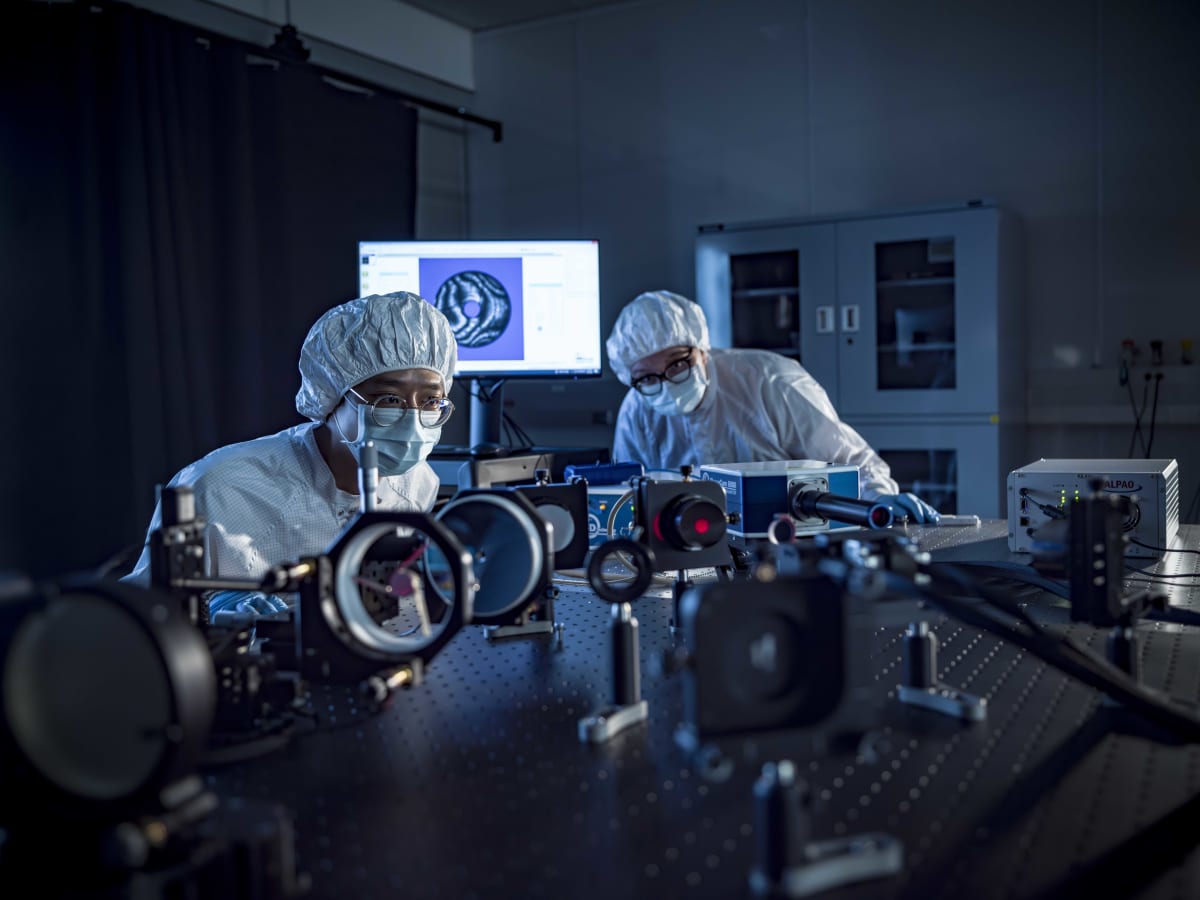
In a basement lab at the University of Arizona, scientists in bunny suits are building the future of planet hunting.
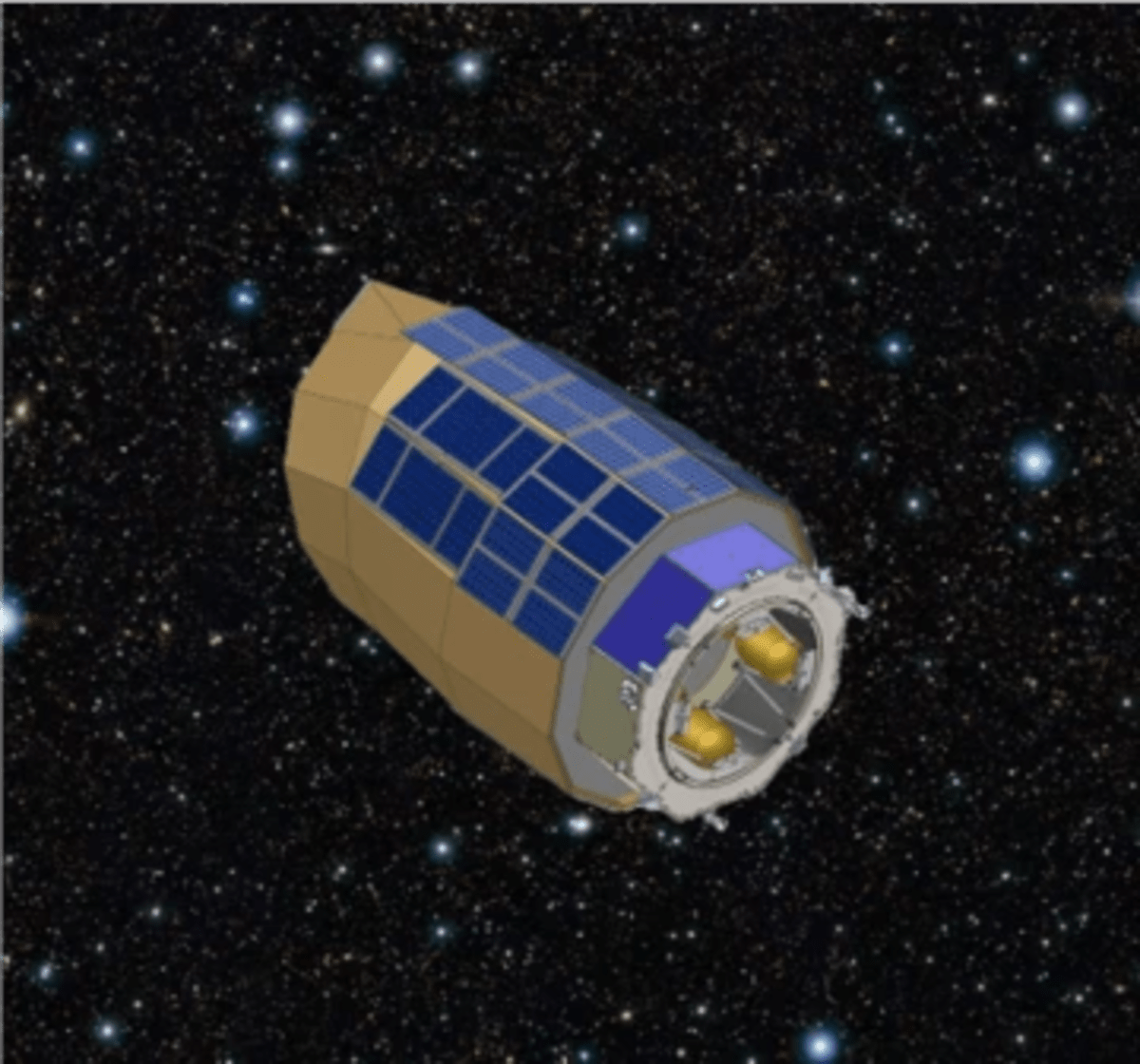
The university will develop two instruments for Lazuli, a new three-meter space telescope set to launch by 2029. The telescope is part of the Eric and Wendy Schmidt Observatory System, designed to accelerate scientific discovery through rapid development and open data sharing.
The ExtraSolar Coronagraph and Widefield Context Camera will work together to image giant planets and dust disks around nearby stars. These instruments will improve on the Hubble Space Telescope's sensitivity by several orders of magnitude.
"We believe major discoveries happen when new capabilities are placed in the hands of creative scientists," said Arpita Roy, who leads the Astrophysics Center at Schmidt Sciences. "Our goal is to shorten the distance between technological possibility and scientific impact."
The coronagraph uses an innovative approach: taking adaptive optics technology normally used on Earth into space. On the ground, telescopes use deformable mirrors to compensate for atmospheric blurring, but in space, the challenge is different.
Lazuli will continuously correct for nanometer-level errors caused by mirror imperfections and temperature changes. This creates "dark holes" where optical errors vanish, revealing planets a billion times dimmer than their host stars.
The project represents a new philosophy in space science: building capable instruments quickly using commercial, off-the-shelf components rather than spending decades on custom hardware. The Widefield Context Camera exemplifies this with its array of detectors and filters, featuring no moving parts.
Why This Inspires
What makes this project special is its commitment to speed and openness. Advanced computing allows real-time data analysis in orbit, using software already developed by students and scientists at Arizona for ground-based instruments.
The team plans to share all software and data publicly so future projects can build on their work. This openness will help accelerate innovation for upcoming missions like NASA's Nancy Grace Roman Space Telescope and the planned Habitable World Observatory.
The University's Space Astrophysics Lab houses one of the few places in the world where coronagraphs can be tested in vacuum conditions. This facility has enabled the team to study and publish new approaches that will optimize Lazuli.
Within five years, this telescope could reveal Neptune-sized planets orbiting nearby stars by detecting their reflected light. The ambitious timeline shows how modern approaches to space instrumentation can deliver breakthrough capabilities faster than ever before.
More Images


Based on reporting by Google: James Webb telescope
This story was written by BrightWire based on verified news reports.
Spread the positivity!
Share this good news with someone who needs it