Artemis 2 Astronauts See Colors on Moon Nobody Expected
NASA's Artemis 2 crew returned from their historic lunar flyby with surprising observations that amazed even the scientists who trained them. The moon turned out to be far more colorful than anyone imagined.
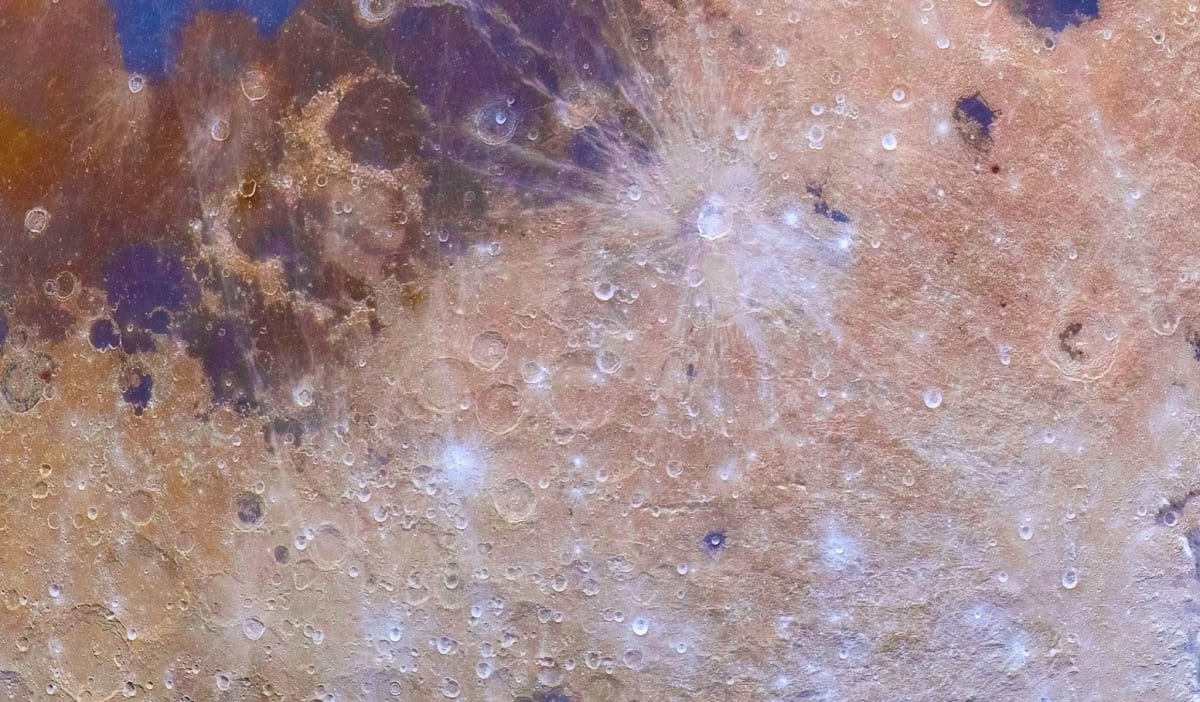
When NASA's Artemis 2 astronauts circled the far side of the moon in April, they saw something that shocked them and the scientists back on Earth. The moon was bursting with color.
No human had witnessed this view in over 50 years. What the crew described during their closest approach changed how lunar scientists understand our celestial neighbor.
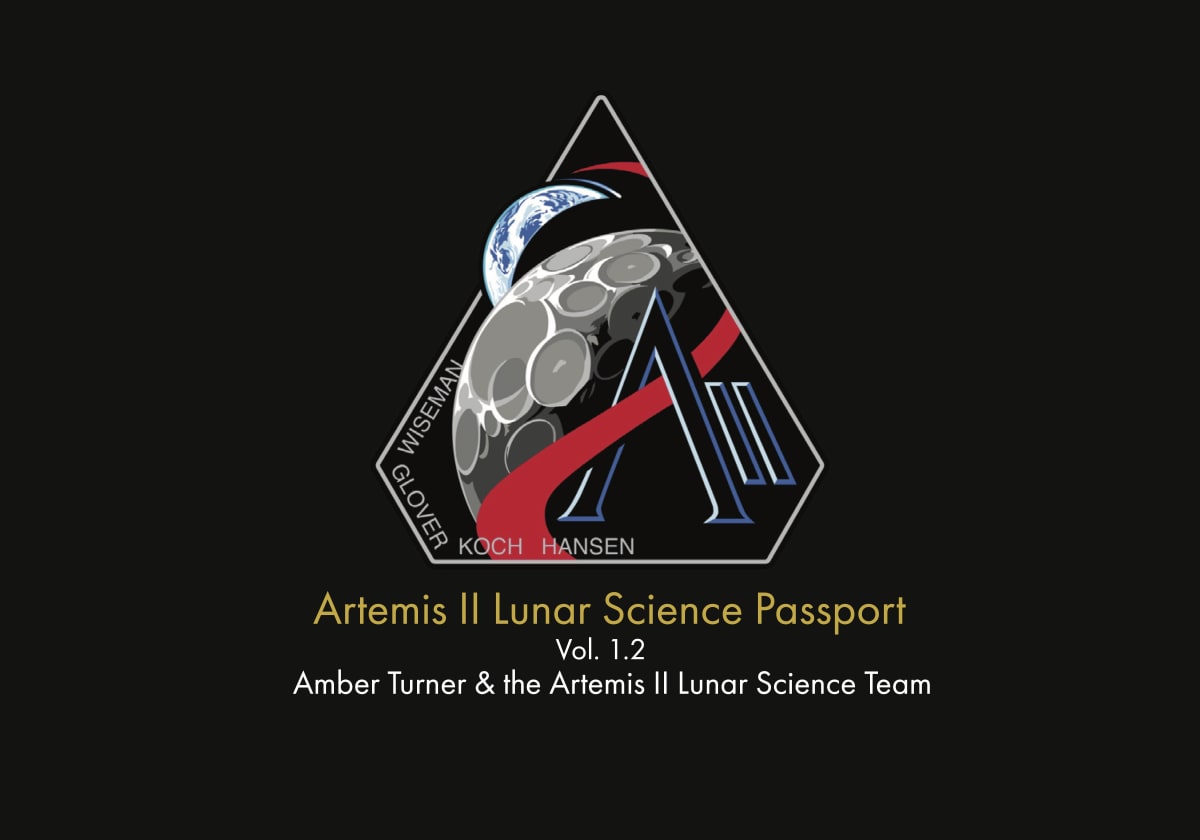
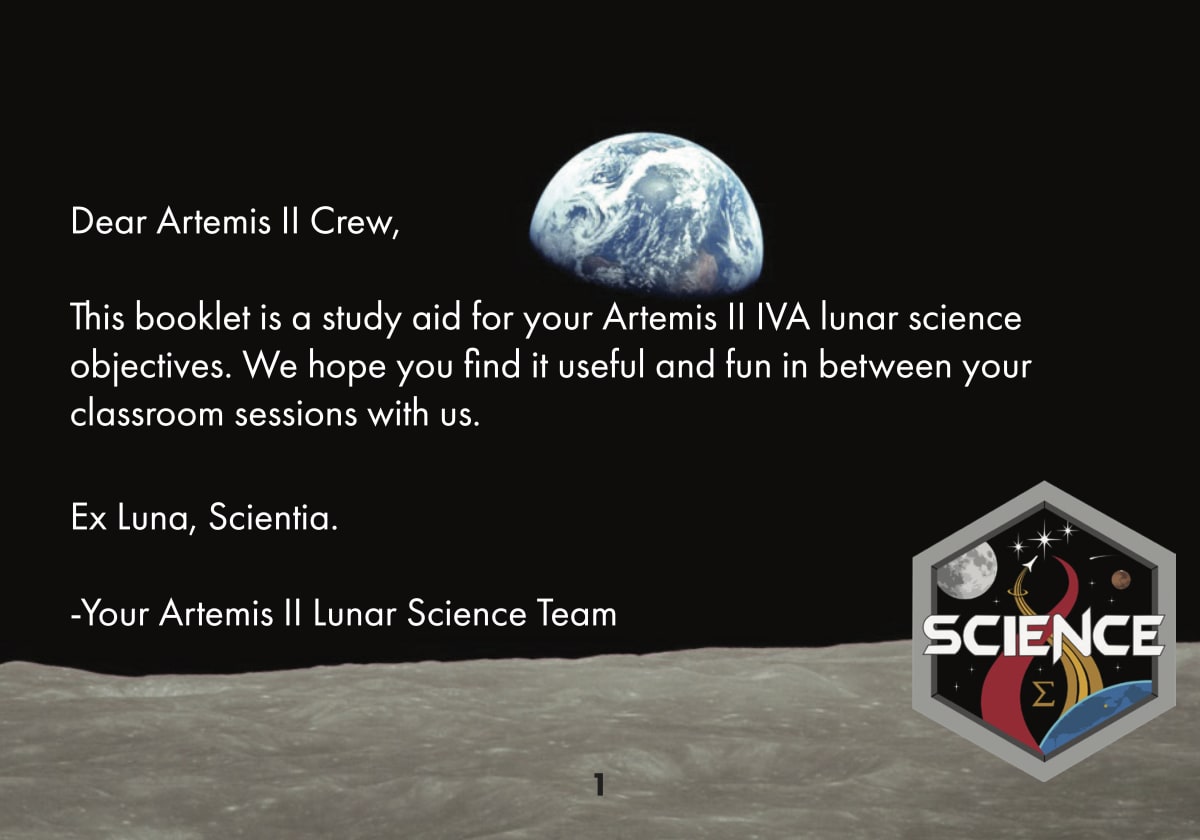
Jacob Richardson and Amber Turner, planetary scientists at NASA's Goddard Spaceflight Center, spent months teaching the four astronauts how to observe the moon like geologists. They created a 90-page pocket guide called the Lunar Science Passport, packed with the mission's top 15 geological targets.
During training, the astronauts kept questioning why scientists wanted them to describe colors. "We're probably not going to see color," the crew would say. The scientists insisted anyway, knowing that color reveals what materials make up the lunar surface.
Then the astronauts reached the moon. "They were surprised about how colorful the moon was," Richardson said.
Astronaut Victor Glover radioed mission control describing "browns and greens" across Aristarchus Plateau, a volcanic region Richardson calls "a volcanic wonderland." The colors shifted and disappeared toward the north pole, painting a dynamic picture no robotic camera had captured quite the same way.
The crew compared features across the entire moon in mere moments, something orbiting robots need days or weeks to accomplish. Their verbal observations came back to Earth before any photos, giving scientists immediate insights into lunar geology.
Why This Inspires
This mission proves that human observation still matters in our age of advanced technology. The astronauts saw textures, colors, and details that spectrometers and cameras alone couldn't fully capture. Their trained eyes brought the moon to life in ways data alone never could.
Turner called listening to the crew's real-time observations "pure moon joy." Richardson described it as phenomenal, hearing astronauts describe familiar places in completely new light.
The colorful moon they witnessed tells scientists stories about volcanic history, ancient impacts, and geological processes stretching back billions of years. Every shade of brown, every hint of green reveals clues about what shaped our nearest neighbor.
These observations are already helping NASA plan future Artemis missions, including the upcoming lunar landing. The crew's descriptions will guide where astronauts should explore on foot and what samples they should collect.
Fifty-three years after the last Apollo mission circled the moon, humans are seeing it with fresh eyes and finding surprises waiting in plain sight.
More Images
Based on reporting by Space.com
This story was written by BrightWire based on verified news reports.
Spread the positivity!
Share this good news with someone who needs it