Artemis II Astronauts Help NASA Crack Moon Mission Mysteries
The four astronauts who just circled the Moon are now helping scientists understand how humans can safely live and work in deep space. Their post-landing health data is already revealing how quickly our bodies can adapt to different gravity levels.
Four astronauts just gave NASA a gift that could change the future of space exploration: their own bodies as research subjects.
Since splashing down in the Pacific Ocean on April 10 after circling the Moon, the Artemis II crew has been busy helping scientists answer a crucial question. How quickly can astronauts perform critical tasks after landing on the Moon or Mars, where there won't be a support team waiting to help?
NASA astronauts Reid Wiseman, Victor Glover, Christina Koch, and Canadian astronaut Jeremy Hansen started their post-flight research within hours of returning to Earth. They completed obstacle courses, climbed rope ladders, and donated blood samples while researchers carefully tracked how their bodies readjusted to gravity.
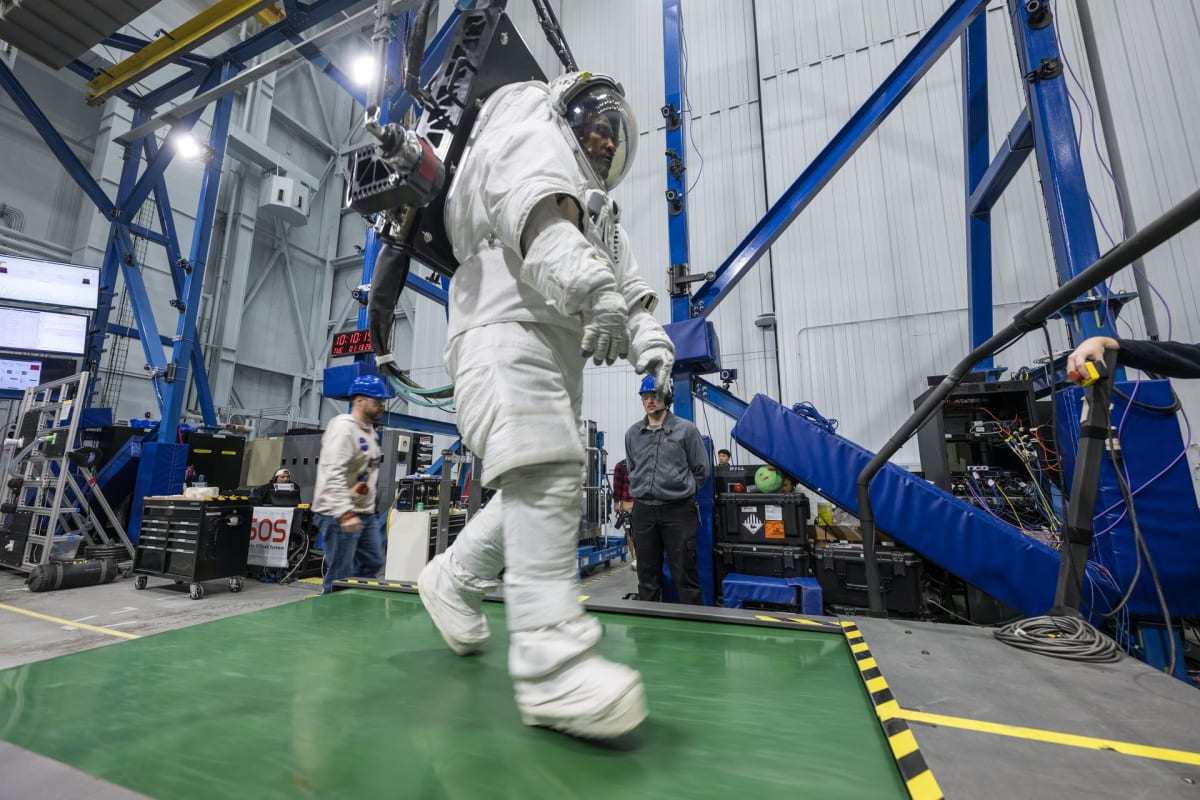
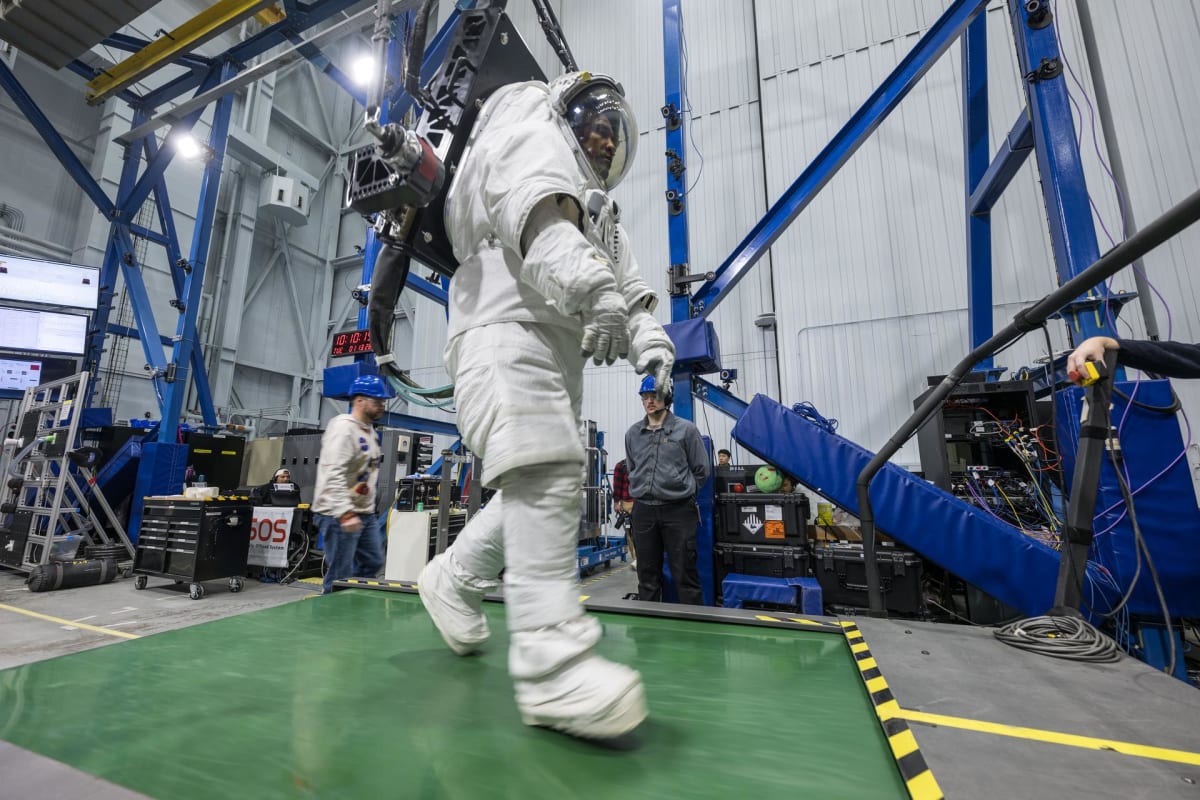
Within days, the crew suited up again to walk on treadmills adjusted to lunar gravity, which is about one-sixth of Earth's pull. This data will help NASA predict how future astronauts will perform when they actually step onto the Moon's surface.
The research goes deeper than just physical performance. Scientists are studying blood and saliva samples to understand how dormant viruses behave in space and whether the immune system changes during deep space missions.
Perhaps most fascinating is the AVATAR experiment, where tiny organ chips containing cells from each astronaut flew to the Moon alongside them. These chips are now being analyzed in Boston to reveal how deep space radiation and zero gravity affect human tissue at the molecular level.
The results could eventually allow NASA to send personalized organ chips on future missions ahead of astronauts. Scientists could then create custom medical kits tailored to each crew member's specific needs before they even leave Earth.
The Ripple Effect
This data collection represents more than just health monitoring for four astronauts. Every measurement, every obstacle course completion, and every cell sample is building a blueprint for humanity's future in space.
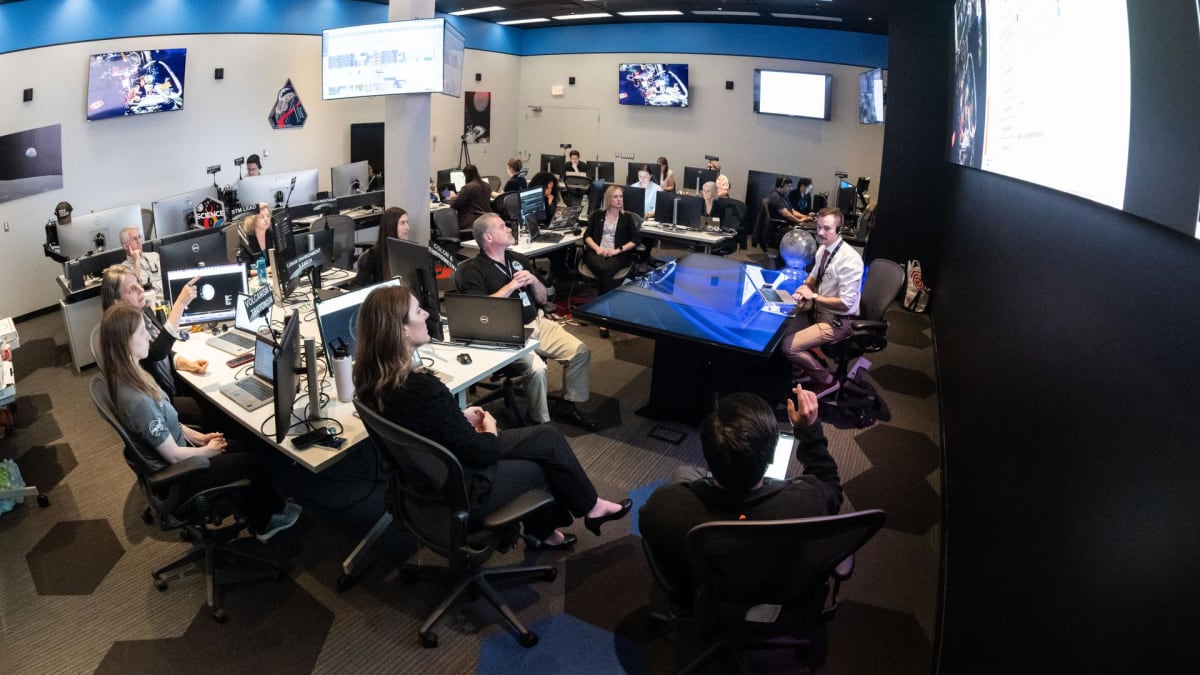
The information will be anonymized and shared with scientists worldwide through NASA's Life Sciences Data Archive. Researchers everywhere will be able to study how spaceflight affects the human body and develop new technologies to protect future crews.
As NASA builds toward a permanent Moon base and eventual Mars missions, understanding how quickly astronauts can adapt to different gravity environments becomes essential. Future crews may need to perform emergency repairs or critical experiments immediately after landing, with no time to recover from the journey.
The Artemis II crew's willingness to undergo extensive testing in the weeks following their historic flight means future astronauts will be better prepared, safer, and more capable of completing their missions.
Their 45 days of intensive post-flight research just wrapped up, but NASA's medical teams will continue monitoring their health for life. Every data point brings us one step closer to making humanity a truly spacefaring species.
More Images
Based on reporting by Google News - Science
This story was written by BrightWire based on verified news reports.
Spread the positivity!
Share this good news with someone who needs it