Artemis II Astronauts Return After Farthest Moon Trip Ever
Four astronauts just splashed down safely after traveling farther from Earth than any human in history, completing a historic 10-day journey around the moon. NASA's Artemis II mission marks humanity's return to deep space exploration after more than 50 years. #
Four astronauts made history Friday night, returning home after venturing farther from Earth than any human has ever traveled.
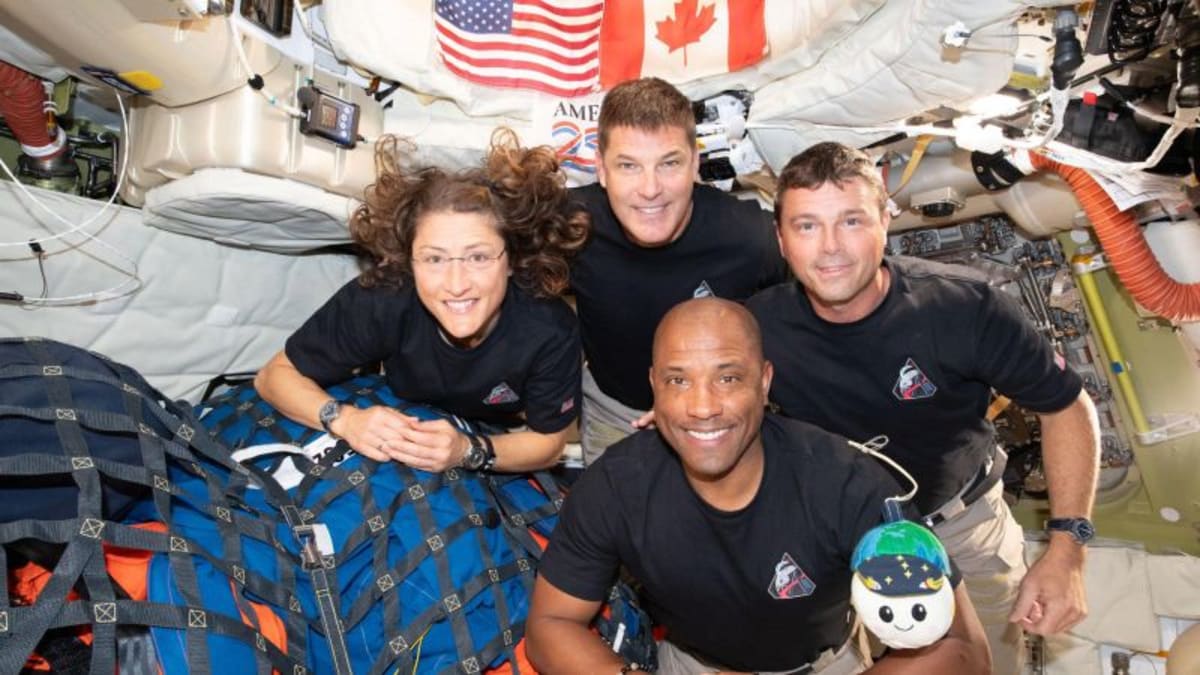
NASA astronauts Reid Wiseman, Victor Glover, Christina Koch, and Canadian Space Agency astronaut Jeremy Hansen splashed down off San Diego's coast at 8:07 p.m. ET, concluding their groundbreaking Artemis II mission. Their Orion capsule traveled an astounding 700,237 miles over 10 days, reaching speeds of 24,664 miles per hour.
"What a journey. We are stable. Four green crewmembers," Commander Wiseman radioed as they bobbed in the Pacific Ocean, signaling all four astronauts were in excellent shape. Mission Control in Houston erupted in cheers as recovery crews retrieved them from the capsule.
The precision was remarkable. The capsule landed within less than a mile of its target after hurtling through space at nearly 25,000 miles per hour. The flight path angle hit its target within just 0.4% accuracy.
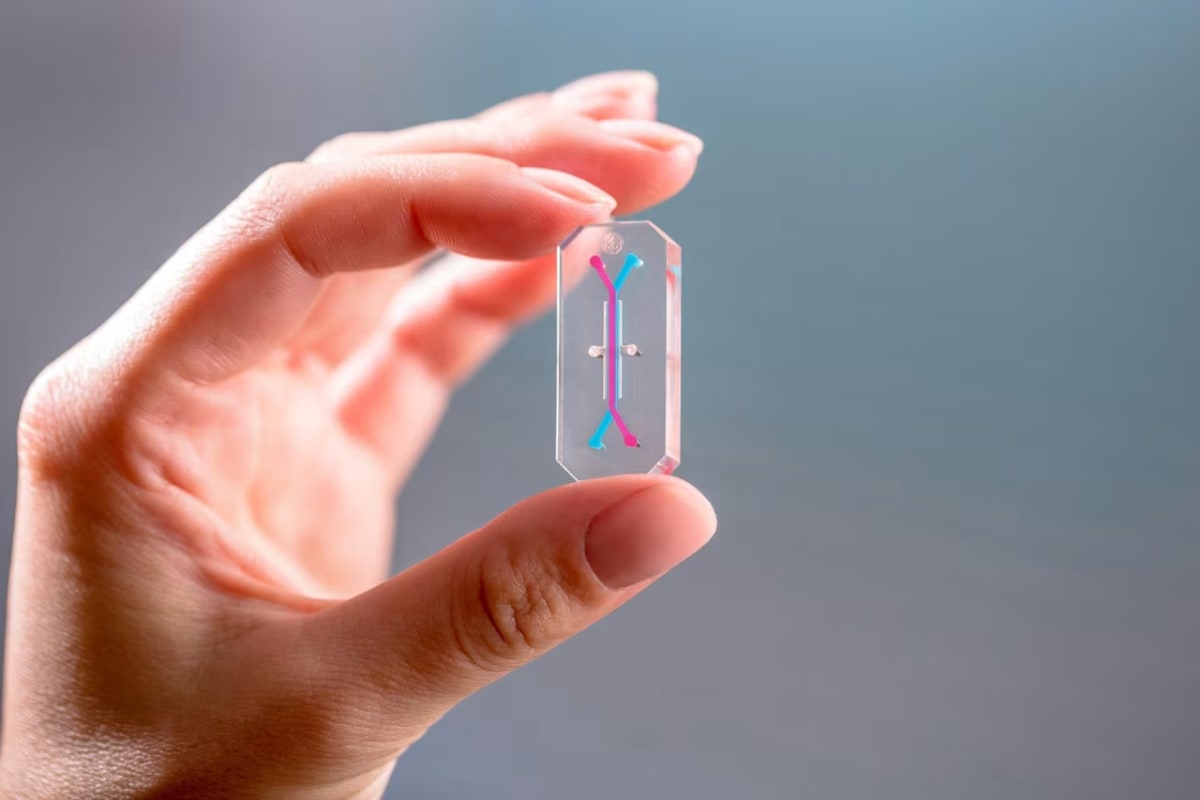
But perhaps the most exciting part of this mission wasn't visible to cameras. Tiny "avatars" of each astronaut rode along with them, made from their own bone marrow cells. These organ chips will help scientists understand how deep space affects the human body, paving the way for safer future missions to Mars and beyond.
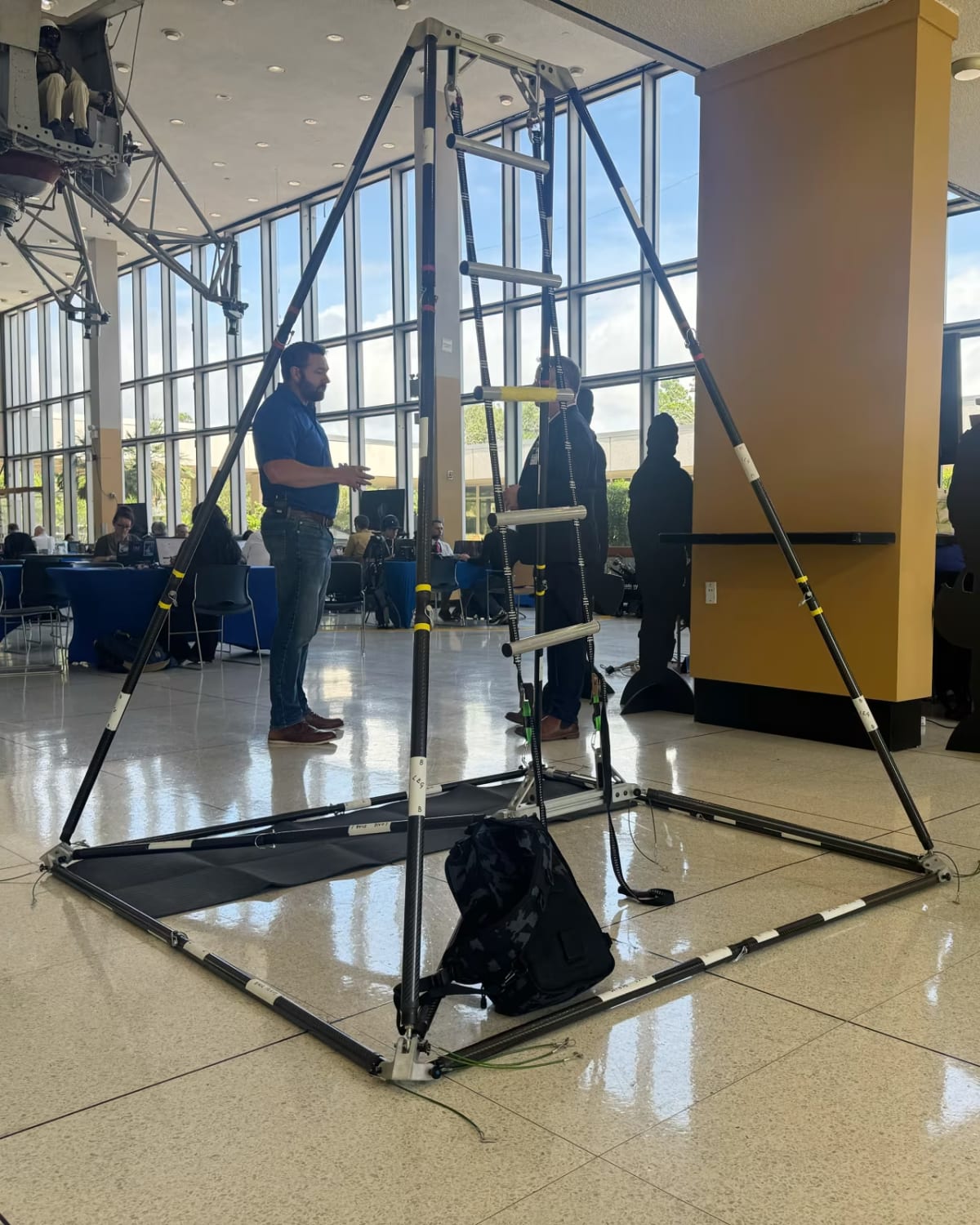
The crew brought back invaluable data from their journey. Within hours of splashdown, they completed an obstacle course that included climbing a ladder, testing their ability to handle emergencies immediately after returning to gravity. Despite 10 days in weightlessness, early reports suggest they handled the transition remarkably well.
The Ripple Effect
This mission represents more than just breaking distance records. It's the foundation for humanity's return to the moon and eventual journey to Mars. The health data collected, the systems tested, and the international cooperation demonstrated all create stepping stones for future explorers.
The organ chip experiment alone could revolutionize how we protect astronauts on long missions. By studying what happens to human tissue in deep space, scientists can develop better countermeasures for radiation exposure and microgravity effects.
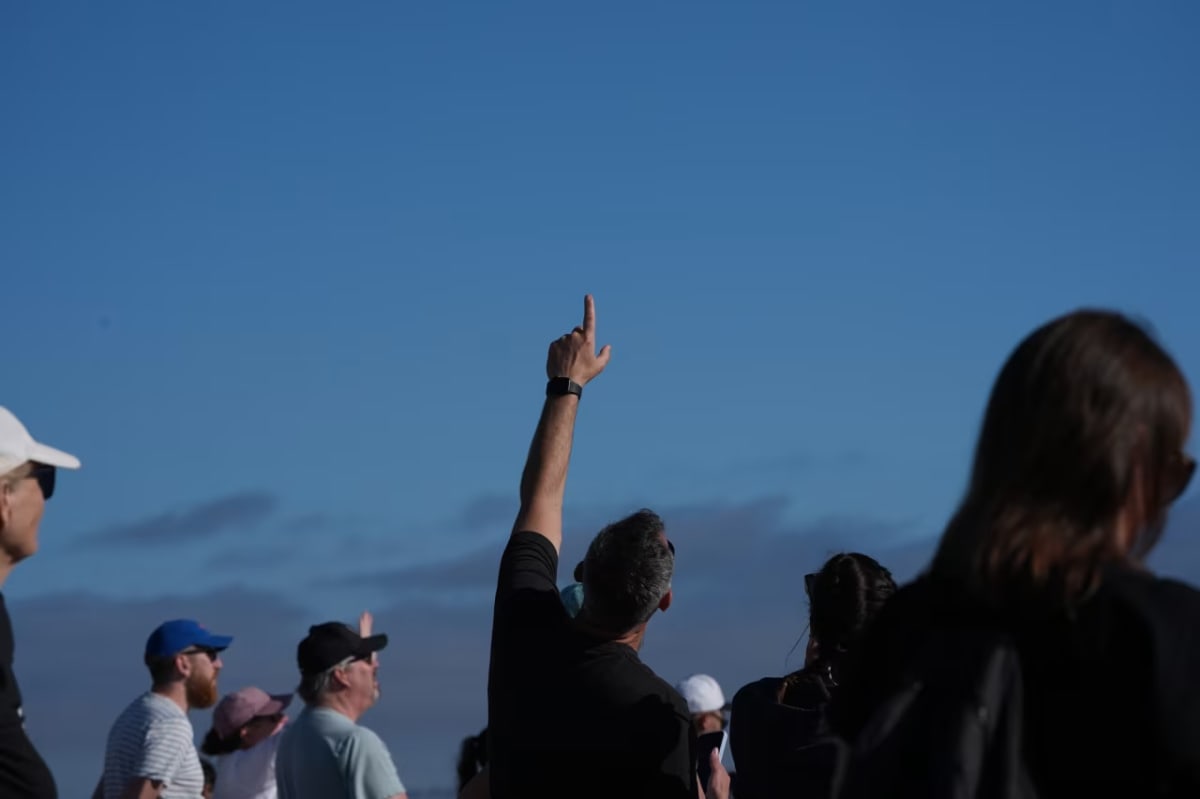
Across California, watch parties erupted in celebration as the capsule's parachutes deployed. Young children cheered alongside space enthusiasts at the San Diego Air and Space Museum, witnessing history being made in their own backyard.
Recovery director Liliana Villarreal reported that even before the hatch opened, the crew was taking selfies with the medical team inside the capsule, clearly thrilled to be home. When they stepped onto the recovery ship's platform, their excitement was contagious.
This successful mission clears the path for Artemis III, which will land astronauts on the lunar surface for the first time since 1972, including the first woman and first person of color to walk on the moon.
Four pioneers just showed us that the age of deep space exploration isn't coming—it's already here.
#
More Images

Based on reporting by Google News - Science
This story was written by BrightWire based on verified news reports.
Spread the positivity!
Share this good news with someone who needs it