Artemis II Crew Hours From Historic Moon Flyby
Four astronauts aboard Artemis II are about to see something no human has ever witnessed: the far side of the moon up close. Despite a toilet malfunction, spirits remain high as they prepare to become the humans who have traveled farthest from Earth.
Right now, four astronauts are closer to the far side of the moon than any humans in history, and they're sharing breathtaking photos of views nobody has ever seen with their own eyes.
The Artemis II crew reached the moon's sphere of influence on Sunday, where lunar gravity became stronger than Earth's pull. On Monday, April 6 at 2:45 pm EDT, they'll begin a six-hour flyby just 4,350 miles above the lunar far side, a region even Apollo astronauts never got close enough to see directly.
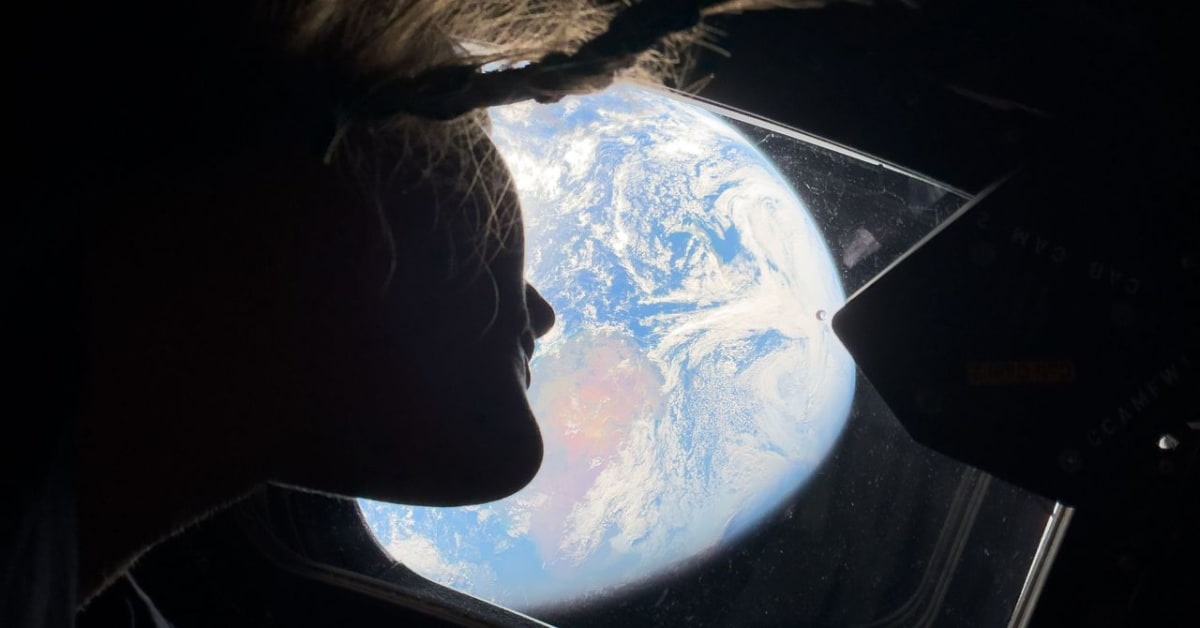
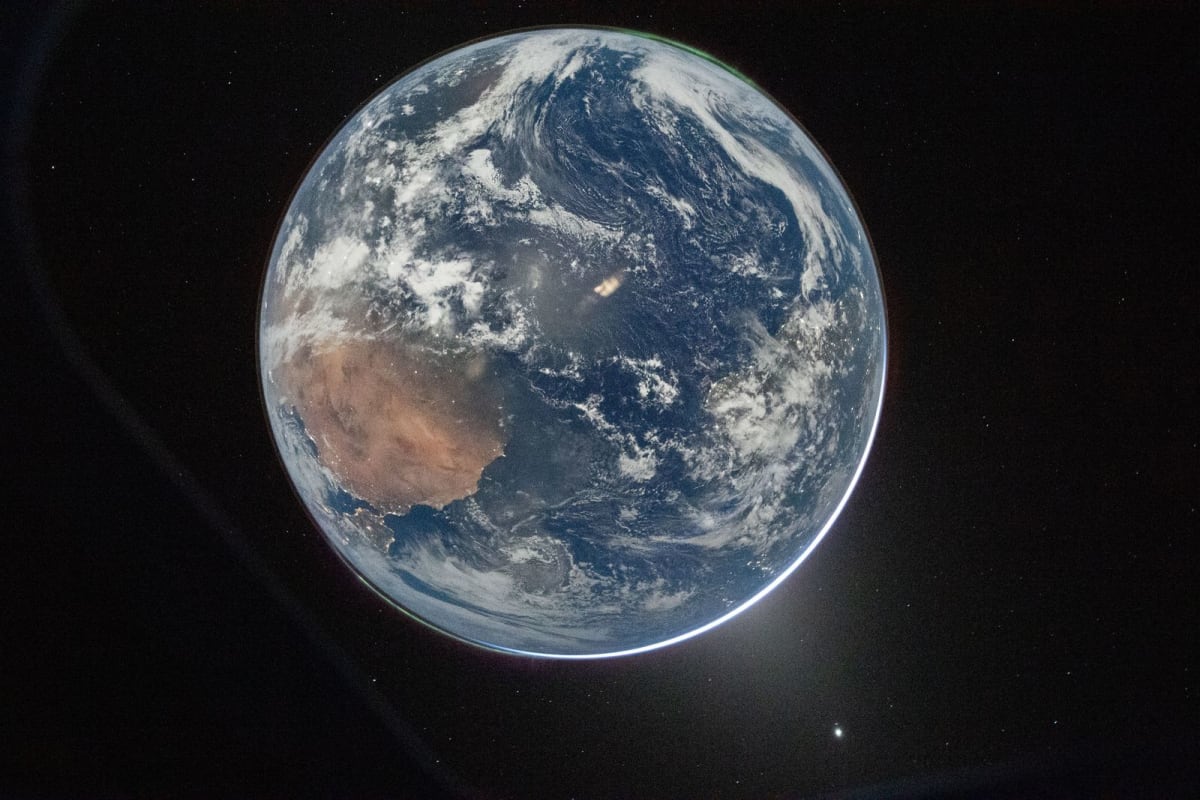
Commander Reid Wiseman, pilot Victor Glover, mission specialists Christina Koch and Jeremy Hansen have been capturing stunning images since their April 1 launch from Kennedy Space Center. Koch photographed Earth through Orion's main cabin window, while Wiseman's shot of our blue planet went viral, echoing the famous "Blue Marble" photo from 1972.
On April 3, the crew photographed the Orientale basin, a massive crater on the moon's edge that no human eye had ever seen until that moment. "It's very unique and no human eye had ever seen this crater until today, when we had the privilege of seeing it," Koch said during a Canadian Space Agency conference.
The mission isn't just about sightseeing. The crew is testing every system needed for future lunar landings, from life support to navigation to spacesuits, validating technology that will eventually take humans back to the moon's surface on Artemis IV.
During their far side flyby, the astronauts will lose contact with Earth for six hours as the moon blocks all communications. After that, they'll use lunar gravity like a slingshot to propel themselves home, splashing down in the Pacific Ocean near California on April 10.
Why This Inspires
Commander Wiseman captured the emotional weight of this journey after speaking with his daughters from space. "We're up here, so far away, and for an instant, I was reunited with my little family," he said during a live broadcast. "It was, quite simply, the best moment of my life."
The mission has had its challenges. The spacecraft's toilet malfunctioned twice, likely from ice blocking a pipe, forcing the crew to limit use while engineers troubleshoot. But the astronauts handled it with grace, maintaining what Wiseman calls "a very positive mood on board."
The trajectory remains precise, requiring no major adjustments. Ground control in Houston stays in constant communication, receiving both technical data and philosophical reflections from the crew as they make history.
After the flyby, these four astronauts will hold the record for traveling farther from Earth than anyone ever has, proving that humanity's reach continues to extend beyond our blue marble home.
More Images



Based on reporting by Wired
This story was written by BrightWire based on verified news reports.
Spread the positivity!
Share this good news with someone who needs it