Artemis II Crew Returns After Historic Moon Mission
Four astronauts are about to complete humanity's deepest space journey in over 50 years, bringing home crucial data for future Moon bases and Mars missions. NASA teams are focused on safely landing the crew off San Diego's coast Friday after their groundbreaking voyage around the Moon.
Four astronauts are coming home from the farthest humans have traveled into space in half a century, and their safe return Friday marks a giant leap toward humanity's next frontier.
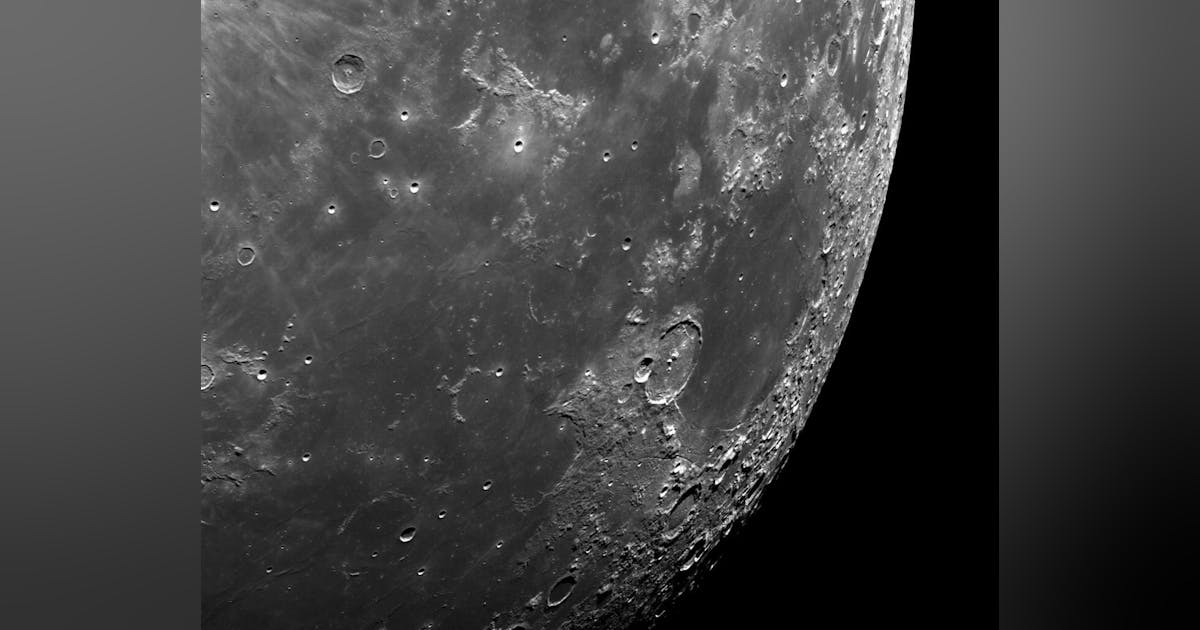
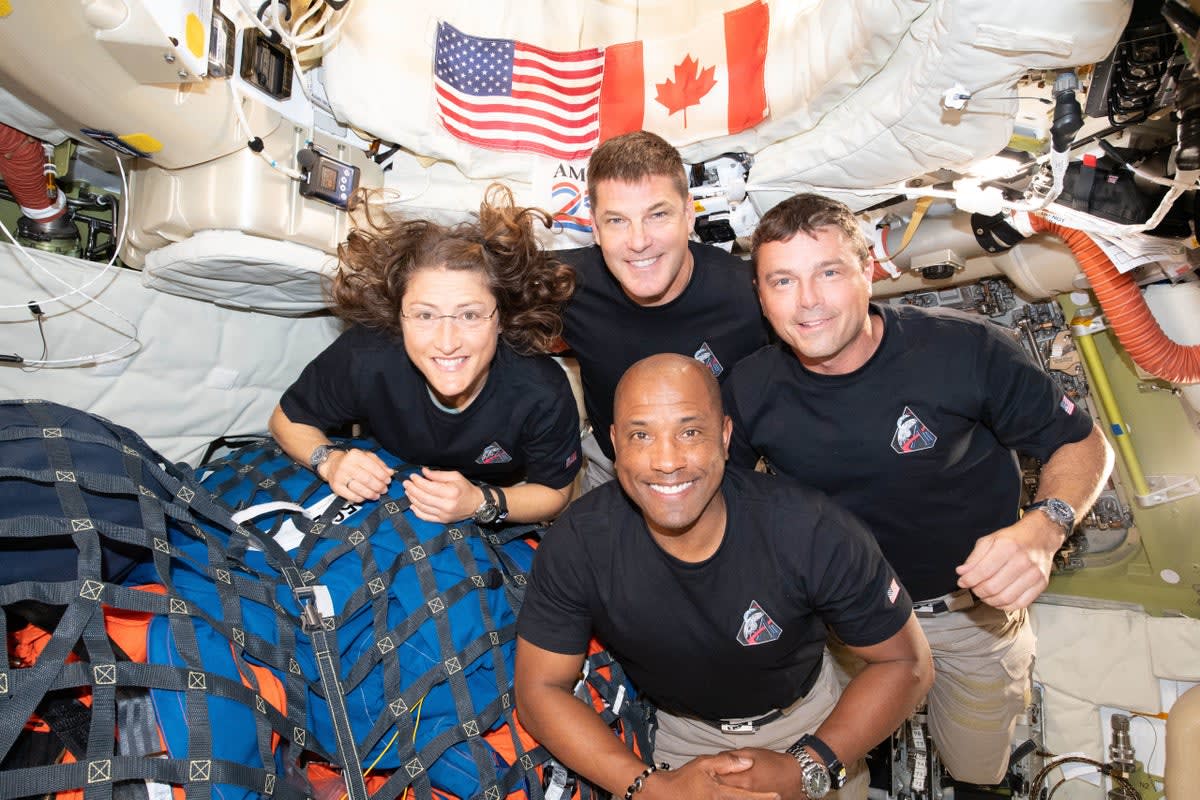
The Artemis II crew, three Americans and one Canadian, successfully completed their test flight around the Moon and are preparing to splash down in the Pacific Ocean off San Diego. It's the first lunar mission since Apollo 17 touched down in 1972.
"When a mission goes well, it can look like flying to the Moon is easy. It certainly is not," said Lakiesha Hawkins, NASA's acting deputy associate administrator for exploration systems development. Her team remains laser focused on bringing the crew home safely.
The journey isn't just about reaching the Moon. Scientists aboard the Orion capsule gathered unprecedented data about how deep space affects the human body, information NASA never collected during the original Apollo missions.
This health data will prove crucial for longer stays on the lunar surface and eventual trips to Mars. "We can't get this information during low Earth orbit missions," Hawkins explained, highlighting why this mission matters so much for future exploration.
The Goonhilly Earth Station in Cornwall, England, helped track the historic voyage, connecting international teams in a shared mission of discovery. Meanwhile, the USS John P. Murtha is sailing toward the splashdown site to meet the returning heroes.
The final moments will be intense. Once the capsule hits Earth's atmosphere, the crew has just 13 minutes until ocean landing. "It's very dynamic. There's not a lot of time to react," said mission flight director Rick Henfling.
The Ripple Effect
This test flight retired major risks and answered critical questions that will inform every mission moving forward. NASA plans to land astronauts on the lunar surface by 2028, establishing a permanent Moon base before sending the first humans to Mars.
The data gathered during these days in deep space will help future crews live and work on the Moon for extended periods. Every experiment, every measurement, every observation brings humanity closer to becoming a multiplanetary species.
Countless hours from teams working behind the scenes made these historic moments possible, proving what humans can achieve when we aim for the stars together.
Based on reporting by Google: space mission success
This story was written by BrightWire based on verified news reports.
Spread the positivity!
Share this good news with someone who needs it