SpaceX's Starship V3 Deploys Satellites, Splashes Down
SpaceX just proved its massive Starship rocket can launch satellites and return to Earth safely, bringing reusable space travel closer to reality. Despite a few engine hiccups, the test flight hit every major goal, lighting up possibilities for moon missions and Mars exploration.
The world's largest rocket just passed a crucial test that could reshape how we travel to space.
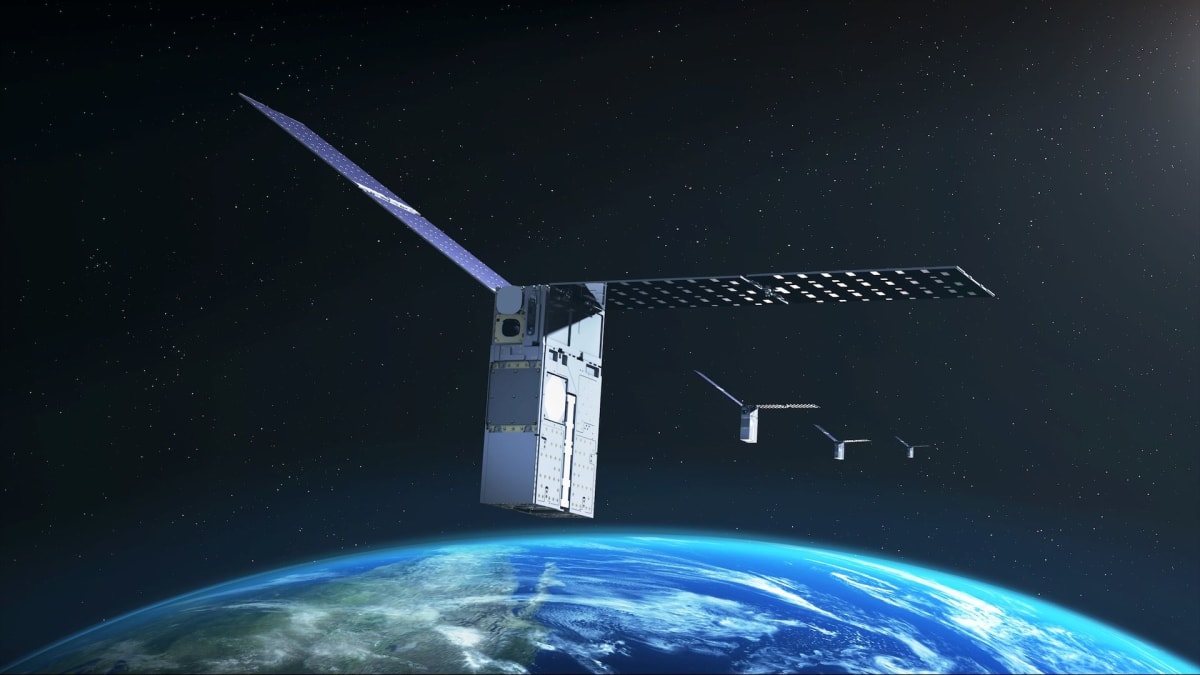
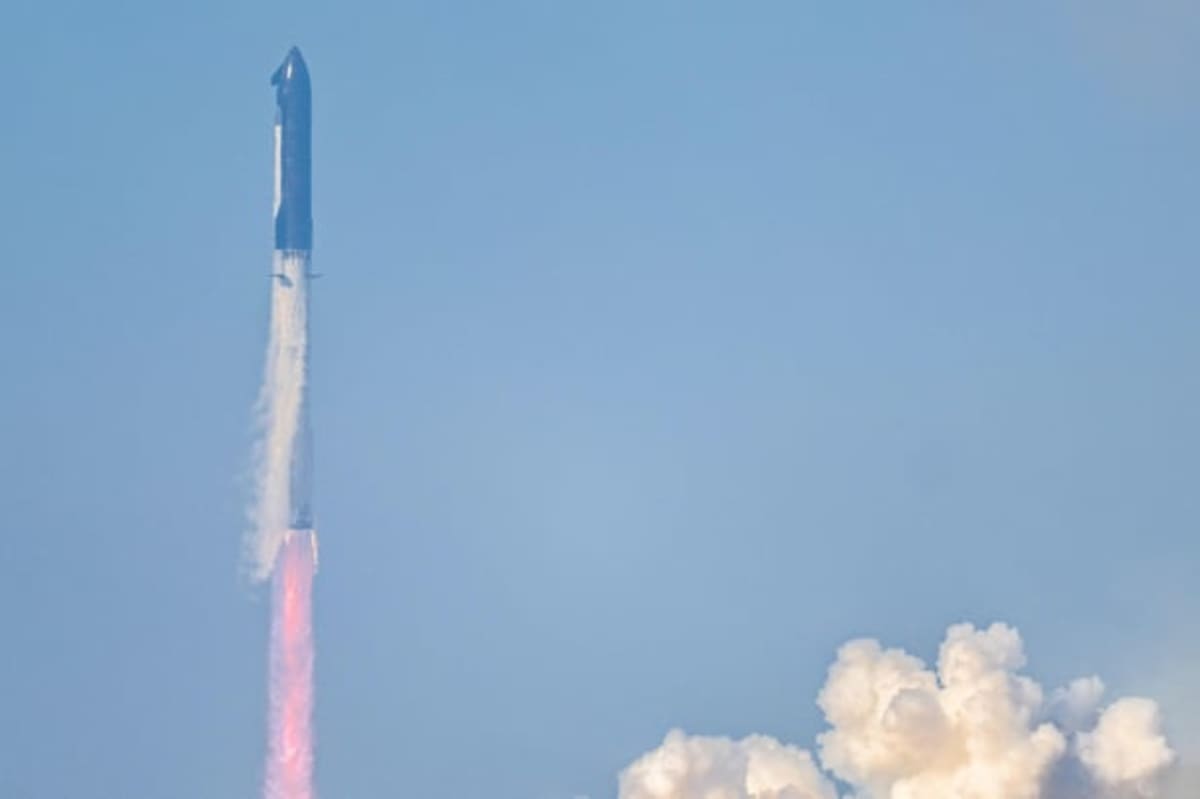
SpaceX launched its upgraded Starship V3 on May 22nd from Texas, sending the 124-meter-tall rocket into space to deploy 20 next-generation Starlink satellites. After an hour in flight, the spacecraft splashed down right on target in the Indian Ocean.
The test wasn't flawless. One of the 33 engines on the Super Heavy booster failed after launch, and another engine malfunctioned during the spacecraft's descent. But neither issue stopped Starship from achieving its mission, proving the rocket's resilience when things don't go perfectly.
This successful flight came at a critical time for SpaceX, which plans to go public next month. Investors have been watching closely because Starship represents the company's boldest bet on the future of space travel.
Elon Musk's goal is to make Starship fully reusable, meaning both the booster and the upper spacecraft can be recovered, refurbished, and launched again. SpaceX already reuses the first-stage booster, but recovering the upper spacecraft would be a game-changer. Reusable rockets could dramatically slash the cost of sending cargo to the Moon, Mars, and beyond.
NASA is paying close attention too. The space agency has been planning to use a modified Starship as a crewed lunar lander as early as 2028, but development delays had officials considering Jeff Bezos' Blue Origin as a backup option. This successful test suggests Starship is back on track to carry astronauts to the moon's surface.
The Ripple Effect
Beyond SpaceX's business ambitions, Starship's success could transform what humanity can accomplish in space. Lower launch costs mean more frequent missions, more scientific research, and faster progress toward establishing a permanent presence on other worlds.
Universities, private companies, and international space agencies that couldn't afford their own missions might soon send experiments and equipment to space at a fraction of today's prices. The technology being proven today could enable the construction of larger space stations, deeper exploration of our solar system, and eventually human settlements beyond Earth.
Even with engine troubles along the way, Starship proved it can do what it was designed for: carry heavy loads to space and come home safely.
One test flight at a time, the impossible is becoming routine.
More Images


Based on reporting by Google: SpaceX launch success
This story was written by BrightWire based on verified news reports.
Spread the positivity!
Share this good news with someone who needs it