Webb Telescope Reveals Stars Hidden in Galaxy's Heart
NASA's James Webb Space Telescope just captured stunning images of Centaurus A galaxy that earlier telescopes couldn't see, peering through cosmic dust to reveal thousands of individual stars around a supermassive black hole. The breakthrough marks four years of the most powerful space telescope ever built exceeding every expectation.
For the first time, scientists can see straight into the dusty heart of one of our nearest active galaxies, star by star.
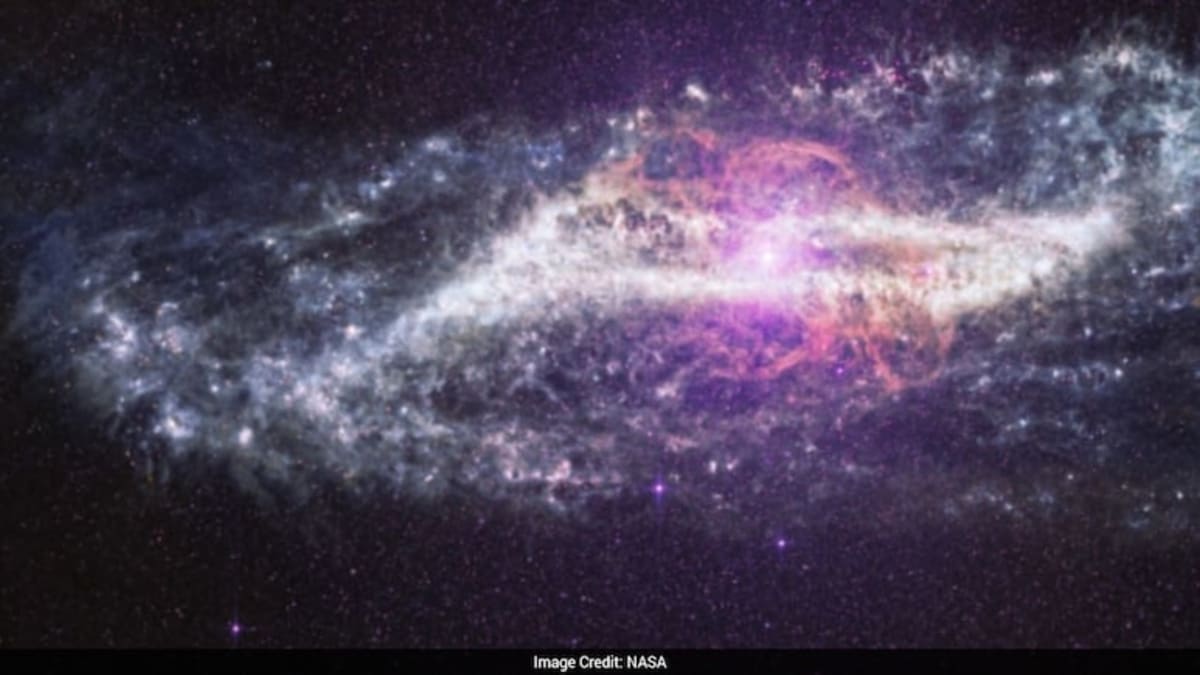
NASA's James Webb Space Telescope just released anniversary images of Centaurus A, a galaxy 11 million light-years from Earth. The new photos reveal thousands of individual stars clustered around the galaxy's central supermassive black hole, a view that was completely hidden from previous telescopes.
The Hubble Space Telescope tried to photograph this region for years but couldn't penetrate the thick dust clouds blocking the galaxy's core. Even NASA's Spitzer telescope, which used infrared light, could only show blurry large-scale structures. Webb's advanced infrared vision cuts through all that cosmic fog like a lighthouse beam through morning mist.
What makes this galaxy particularly fascinating is its turbulent history. About two billion years ago, Centaurus A crashed into another galaxy in a cosmic collision. The effects of that dramatic merger are still visible today in the galaxy's unusual structure and active star formation.
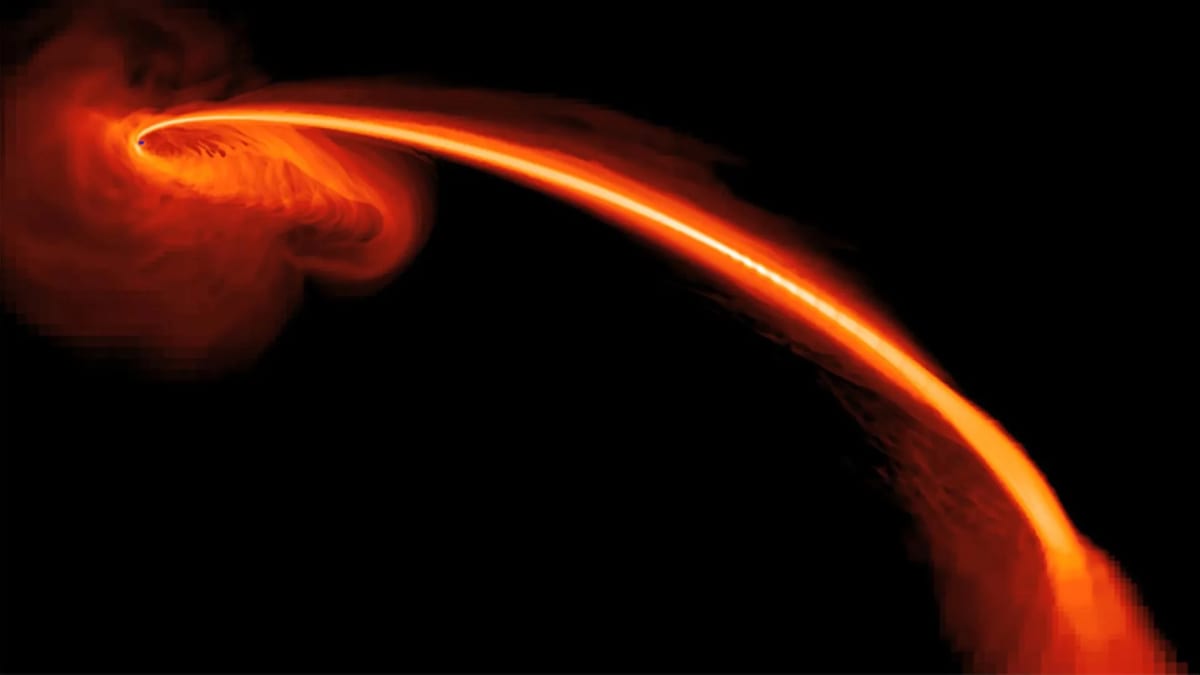
At the center sits a supermassive black hole actively feeding on surrounding material. As it consumes gas and dust, it shoots out powerful jets and releases enormous amounts of energy that reshape the entire galaxy around it. Scientists study galaxies like this one to understand how black holes and their host galaxies grow and evolve together.
Webb's mid-infrared observations revealed surprising details that have astronomers puzzled and excited. A warped, parallelogram-shaped band of dust stretches across the galaxy's center. Wisps of glowing material extend outward in detailed shapes that no one expected to see.
The Ripple Effect
This breakthrough demonstrates how space exploration builds progress over generations. Hubble mapped what it could see in visible light. Spitzer added infrared context. Now Webb combines both capabilities with unprecedented clarity, answering questions the earlier missions raised while sparking entirely new ones.
The telescope's performance over its first four years has exceeded every benchmark scientists set. Each new image expands our understanding of how the universe works, from star birth in distant galaxies to the dance between black holes and the cosmic structures they inhabit.
Shawn Domagal-Goldman from NASA Headquarters captured it perfectly: no single telescope tells the whole story. Discoveries build over time, and new observatories expand on the work of earlier missions. Webb isn't replacing what came before; it's helping us see the next chapter.
These images of Centaurus A prove we're living in a golden age of cosmic discovery, where the universe reveals its secrets one stunning photograph at a time.
More Images


Based on reporting by Google: James Webb telescope
This story was written by BrightWire based on verified news reports.
Spread the positivity!
Share this good news with someone who needs it