Webb Telescope Sees Through Dust to Galaxy's Hidden Heart
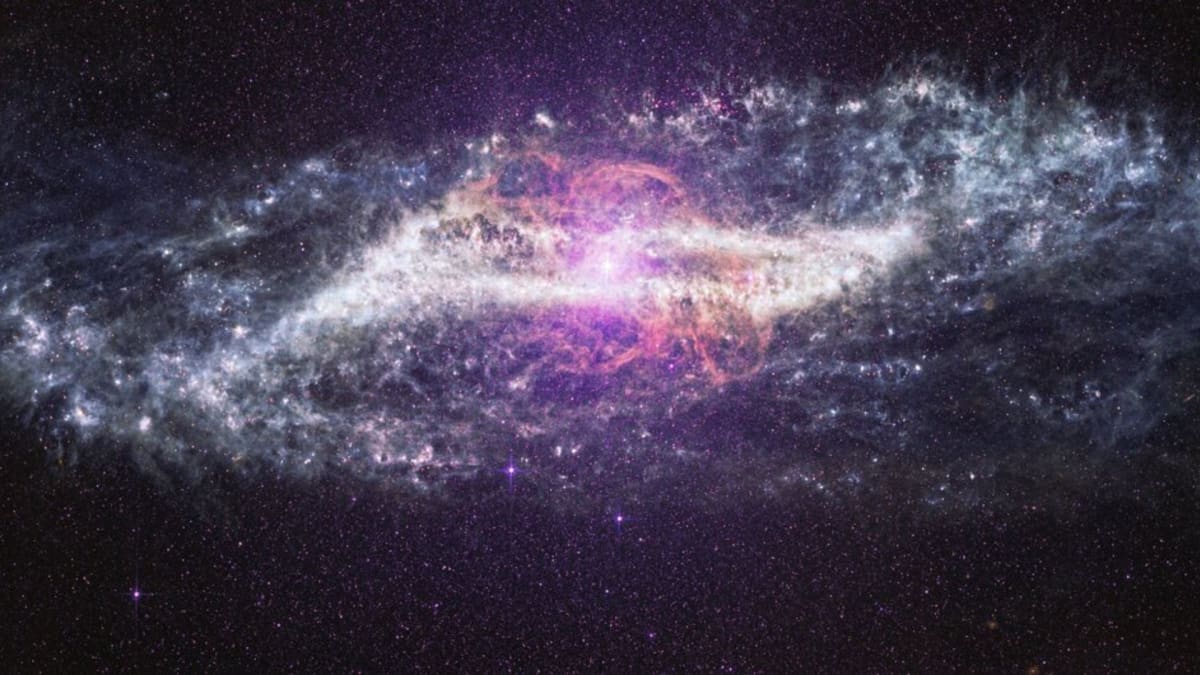
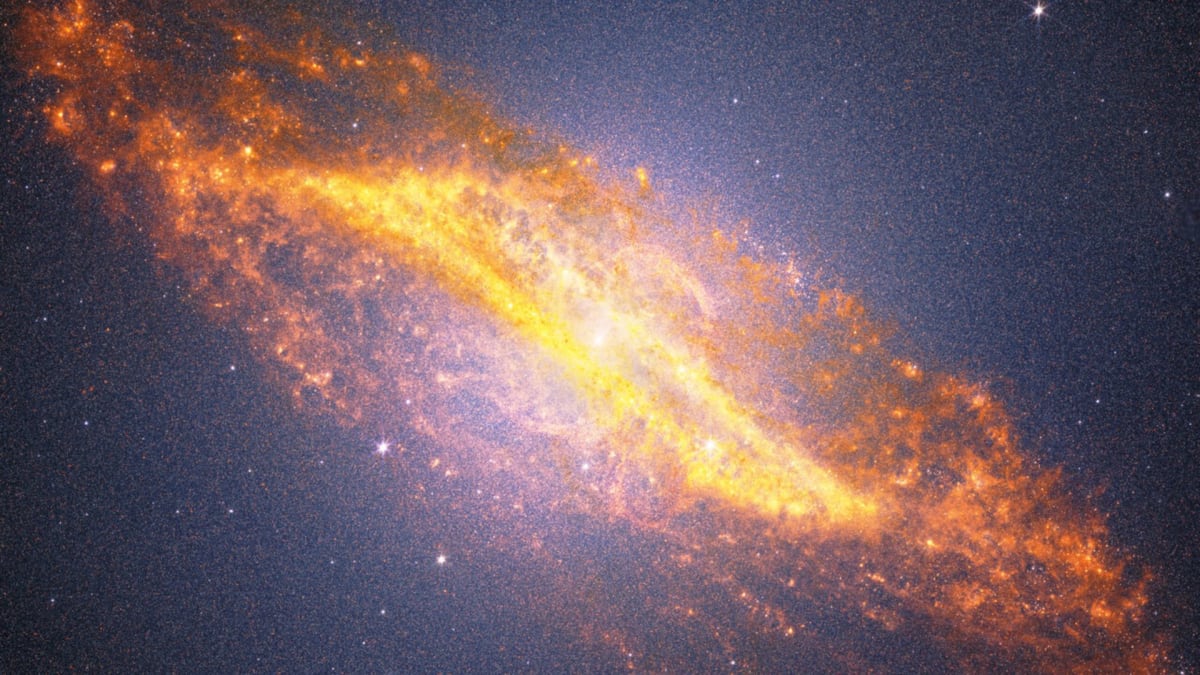
The James Webb Space Telescope just revealed what's been hiding inside Centaurus A, a galaxy 11 million light-years away that Hubble couldn't penetrate. For the first time, scientists can see individual stars, swirling gas clouds, and a hungry black hole shaping this cosmic neighbor.
Scientists just got their clearest look yet inside a nearby galaxy that's been shrouded in mystery for decades. The James Webb Space Telescope pierced through thick dust clouds in Centaurus A to reveal secrets that have been hidden from view since astronomers first studied this cosmic wonder.
Centaurus A sits just 11 million light-years from Earth, practically next door in galactic terms. But a massive lane of dark dust running through its center blocked the Hubble Space Telescope from seeing what was happening inside.
Webb's infrared vision changed everything. Unlike visible light, infrared cuts straight through cosmic dust like fog lights on a misty road, revealing what's been there all along.
The new images show individual stars scattered throughout the galaxy, each one a clue to understanding Centaurus A's violent past. This galaxy collided with another one long ago, and the evidence is written in the stars themselves.
Astronomers discovered two unusual star-forming regions packed with dusty young stars. These stellar nurseries contain the raw materials for building new planets and stars, proof that even after cosmic catastrophe, creation continues.
The Ripple Effect
The breakthrough extends beyond pretty pictures. Scientists can now study how the supermassive black hole at Centaurus A's center influences everything around it.
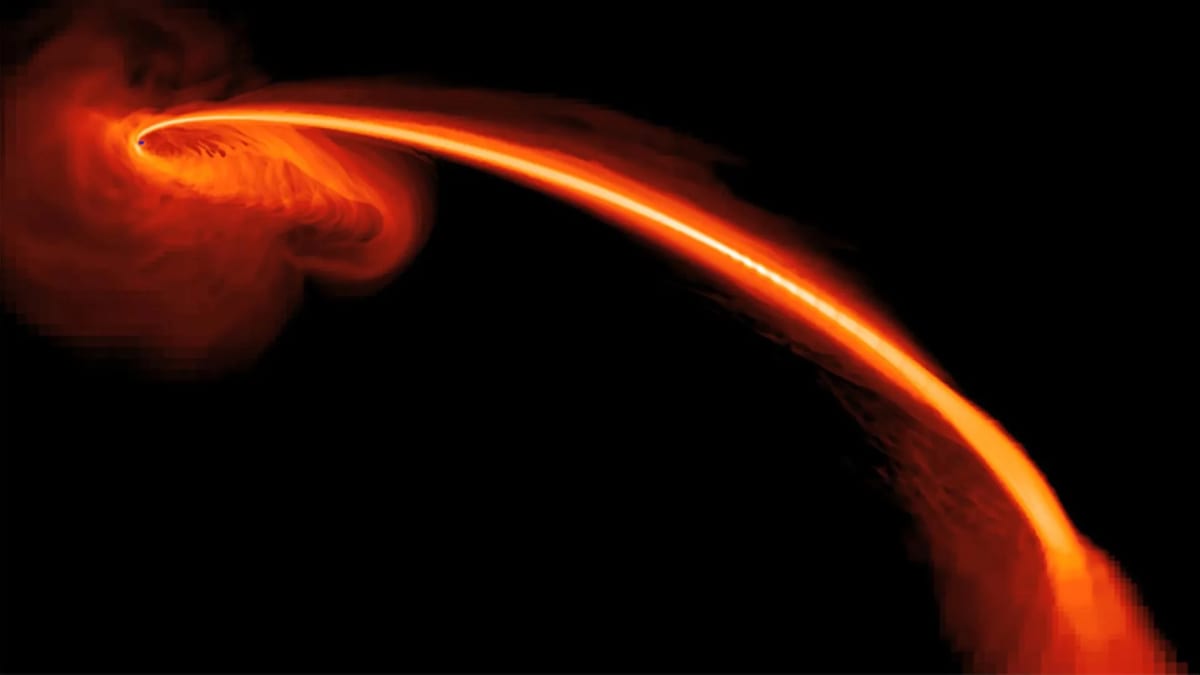
They've spotted fast-moving gas whipped up by the black hole's intense gravity. Warm gas clouds swirl in a disk around this cosmic giant, which actively feeds on surrounding material.
By examining individual stars, researchers can piece together when different generations formed. Some stars were born during the ancient collision, while others tell stories of quieter times in the galaxy's 13-billion-year history.
This detailed view helps scientists understand how galaxies evolve after major mergers. The patterns they're seeing in Centaurus A reveal universal processes that shape galaxies across the cosmos, including our own Milky Way.
Webb's ability to see through obstacles is opening new chapters in astronomy. What was once hidden is now an open book, ready to teach us about the forces that build and shape the universe.
More Images
Based on reporting by Google: James Webb telescope
This story was written by BrightWire based on verified news reports.
Spread the positivity!
Share this good news with someone who needs it